
Picking
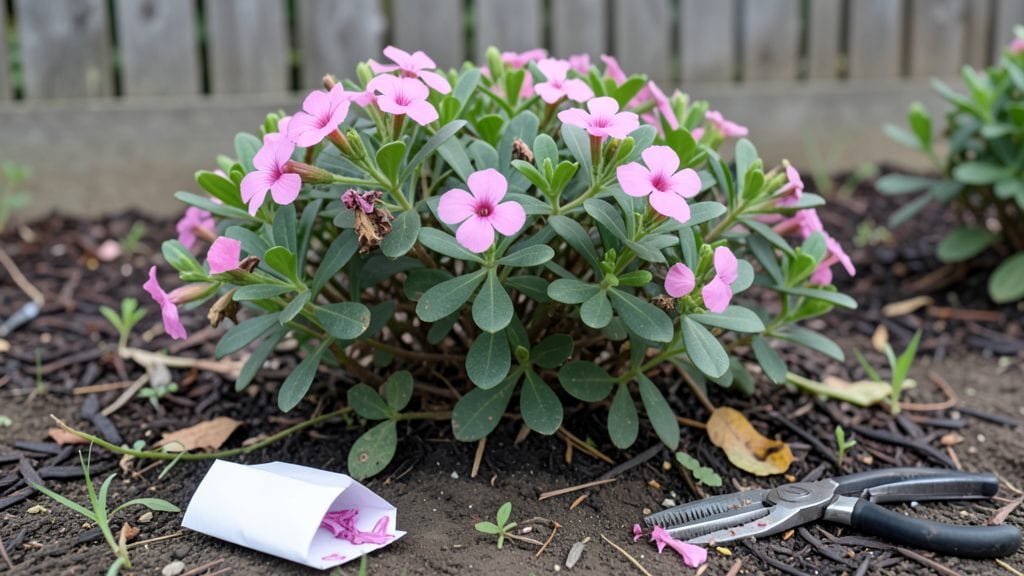
Harvesting vinca seeds at the right moment means next year’s blooms could be even more spectacular than this year’s. 🌿 I’ve learned the hard way that waiting too long turns those plump seed pods into dried husks—so timing is everything.
The key is watching for those pods to turn from green to a papery brown, which usually happens in late summer or early fall, depending on your climate.
You’ll need just a few simple supplies: sharp scissors or pruners, a paper bag for drying, and a cool, dry spot to store them.
The process itself is straightforward—snip the pods when they’re fully brown and slightly crispy to the touch, then let them finish drying indoors for a few days before removing the tiny black seeds inside. This step prevents premature germination and keeps your seeds viable for planting.
Once you’ve got those seeds, store them in an airtight container in a cool, dark place. They’ll stay good for up to two years, though I’ve found they germinate best if planted within a year.
The payoff? A head start on next season’s vinca, with those familiar clusters of pink, white, or purple blooms appearing earlier and more reliably than store-bought seedlings.
Here’s the thing—vinca seeds can be finicky about germinating, so don’t expect a full garden from just a few seeds. Start with a small batch, and if you’re patient, you might just discover a new favorite variety growing right in your own backyard.
Let’s get those pods harvested before they dry out completely!
📚 In This Guide
- What you need
- Instructions
- Tips and common mistakes
- Wrapping up and next steps
What you need
- ● Mature vinca plants (preferably with fully ripe seed pods—usually brown and slightly papery).
- ● Clean, dry paper bags or envelopes (small to medium size, at least 5-10 per plant if harvesting multiple pods).
- ● Sharp scissors or pruning shears (sterilized with rubbing alcohol to prevent disease).
- ● Labeling tags or masking tape + marker (to note plant varieties and harvest dates).
- ○ Desiccant packets (optional but helpful) (for long-term storage to absorb moisture).
- ○ Gloves (optional) (to protect hands from prickly seed pods or sap).
- ● Small mesh bag or breathable container (for temporary seed storage before drying).
- ● Fine-mesh sieve or strainer (to separate seeds from chaff later).
- ● Air-tight containers (e.g., glass jars or plastic boxes with lids) (for final storage).
- ○ Humidity monitor (optional) (to ensure storage conditions stay below 40% humidity).
- ● Wait until seed pods are fully brown and dry on the plant (typically late summer to early fall).
- ● Choose a dry, sunny day for harvesting to minimize moisture exposure.
- ● Ensure plants are healthy and pest-free to avoid contaminating seeds.
Step-by-Step instructions for harvesting vinca seeds
Here’s how I collect, dry, and store vinca seeds so they’re ready to plant next spring.
🌿 Step 1: Identify and Select Mature Seed Pods
Vinca seeds ripen in late summer or early fall, when the seed pods turn from green to a dry, papery brown. Look for pods that feel brittle when gently squeezed—they should crumble slightly but not fall apart. Avoid pods that are still green or have started to split open on their own.
Use clean, sharp scissors to snip the pods from the stem, leaving about ½ inch of stem attached. This helps prevent the seeds from scattering as you handle them. Collect pods on a dry day to avoid moisture, which can encourage mold during drying.
🌱 Step 2: Extract Seeds from the Pods
Place the dried pods on a clean, flat surface like a baking sheet or paper towel. Gently crush each pod between your fingers or tap it lightly with a spoon to release the tiny, black seeds inside. Be patient—some pods may need a little coaxing, but avoid pressing too hard, or you’ll crush the seeds.
Use a small sieve or fine mesh screen to separate the seeds from the chaff. Shake the sieve gently over a bowl or piece of paper to catch the seeds while the debris falls through. Store the seeds in a small envelope or paper bag labeled with the variety and harvest date.
💧 Step 3: Dry the Seeds Thoroughly
Spread the extracted seeds in a single layer on a dry, well-ventilated surface. I like to use a mesh screen or a piece of paper towel over a tray to allow airflow on all sides. Place the tray in a warm, dry spot away from direct sunlight—70-75°F is ideal.
Check the seeds every few days. They’re ready when they feel completely dry and brittle to the touch. This usually takes about 1-2 weeks, depending on humidity. If mold appears, spread the seeds out again in a drier location.
🪴 Step 4: Store Seeds for Long-Term Viability
Once fully dry, transfer the seeds to a small, airtight container like a glass jar or resealable plastic bag. Add a packet of silica gel or a few grains of uncooked rice to absorb any remaining moisture. Label the container with the vinca variety and the harvest year.
Store the container in a cool, dark place like a pantry or refrigerator. Vinca seeds can remain viable for up to 3-5 years if kept dry and cool. Check the container occasionally to ensure no moisture has developed—condensation means it’s time to dry the seeds again.
⏰ Step 5: Plant Stored Seeds in Spring
When spring arrives, sow the seeds directly in the garden after the last frost date. Vinca seeds germinate best in 60-65°F soil. Scatter them lightly on the surface of well-draining soil and press them in just enough to cover them—don’t bury them too deeply.
Keep the soil consistently moist but not soggy until germination, which typically occurs in 2-4 weeks. Thin seedlings to 6-8 inches apart once they’re a few inches tall. Patience pays off—vinca plants grown from seed often produce more vigorous blooms than nursery starts.
Tips & tricks for perfect vinca seed harvesting
A few simple tricks will help you turn your vinca plants into a reliable seed source for next year's garden.
Timing is Everything: Harvest those seed pods when they're at their perfect stage—dry and papery brown, but not yet split open. I've learned the hard way that waiting too long means seeds scatter everywhere, and harvesting too early means they're not fully mature. Aim for late summer to early fall when pods feel brittle but still intact.
Handle with Care: When extracting seeds in Step 2, be gentle but patient. Those tiny black seeds are delicate, and crushing them ruins your entire harvest. I like to use a wooden spoon to tap pods lightly rather than squeezing—it releases the seeds without damaging them. A small sieve makes this process so much easier, catching every last seed while letting chaff fall away.
Drying Conditions Matter: The 70-75°F drying spot mentioned in Step 3 is critical. Too warm and you risk losing viability; too cool and mold can develop. I've had the best luck using a mesh screen over a tray in my kitchen near a window (but not in direct sunlight). Humidity is your enemy here—if you see any signs of mold, spread seeds out again immediately in a drier location.
Storage Wisdom: That 3-5 year viability window is only possible with proper storage. I've found that glass jars with silica gel packets work best—condensation is a silent killer of seed viability. Always label your containers with both the vinca variety and harvest year. I keep mine in the back of my refrigerator where it stays consistently cool and dark.
Pro Tips for Harvest Vinca Seeds
- A few simple tricks will help you turn your vinca plants into a reliable seed source for next year's garden.
- Timing is Everything: Harvest those seed pods when they're at their perfect stage—dry and papery brown, but not yet split open.
- Handle with Care: When extracting seeds in Step 2, be gentle but patient.
Frequently asked questions
Got questions about harvesting vinca seeds? You’re not alone! Here are some of the most common concerns—plus quick, practical answers to help you succeed.
When is the best time to harvest vinca seeds?
The ideal time is late summer to early fall, once the seed pods turn brown and begin splitting open. Harvest them before they release seeds naturally—this ensures you capture the maximum amount for storage. If left too long, seeds may scatter or lose viability.
How do I know if vinca seeds are mature enough to harvest?
Mature vinca seeds are ready when the pods turn a dry, papery brown and start cracking open. Gently squeeze a pod—if seeds rattle inside, they’re ripe! Avoid harvesting green or firm pods, as they won’t store well.
Can I store vinca seeds in the fridge or freezer?
While vinca seeds can tolerate cool, dry conditions, the fridge isn’t ideal. Instead, store them in a paper envelope or breathable container in a cool, dark place (like a basement or seed vault) at 35–40°F (2–4°C). The freezer (0°F/-18°C or lower) works too but may reduce germination over time.
What if my vinca plants don’t produce seeds?
Several factors can prevent seed production: lack of pollinators (hand-pollinate with a soft brush), over-fertilizing (reduce nitrogen), or poor sunlight (vinca needs 6+ hours of sun daily). Try deadheading spent blooms to encourage new flowers—or opt for propagation from cuttings as a backup!
How long do vinca seeds stay viable for storage?
Under proper conditions, vinca seeds typically stay viable for 2–3 years. To maximize longevity, keep them dry (humidity is the enemy!) and label them with the harvest date. Test germination annually by planting a few seeds—if fewer than 50% sprout, it’s time to refresh your supply.
Wrapping up and next steps
Harvesting vinca seeds is a rewarding way to ensure vibrant blooms year after year!
By following these simple steps—timing your harvest, drying seeds properly, and storing them correctly—you’ll give your garden a head start on next season’s beauty. 🌱 Now that you’re equipped with the know-how, why not share your newfound skills with fellow gardeners or experiment with growing vinca in new spots? Happy gardening!