
Flowers
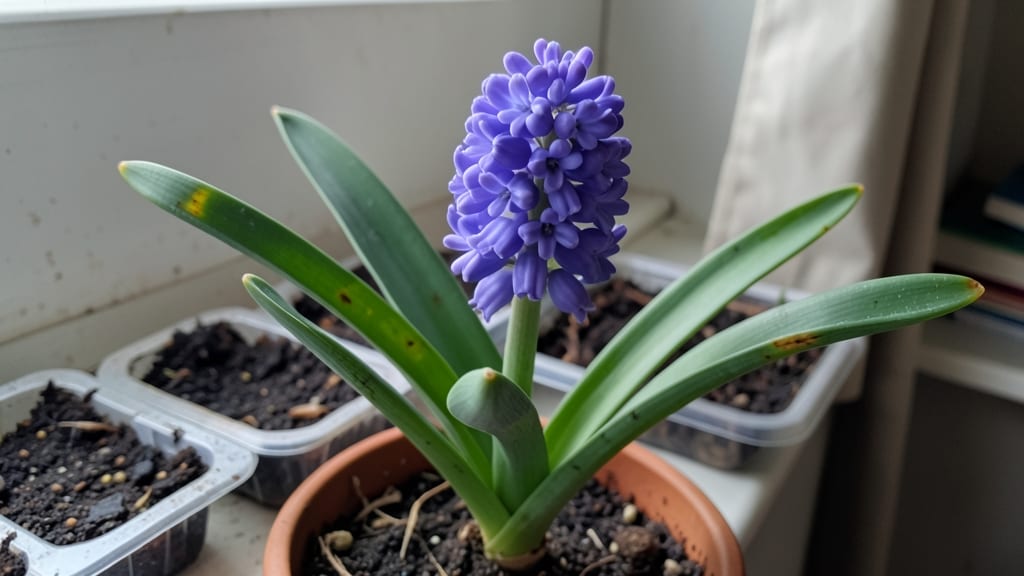
Planting hyacinth flower seeds this fall guarantees next spring’s blooms will be hardier than anything you’ve ever grown—though most gardeners skip the key step of forcing those cold-stressed roots. step and miss the magic. The secret isn’t just patience; it’s mimicking nature’s chilling process to trigger those showstopping blooms.
You’ll need a sunny spot, well-draining soil, and a way to simulate winter—whether that’s a fridge or a cold frame. Most people rush germination, but hyacinth seeds need 4-6 weeks of cool, dark conditions before they’ll even think about sprouting.
Think of it like training your plants to survive the cold they’ll face later. Once they break dormancy, they’ll grow faster and stronger than bulbs you’d buy at the store.
By late spring, you’ll see those first slender leaves pushing through the soil, followed by the bold, fragrant blooms that make hyacinths worth the wait. The scent alone—sweet and intoxicating—will have your neighbors asking where you got them.
This method also lets you grow rare colors and varieties you’d never find in bulb form.
Works in zones 3-9, though timing shifts slightly depending on your last frost date. The key is starting seeds 8-10 weeks before your average first frost—earlier in colder climates, later in mild winters. Once you’ve done it once, you’ll never go back to store-bought bulbs again.
📚 In This Guide
- What you need
- Instructions
- Tips and common mistakes
- Wrapping up and next steps
What you need
- ● Hyacinth flower seeds: 10–20 seeds (ensure they’re fresh or pre-soaked for better germination).
- ● Seed-starting trays or small pots: 2–4 (3–4 inches deep) with drainage holes.
- ● High-quality seed-starting mix: 1–2 bags (sterile, well-draining, and peat-based or coco coir blend).
- ● Plastic wrap or clear lid: To create a mini greenhouse effect.
- ● Spray bottle: For gentle watering (avoid over-saturating the soil).
- ● Grow lights or sunny windowsill: A south-facing window or LED grow lights (12–16 hours/day).
- ○ Fertilizer (optional but helpful): A balanced, water-soluble fertilizer (5-10-5 ratio) for seedlings.
- ● Small hand trowel or spoon: For planting seeds at ¼-inch depth.
- ○ Thermometer (optional): To monitor soil temperature (ideal: 65–75°F for germination).
- ○ Heat mat (optional): If your space is chilly (<60°F), to speed up germination.
- ● Labeled plant markers: To track varieties if growing multiple types.
- ● Patience & consistency: Hyacinth seeds take 4–6 weeks to sprout—stay diligent!
Step-by-Step instructions for cold-stressing hyacinth flower seeds
Here’s how to transform delicate hyacinth seeds into hardier, more resilient bulbs ready for next spring’s garden.
Prepare the Seeds for Cold Treatment
Start by removing the hyacinth seeds from their pods once they’ve fully dried on the plant. Place them in a paper bag and store in a cool, dark location for 7-10 days to ensure complete dryness—this prevents rot during stratification. I like to spread them out on a mesh screen to air-dry evenly, checking daily for moisture.
Once dry, soak the seeds in lukewarm water for 12 hours to soften the outer coating and kickstart germination. This step is critical because hyacinth seeds have a tough shell that slows water absorption. After soaking, drain them thoroughly and let them air-dry again for 24 hours before moving to cold storage.
Stratify Seeds in a Controlled Cold Environment
Fill a shallow container (like a plastic takeout tray) with damp but not soggy perlite or vermiculite—these materials hold moisture without suffocating the seeds. Plant the seeds ½ inch deep, spacing them 1 inch apart to allow room for root development. Cover the container loosely with a lid or plastic wrap to retain humidity.
Place the container in a refrigerator set to 35-40°F for 8-12 weeks. This cold period mimics winter conditions, breaking seed dormancy and encouraging strong root formation. Check the moisture weekly—spritz lightly with water if the medium feels dry to the touch. Overwatering here will drown the seeds before they’ve had a chance to sprout.
Transition Seeds to Warmth for Germination
After the cold stratification period, transfer the container to a bright, warm spot (around 65-70°F) to stimulate germination. Hyacinth seeds are slow to sprout, so patience is key—you may not see anything for 4-6 weeks after removing them from cold. Keep the growing medium consistently moist but never waterlogged.
Once the first true leaves appear (not the initial seed leaves), gently separate the seedlings and transplant them into individual 3-inch pots filled with a well-draining potting mix. This step prevents overcrowding and gives each seedling room to develop a robust root system before winterizing again.
Overwinter Seedlings for Hardier Bulbs
Place the potted seedlings in a cool, dark location (like a garage or unheated basement) for 8-10 weeks to simulate another winter. This second cold period strengthens the bulbs, ensuring they’ll thrive when planted outdoors next spring. Water sparingly—just enough to keep the soil from drying out completely.
After this final cold treatment, gradually reintroduce the seedlings to outdoor conditions over 2 weeks before planting them in the garden. Choose a location with full sun and well-draining soil, then space them 4-6 inches apart. With this method, you’ll have hyacinths that bloom earlier and more vigorously than store-bought bulbs.
Tips & tricks for cold-stressing hyacinth flower seeds
Transforming delicate hyacinth seeds into hardy blooms requires precision—here’s how to optimize each critical phase.
Drying Precision: In Step 1, the 7-10 day drying period is non-negotiable for preventing rot during stratification. I place seeds on a mesh screen in a well-ventilated area with indirect sunlight—direct rays can overheat them. Test dryness by gently squeezing a seed; it should feel papery without any moisture residue. This step ensures seeds won’t mold during the cold treatment.
Stratification Environment: The 35-40°F refrigerator setting in Step 2 must be consistent—fluctuations can shock the seeds. I recommend using a digital thermometer to confirm your fridge maintains this range, especially if it’s located near the oven or freezer. For even more control, place the container on the middle shelf where temperatures are most stable. The 8-12 week window allows for flexibility based on your schedule, but don’t exceed 12 weeks or you risk weakening the seeds.
Germination Patience: Step 3’s 4-6 week wait for germination can feel endless, but this slow process builds stronger roots. I find using a seedling heat mat set to 70°F (not exceeding 75°F) can slightly accelerate sprouting by 1-2 weeks. Monitor closely—true leaves will appear as small, elongated green blades distinct from the initial seed leaves. This visual cue confirms it’s time to transplant into individual pots.
Overwintering Strategy: During the final 8-10 week cold treatment in Step 4, I recommend placing pots in a location with 40-45°F temperatures—cooler than the initial stratification. This mimics natural winter conditions more closely. Water only when the top inch of soil feels completely dry; overwatering at this stage can cause bulb rot. The gradual 2-week outdoor acclimation prevents transplant shock when it’s time to plant.
Pro Tips for Hyacinth Flower Seeds
- Transforming delicate hyacinth seeds into hardy blooms requires precision—here’s how to optimize each critical phase.
- Drying Precision: In Step 1, the 7-10 day drying period is non-negotiable for preventing rot during stratification.
- Stratification Environment: The 35-40°F refrigerator setting in Step 2 must be consistent—fluctuations can shock the seeds.
Frequently asked questions
Got questions about growing hyacinths from seeds? You’re not alone! Here are some of the most common queries—and their answers—to help you get started with confidence.
How long does it take for hyacinth flower seeds to germinate?
Hyacinth seeds can take anywhere from 4 to 12 weeks to sprout, depending on temperature and soil conditions. Keep the soil consistently moist (but not soggy) and maintain a steady temperature around 60–70°F (15–21°C). Patience is key—some seeds may surprise you by germinating faster!
Why do hyacinth bulbs need cold treatment before planting seeds?
Hyacinths are cold-stressed to break dormancy and encourage strong root growth. This mimics their natural winter cycle in temperate climates. Without chilling (typically 6–8 weeks at 35–45°F (2–7°C)), seeds may struggle to germinate or produce weak, spindly blooms. Think of it as a winter nap for your future flowers!
Can I grow hyacinths from seeds indoors, or do they need outdoor conditions?
Yes! Start seeds indoors in well-draining pots with a mix of peat and perlite. Use a grow light or sunny windowsill to provide 12–14 hours of light daily. Once seedlings are 2–3 inches tall, transplant them outdoors after the last frost. Harden them off gradually to avoid shock.
What’s the best way to troubleshoot slow or no germination?
If your seeds aren’t sprouting, check these fixes:
- Soil moisture: Too dry? Mist lightly daily. Too wet? Let it dry slightly between waterings.
- Temperature: Use a seedling heat mat if your home runs cool.
- Light: Seeds need darkness to germinate—cover pots with a damp paper towel until sprouts appear.
- Seed viability: Hyacinth seeds lose potency quickly. If older than 6 months, try fresh seeds or soak them in room-temperature water for 24 hours before planting.
Are there easier alternatives to growing hyacinths from seeds?
If seeds feel too finicky, consider:
- Bulb propagation: Divide mature hyacinth bulbs in late summer for guaranteed blooms next year.
- Pre-grown seedlings: Buy young plants from nurseries (though they may cost more).
- Hybrid varieties: Some hybrids (like ‘Annabel’) are more reliable from seed than others.
Seeds are rewarding but not the fastest route—especially for beginners!
Wrapping up and next steps
Growing hyacinth flower seeds with cold-stressed roots is a simple yet powerful way to unlock hardier, more vibrant blooms next season! By following these steps—whether you’re starting from seed or overwintering bulbs—you’re giving your garden a head start on resilience and beauty. 🌱❄️
Ready to level up your garden game? Grab your seeds, pick a spot, and let nature work its magic. Next up: Track your progress, adjust care as needed, and get ready to admire those fragrant, show-stopping flowers come spring!