
Pruning
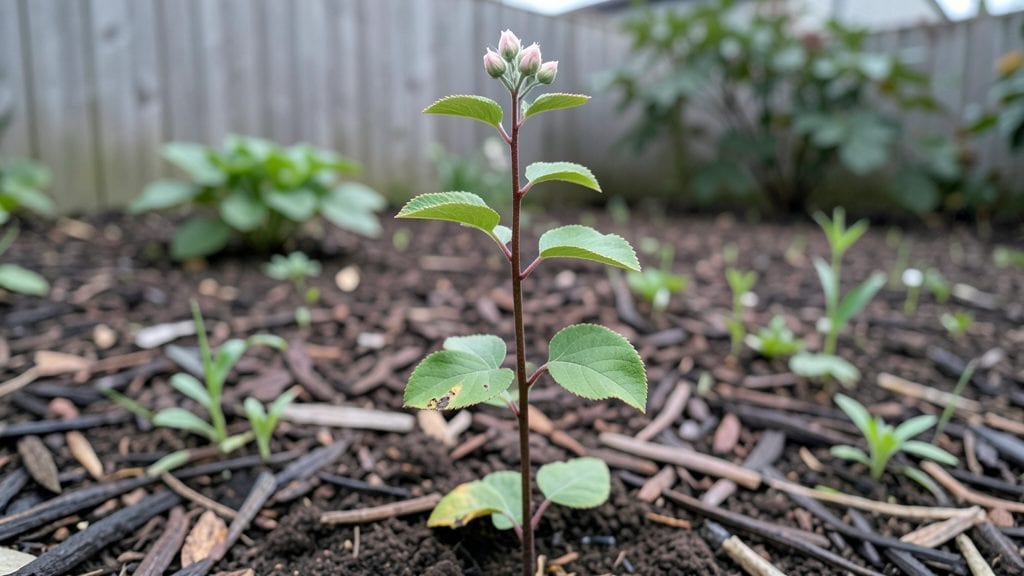
The identification of an apple tree seedling by its roots and leaves saves you years of frustration—because that tiny sprout could be a true apple, a crabapple, or something else entirely.
I’ve spent seasons pulling up seedlings only to realize they were wild apples or even mulberry trees, and I’ll never make that mistake again. The key lies in those first leaves and the way the roots grow, details most guides skip over.
True apple seedlings have serrated, oval leaves with a pointed tip, while crabapples tend to be smaller with more rounded edges. Look at the bark too—apple seedlings often show a smooth, light gray texture near the base, while wild apples can have rougher, darker bark.
And here’s the secret: apple roots develop a fibrous, shallow system that spreads outward, unlike the deeper taproots of many wild trees.
Once you confirm it’s an apple, you’ll want to act fast—these seedlings need proper pruning and potential grafting to develop fruit. I’ve seen homegrown apple trees produce their first harvest within 5-7 years when started from seed, but only if you give them the right care from day one.
The best part? You’ll know for sure before investing time, because those leaf patterns and root clues never lie.
Even if you’re not sure, keep the seedling alive—sometimes the most unexpected trees turn out to be the best. I’ve had a few "maybe" seedlings that surprised me with their resilience, and now they’re the stars of my orchard.
The next step is simple: dig deeper, compare, and decide whether to nurture or replant.
What Triggers Misidentification
Identifying an apple tree seedling can be trickier than it seems—especially when nature throws a few curveballs your way. Misidentification often stems from a mix of biological quirks, environmental factors, and even human error.
Let’s break down the real culprits behind why your seedling might be harder to pin down than you expected.
Apple trees grown from seed (rather than grafts) are not true-to-type, meaning they’ll sprout into entirely different varieties than the parent tree. This happens because apples are polyembryonic in some cultivars (like those from navel oranges), but most apple seeds carry wild genetic diversity from cross-pollination.
If you planted a seed from a random apple—say, one from your grocery store—you’re essentially gambling on a tree that could turn into anything from a crabapple to a completely unknown hybrid.
Why it matters: Seedlings may lack the distinct rootstock or grafting traits of cultivated apple trees, making their identification rely on leaf shape, bark texture, and growth habits—all of which can vary wildly.
Young seedlings often resemble other Rosaceae family members (like hawthorns, crabapples, or even wild cherries) because their defining traits—such as fruit shape or blossom clusters—haven’t fully developed. For example:
- Crabapple seedlings may have serrated leaves similar to apples but grow into smaller, thornier trees.
- Wild apple (Malus sylvestris) seedlings can mimic domestic apples but produce bitter, inedible fruit.
- Early-stage apple seedlings might have simple leaves (unlike mature trees with compound leaves), leading to mix-ups with other fruit trees.
Additionally, seasonal changes alter leaf color and size—what looks like a classic apple leaf in spring might shrink or darken by summer, throwing off your ID game.
Stress from poor soil, pests, or disease can warp a seedling’s natural growth patterns, making it harder to recognize. For instance:
- Fire blight (Erwinia amylovora) causes leaf curling and blackened stems, mimicking nutrient deficiencies.
- Root rot or compacted soil stunts growth, making seedlings look weak or deformed.
- Herbicide drift or chemical exposure can bleach leaves or distort shapes, making them resemble non-apple species.
If a seedling’s habitual traits (like leaf arrangement or bark texture) are altered by stress, you might dismiss it as something else entirely.
Even with the right tools, misidentification happens when we ignore subtle but critical details. Common mistakes include:
- Focusing only on leaves—while apple leaves are lobed and serrated, many trees (like mountain ash) have similar foliage. Root structure and bark are often the giveaways.
- Ignoring blossom patterns—apple seedlings produce clustered, pink-white flowers in spring, while crabapples may have single, showier blooms.
- Assuming size = maturity—a seedling might look like a sapling if it’s been nurtured in ideal conditions, but its true age (and thus ID traits) could be off.
Pro tip: Use a field guide or app (like iNaturalist or the USDA Plant Database) to cross-reference multiple traits—not just one.
By understanding these pitfalls, you’ll sharpen your eye for the hidden clues that reveal whether your seedling is a future orchard star or a wild imposter. Next up: how to turn those clues into confident identifications.
Fixing Common Apple Seedling Issues
Once you’ve identified your apple tree seedling, the next step is addressing any problems—whether it’s stunted growth, pest infestations, or disease. Here’s a practical, step-by-step guide to diagnosing and resolving the most frequent issues, along with prevention tips to keep your young tree thriving.
Cause: Poor soil quality, overcrowding, or nutrient deficiencies.
How to Fix It: 🔥 Test the Soil – Use a simple soil test kit to check pH and nutrient levels. Apple seedlings thrive in slightly acidic soil (pH 6.0–6.5). If the soil is too alkaline, amend it with sulfur or peat moss.
🍳 Improve Soil Conditions – Mix in compost or well-rotted manure to enrich the soil with organic matter. For sandy soil, add peat or coconut coir to retain moisture.
👨🍳 Provide Proper Spacing – Seedlings need room to grow. Space them at least 10–15 feet apart to prevent competition for nutrients and sunlight.
🌡️ Fertilize Correctly – Use a balanced, slow-release fertilizer (like 10-10-10) in early spring. Avoid over-fertilizing, which can burn young roots.
💡 Prevention Tip: Mulch around the base with wood chips or straw to retain moisture and regulate soil temperature.
Cause: Sap-sucking insects, leaf-eating larvae, or wood-boring pests weaken seedlings.
How to Fix It: 🔪 Handpick or Blast Off Pests – For aphids, spray them off with a strong stream of water. Use a magnifying glass to spot and remove caterpillars or egg masses.
🥘 Apply Organic Sprays – Neem oil or insecticidal soap (mixed per label instructions) works well against soft-bodied pests like aphids. For borers, use beneficial nematodes in the soil.
⏰ Set Up Traps Early – Pheromone traps for codling moths (a common apple pest) can reduce larval damage before it starts.
🎯 Encourage Natural Predators – Ladybugs and lacewings eat aphids. Plant companion flowers like marigolds or dill nearby to attract them.
💡 Prevention Tip: Inspect seedlings weekly during growing season. Early detection prevents outbreaks.
Cause: Excess moisture, poor airflow, or contaminated soil.
How to Fix It: 🌧️ Improve Air Circulation – Prune nearby branches to allow sunlight and airflow. Avoid overcrowding seedlings.
🍄 Treat with Fungicides – For powdery mildew, spray baking soda solution (1 tsp baking soda + 1 quart water + a drop of dish soap). For apple scab, use copper fungicide in early spring before buds swell.
🚰 Drainage Fixes – If root rot is suspected, improve drainage by raising the seedling bed or mixing in perlite/sand.
💡 Prevention Tip: Water at the base (not overhead) and avoid wetting leaves. Remove fallen leaves/debris where fungi can thrive.
Cause: Viruses, mineral deficiencies, or environmental stress (heat, cold, or wind).
How to Fix It: 📊 Check for Nutrient Deficiencies –
- Yellow leaves? → Likely nitrogen deficiency. Apply a balanced fertilizer.
- Purple stems? → Phosphorus deficiency. Use bone meal or rock phosphate.
- Brown spots? → Potassium deficiency. Use wood ash or a potash-rich fertilizer.
🌡️ Protect from Extreme Weather – Use shade cloth in scorching heat or burlap wraps in strong winds. Mulch helps insulate roots in cold snaps.
🔄 Prune Damaged Leaves – Remove severely discolored or curled leaves to redirect energy to healthy growth.
💡 Prevention Tip: Monitor weather forecasts and act preemptively (e.g., windbreaks, frost cloth).
Even with fixes in place, consistent care is key. Here’s a quick checklist:
- Water deeply 1–2 times per week (adjust for climate).
- Prune dead/diseased branches in late winter or early spring.
- Monitor regularly for early signs of stress or pests.
By addressing issues promptly and maintaining good hygiene, your apple tree seedling will grow strong and productive. 🌳✨
Frequently asked questions about young apple tree identification
How can I tell if my seedling is a true apple tree and not a crabapple?
Look for oval, serrated leaves with a pointed tip—true apple seedlings have 5-7 lobes per leaf, while crabapples tend to be smaller and more rounded. Check the bark too: apple seedlings often show smooth, light gray bark near the base, whereas crabapples may have rougher, darker bark. The root system matters too—apple roots spread fibrous and shallow, unlike crabapple taproots.
What’s the best time of year to identify an apple tree seedling?
Spring is ideal because that’s when new leaves emerge, revealing their shape and serration pattern. Early summer also works well, but avoid fall when leaves may yellow or drop. If you’re unsure, wait until spring blossoms appear—apple seedlings produce clustered, pink-white flowers, while crabapples often have single, showier blooms. Winter identification is tricky since leaves are absent, but bark texture can still help.
Why does my seedling look like an apple tree but isn’t producing fruit?
Seed-grown apple trees often take 5-7 years to bear fruit, and even then, the fruit may be small, bitter, or inedible because they’re not grafted. True apple varieties require grafting to maintain consistent traits. If your seedling isn’t fruiting, it could also be a wild apple (Malus sylvestris), which rarely produces edible apples. Check the leaves and bark again—wild apples often have rougher bark and smaller leaves.
Can I use an app to confirm my seedling’s identity?
Yes! Apps like iNaturalist, PictureThis, or the USDA Plant Database let you upload photos and compare traits. Focus on leaf shape, bark texture, and growth habit—these are the most reliable clues. For extra accuracy, note whether the seedling has simple or compound leaves (apples typically have simple leaves early on) and any blossom patterns in spring. Always cross-reference with a physical field guide too.