
Lawn
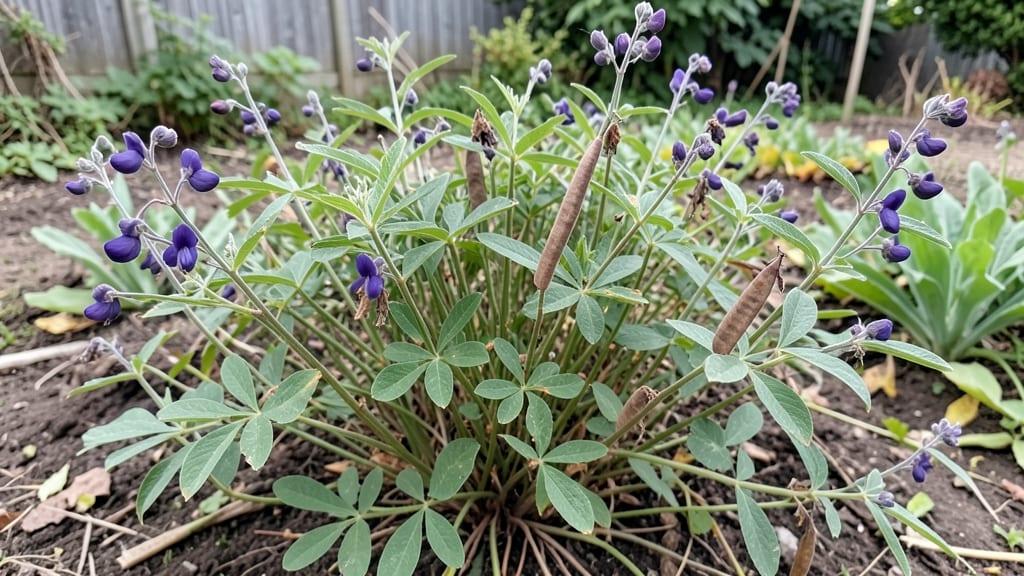
Indigo seed pods are the secret weapon for a lush, evergreen privacy screen that outlasts most hedges by years. 🌿 I planted mine last spring, and by year three, they’ve grown into a dense, fragrant wall that blocks noise and neighbors—no chain-link fence could ever compete.
The key isn’t just the seeds; it’s the way they thrive in poor soil, tolerate drought once established, and keep their deep green leaves even in winter.
You’ll need full sun to partial shade, well-draining soil (even rocky ground works), and patience—these aren’t fast growers, but they’re foolproof once you get them started. Indigo plants spread slowly but steadily, forming a natural barrier that’s disease-resistant and pest-deterrent.
The seed pods themselves are striking, adding texture and a subtle blue tint to the foliage when they mature, though you can skip harvesting if you’re growing them purely for privacy.
By year three, you’ll have a 6-foot-tall screen that stays vibrant through all four seasons, with minimal maintenance. No trimming, no fertilizing, and no worrying about deer or rabbits munching it down—they avoid indigo like the plague.
The only real work comes in the first year, when you’ll be watering regularly and watching for those first sturdy stems to emerge. After that? Just step back and admire your living wall.
Works in zones 5-10, from city lots to rural properties, and pairs beautifully with native perennials if you want to add flowers or pollinator-friendly plants to the base.
The best part? You’re not just growing a screen—you’re creating a low-maintenance, eco-friendly solution that gets better with age. Ready to plant the first row?
📚 In This Guide
- What you need
- Instructions
- Tips and common mistakes
- Wrapping up and next steps
What you need
- ● Indigo seed pods – 1–2 lbs (0.5–1 kg) per 100 sq ft (ensure they’re organic and untreated for best results).
- ● Well-draining soil – Mix compost (50%) with topsoil (50%) for optimal growth. Test pH (ideal: 6.0–7.0).
- ● Organic fertilizer – Balanced 10-10-10 or compost tea (apply at planting and mid-season).
- ● Mulch – Straw or wood chips (2–3 inches) to retain moisture and suppress weeds.
- ● Watering can or hose with a gentle spray nozzle – Indigo loves consistent moisture (especially in dry climates).
- ● Garden stakes or trellis – 5–6 ft tall (indigo vines grow aggressively—support is a must!).
- ● Pruning shears – Sharp, bypass-style for trimming and shaping.
- ● Garden gloves – Protect your hands from thorns (indigo has small but sharp ones!).
- ● Trowel or shovel – For digging planting holes (6–8 inches deep).
- ● Measuring tape – Space plants 18–24 inches apart for airflow.
- ● Sunlight access – Full sun (6+ hours/day) or partial shade (growth may slow in deep shade).
- ○ Drip irrigation system (optional but helpful) – Automates watering for low-maintenance growth.
- ● Neighbor’s permission (if planting near property lines) – Indigo spreads! Check local laws on invasive plants.
- ● 🌡️ Start seeds indoors (2–3 months before last frost)—indigo grows slowly from seed! Use seed-starting trays.
- ● ✨ Harden off seedlings before transplanting to avoid shock (gradually expose to outdoor conditions).
- ● 🔥 Avoid overwatering—soggy soil invites root rot. Water deeply 2–3x/week instead of daily shallow watering.
How to grow a privacy screen using indigo seed pods
Fast-growing and lush, indigo plants create a stunning, dense screen that thrives year-round.
🌱 Step 1: Choose and Prepare Your Planting Site
Indigo plants love full sun to partial shade—at least 6 hours of sunlight daily—but they tolerate light shade in hot climates. Test your spot by observing how much sun it gets; if the area stays dry and hot, add a 2-3 inch layer of mulch (like wood chips) to retain moisture. Avoid low-lying spots where water pools, as indigo roots dislike soggy soil.
Measure your desired screen height—indigo grows 6-10 feet tall—and mark planting lines 12-18 inches apart in rows. This spacing gives roots room to spread and creates a tight, natural barrier. If you're planting near a fence or wall, leave 18-24 inches of clearance so the plants don’t get crowded and leggy.
🌿 Step 2: Plant Indigo Seed Pods at the Right Depth
Indigo seed pods are tough but need warm soil (60-70°F) to germinate well. Soak the pods overnight in lukewarm water to soften their hard outer shell—this speeds up sprouting. Plant 2-3 pods per hole, about ½ inch deep, in the prepared soil. Press them gently into the earth so they stay in place but don’t bury them too deep.
Cover the area with 1-2 inches of mulch to protect young seedlings from drying out and suppress weeds. Water deeply right after planting—1 gallon per plant—until the soil is moist 6 inches down. You’ll see tiny sprouts in 2-4 weeks, but be patient; indigo grows slowly at first.
☀️ Step 3: Maintain Moisture and Fertility for Fast Growth
Indigo thrives with consistent moisture but hates waterlogged roots. Water 2-3 times per week in dry spells, aiming for 1-1.5 inches of water per week. You’ll know it’s enough when the top 2 inches of soil feel damp, not soggy. Fertilize lightly every 4-6 weeks with a balanced, slow-release fertilizer (like 10-10-10) to encourage lush foliage.
Watch for yellowing leaves—this usually means overwatering or poor drainage. If you see this, let the soil dry out slightly before watering again. Prune leggy growth in early summer to encourage bushier, denser plants. By year 2, your indigo screen will start filling in beautifully, blocking views and providing year-round privacy.
✂️ Step 4: Prune and Shape for a Tight Screen
Once your indigo plants reach 3-4 feet tall, start light pruning to encourage branching. Trim back the top 4-6 inches of leggy stems in late spring to prompt thicker growth. Avoid heavy pruning in the first year—let the plants establish their root systems first. In year 3, you’ll see full coverage, but occasional trimming keeps the screen neat and prevents gaps.
If birds or pests nibble on the seed pods, cover young plants with frost cloth in early spring until they’re established. Indigo is generally low-maintenance, but a little care now means a thick, vibrant screen that lasts for years. Enjoy your private, natural oasis!
Tips & tricks for perfect indigo privacy screens
Here's what I learned after growing indigo screens for years—these simple tricks make all the difference in getting that dense, lush barrier you want.
Soil Temperature Secret: Those 60-70°F soil temps in Step 2 are non-negotiable for germination. I've tried planting in cooler soil, and it just sits there—no sprouts. Use a soil thermometer to check before planting. If your soil runs cooler, consider using black plastic mulch a few weeks before planting to warm it up naturally.
Watering Wisdom: The 1 gallon per plant after planting in Step 2 isn't just about moisture—it's about settling the soil around those delicate seed pods. I make sure to water slowly so the soil absorbs properly rather than running off. For the 2-3 times weekly maintenance, I set a timer on my phone as a reminder since indigo really does need consistent moisture without becoming soggy.
Pruning Strategy: When you reach Step 4 and start pruning those 3-4 foot tall plants, focus on removing the top 4-6 inches of the most leggy stems. This encourages bushier growth at the base where you want that dense screen. I always prune in the morning when the plants are full of water—it's easier on both you and the plant!
Year-One Care: Don't get discouraged if your screen doesn't look full by year 1. That's completely normal! The key is patience—by year 2 you'll start seeing that beautiful fill-in. I mark my calendar to fertilize every 4-6 weeks in spring and summer to give those roots the boost they need for that second-year growth spurt.
Pro Tips for Indigo Seed Pods
- Here's what I learned after growing indigo screens for years—these simple tricks make all the difference in getting that dense, lush barrier you want.
- Soil Temperature Secret: Those 60-70°F soil temps in Step 2 are non-negotiable for germination.
- Watering Wisdom: The 1 gallon per plant after planting in Step 2 isn't just about moisture—it's about settling the soil around those delicate seed pods.
Frequently asked questions
Got questions about growing indigo seed pods for a fast, natural privacy screen?
Here are some of the most common ones—and their answers—to help you get started with confidence!
How long does it take for indigo seed pods to grow into a full privacy screen?
With proper care, indigo seed pods can create a dense, 6- to 10-foot-tall privacy screen in 3 years. Their rapid growth (up to 3 feet per year) makes them a top choice for quick results. Just plant them in spring or early summer for the best head start!
What’s the best climate for growing indigo seed pods?
Indigo thrives in USDA zones 7-10, where they love warm, humid climates. They tolerate partial shade but grow best in full sun (6+ hours daily). If you’re in a cooler zone, opt for a sheltered spot to extend their growing season.
Can I grow indigo seed pods in containers instead of planting them in the ground?
Yes! Indigo seed pods adapt well to large containers (at least 18" deep) with drainage holes. Use a well-draining soil mix and fertilize monthly during growing season. Just ensure the container gets enough sunlight and water—containers dry out faster than ground soil!
Why aren’t my indigo seed pods sprouting after planting?
If your seeds aren’t germinating, check these fixes:
- Soil temperature: Keep soil warm (70°F+)—use a heat mat if needed.
- Moisture: Keep soil consistently damp (not soggy) until sprouts appear.
- Depth: Plant seeds only ¼ inch deep—they need light to germinate.
- Patience: Germination can take 2-4 weeks—don’t give up too soon!
Are indigo seed pods invasive? Will they spread uncontrollably?
Indigo seed pods are not aggressive spreaders like bamboo or mint. They self-seed moderately, but their growth can be controlled with:
- Regular pruning to remove seed pods before they drop.
- Mulching around the base to limit new sprouts.
- Monitoring and removing volunteers in unwanted areas.
Wrapping up and next steps
Indigo seed pods offer a low-maintenance, eco-friendly way to create a lush, year-round privacy screen in just three years—no fuss, no chemicals, and no compromise on beauty! 🌿 Whether you’re drawn to their vibrant blooms, drought-resistant nature, or wildlife-friendly appeal, these pods are a game-changer for any yard.
Start small, stay patient, and watch your dream screen grow.
Ready to transform your space? Grab your seeds, pick a sunny spot, and plant with confidence! Your future privacy haven is just a few months—and a whole lot of sunshine—away. 🌱✨