
Lawn
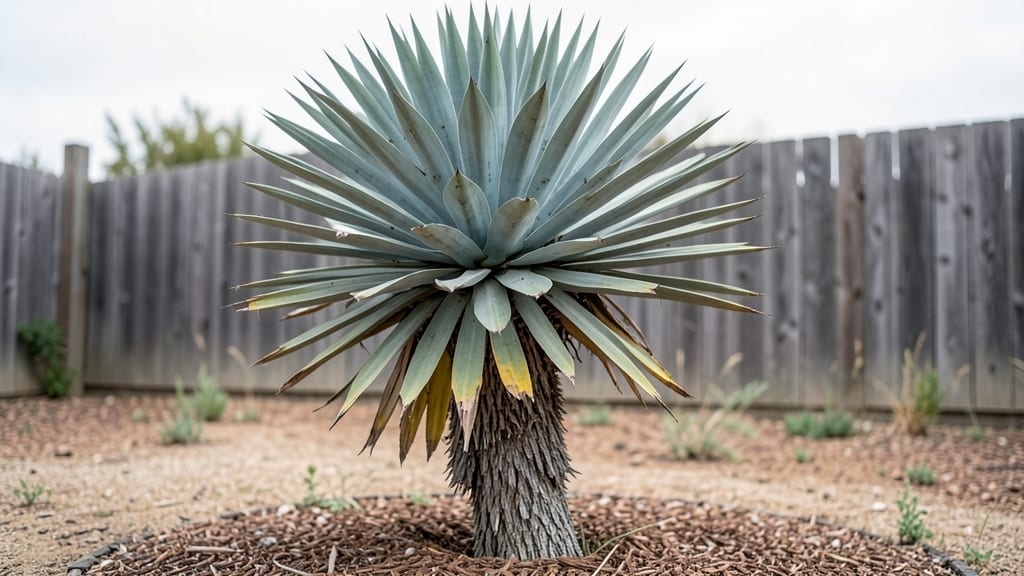
Growing Joshua tree seeds into those iconic desert sentinels takes patience, but the reward is worth every slow step. 🌵 I’ve watched my own seedlings push through soil after months of waiting, and the moment those first stiff, sword-like leaves appear is unforgettable—like unlocking a piece of the Mojave right in your yard.
The key starts with stratification: these seeds need a cold, dry treatment to break dormancy, mimicking nature’s winter. After soaking them for 24 hours, I spread them on damp paper towels in a sealed bag and refrigerate for 6-8 weeks.
No fancy equipment—just your fridge and time. Once they sprout, they’ll need well-draining cactus mix and a spot that bakes under the sun.
By week 12, you’ll see the first real leaves—thick, waxy, and built to survive drought. These plants grow slow, but with proper care, they’ll reach 3-5 feet in 5 years, standing tall against heat and neglect.
The trick is letting them dry out between waterings; Joshua trees hate soggy roots.
Works best in USDA zones 7-11, but even northern gardeners can try them in containers. The real magic happens when you plant them out—suddenly, your desert garden starts to feel like home. Let’s get those seeds sprouting!
📚 In This Guide
- What you need
- Instructions
- Tips and common mistakes
- Wrapping up and next steps
What you need
- ● Joshua Tree Seeds: 10–20 fresh, viable seeds (collect from mature plants or purchase from a reputable supplier). Pro tip: Seeds lose viability quickly—use them within 1–2 weeks of collection!
- ● Seed Starting Mix: 2–3 cups of cactus/succulent soil mix (sterilized, well-draining, and free of peat moss). Avoid regular potting soil—it retains too much moisture!
- ● Seed Trays or Small Pots: 2–4 shallow trays (2–3 inches deep) with drainage holes or 4-inch diameter pots.
- ● Gravel or Perlite: ½ cup coarse perlite or small gravel for the bottom layer of pots (to prevent rot).
- ● Spray Bottle: 8–12 oz with a fine mist nozzle (for gentle watering).
- ● Plastic Wrap or Clear Lid: To create a humidity dome (essential for germination!).
- ● Grow Lights or Sunny Window: A full-spectrum LED grow light (12–14 hours/day) or a south-facing window with direct sunlight (6+ hours/day).
- ○ Thermometer/Hygrometer: Optional but helpful to monitor soil temp (ideal: 75–85°F) and humidity (50–70%).
- ● Bottom Heat Mat: A heating mat (set to 80–85°F) to speed up germination (Joshua Tree seeds love warmth!).
- ● Fungicide: A natural fungicide (like neem oil or hydrogen peroxide solution) to prevent mold.
- ● Transplanting Supplies: Larger pots (4–6 inches) and more cactus mix for when seedlings are ready to upgrade!
- ● Notebook: To track seed planting dates, germination progress, and watering schedules.
Step-by-step instructions for growing Joshua tree seeds
Here's how to coax these desert survivors from seed with patience and precision.
🌱 Step 1: Prepare Seeds for Germination
Joshua tree seeds need a cold stratification period to break dormancy. Place the seeds between two damp paper towels in a sealed plastic bag. Store them in your refrigerator for 6-8 weeks—this mimics winter's chill in the desert. Check weekly to ensure the towels stay moist but not soggy. You'll know it's working when tiny roots begin to sprout from the seeds.
After the cold treatment, remove the seeds and rinse them gently with lukewarm water. This washes away any mold or residue that might have built up during stratification. Soak them for 12-24 hours to soften the tough outer shell. I like to use a small glass of water so I can monitor the seeds easily—no need for fancy equipment.
💧 Step 2: Plant in Sterile, Well-Draining Soil
Fill a 4-inch diameter pot with a mix of 50% cactus/succulent soil and 50% perlite—this ensures excellent drainage, which Joshua trees demand. The perlite prevents root rot, a common killer of these seeds. Plant each seed ¼ inch deep in the soil, spacing them about 1 inch apart in the pot.
Gently press the soil around the seeds to secure them without compacting it too much. The goal is to create a loose, airy environment where roots can establish easily. Water lightly with a spray bottle until the soil feels evenly moist but not wet. Overwatering at this stage is the fastest way to lose your seedlings.
☀️ Step 3: Provide Warmth and Bright, Indirect Light
Place the pots in a location with bright, indirect light—think east-facing window or under grow lights set to 12-14 hours per day. Joshua trees need warmth to germinate, so keep the soil temperature between 75-85°F. A seedling heat mat can help maintain this range if your home runs cooler.
Germination can take 4-12 weeks, so patience is key. Keep the soil consistently moist but never waterlogged—stick your finger in the soil to check. If the top ½ inch feels dry, it's time to water again. You'll see the first tiny sprouts emerge as a small green bump breaking through the soil.
🌿 Step 4: Thin and Harden Off Seedlings
Once seedlings reach 1-2 inches tall, thin them so only the strongest remains in each pot. Use small scissors to snip the weaker ones at soil level—this prevents disturbing the roots of the plants you're keeping. Joshua trees grow slowly, so don't rush this step. You'll know you've done it right when the remaining seedlings stand upright and show no signs of stress.
After 4-6 weeks of growth, begin hardening off your seedlings. Move them outside to a shaded, sheltered spot for 1-2 hours the first day, gradually increasing their time outdoors over 10-14 days. This prepares them for the harsher desert conditions they'll eventually face. Watch for any signs of wilting or leaf scorch—these are red flags that they're not ready for full sun yet.
⏰ Step 5: Transplant to Larger Containers
When seedlings reach 3-4 inches tall, transplant them into 6-inch diameter pots filled with the same well-draining mix. Handle the small plants gently to avoid damaging their delicate roots. Water them thoroughly after transplanting to help settle the soil around the roots. Place them back in bright, indirect light for 1-2 weeks to recover from the shock.
Once they've adjusted, you can gradually introduce them to direct sunlight for 2-3 hours per day, increasing exposure over time. Joshua trees are tough, but they need this slow transition to avoid sunburn. With consistent care, you'll see strong, healthy growth that mimics their desert origins. Keep an eye out for pests—these seedlings are still vulnerable until they're established.
Tips & tricks for growing Joshua tree seeds
Here's what I've learned from years of growing these tough desert plants from scratch.
The Stratification Secret: Don't skip the weekly moisture check during those critical 6-8 weeks in the fridge. I've seen seeds mold when left too damp, but they also fail to sprout if they dry out. The key is keeping those paper towels consistently moist—like a wrung-out sponge—not dripping wet. This mimics the desert's winter rains just enough to trigger germination.
Soaking Strategy: That 12-24 hour soak isn't just about softening the shell—it's also a great time to inspect your seeds. Remove any that float (they're empty) or show signs of mold. I like to use a small glass so I can see each seed clearly. If you're impatient, you can reduce the soak to 12 hours, but don't go shorter—the tough outer shell needs that time to weaken.
Soil Science: The 50/50 cactus soil and perlite mix is non-negotiable for these desert survivors. I've tried adding sand, but it compacts too easily and reduces drainage. Instead, consider adding a handful of small pumice stones to the mix—they create air pockets that prevent root rot while maintaining that perfect desert-like texture. The perlite should look like it's holding its shape when you squeeze it.
Lighting Insight: That 12-14 hours of light isn't just about duration—it's about intensity. If you're using grow lights, position them 6-8 inches above the pots. Too high and the light gets too weak; too low and you'll burn the delicate seedlings. I've had success with LED grow lights on a timer, but natural east-facing windows work beautifully too. The goal is to mimic the desert's bright but indirect sunlight.
Pro Tips for Joshua Tree Seed
- Here's what I've learned from years of growing these tough desert plants from scratch.
- The Stratification Secret: Don't skip the weekly moisture check during those critical 6-8 weeks in the fridge.
- Soaking Strategy: That 12-24 hour soak isn't just about softening the shell—it's also a great time to inspect your seeds.
Frequently asked questions
Got questions about growing Joshua tree seeds? You’re not alone! Here are answers to the most common queries—from timing to troubleshooting—to help you nurture your desert bloom with confidence.
How long does it take for Joshua tree seeds to germinate?
Patience is key! Joshua tree seeds typically take 6 to 12 weeks to germinate, especially in warm (70–85°F) and well-draining soil. Cold stratification (4–8 weeks in the fridge) can speed things up. Avoid rushing—consistent moisture and warmth are your best allies.
Do Joshua tree seeds need cold treatment before planting?
Yes! Cold stratification mimics winter conditions and breaks seed dormancy. Place seeds in a damp paper towel or soil, then refrigerate for 4–8 weeks. Skip this step, and germination rates may drop significantly. Pro tip: Label your containers to track progress!
What’s the best soil mix for Joshua tree seeds?
Use a fast-draining blend of 50% cactus/succulent mix and 50% perlite or coarse sand. Avoid heavy clay—it causes rot. A shallow tray with drainage holes works perfectly. Too much water = seed death, so let the top inch dry between waterings.
Can I grow Joshua tree seeds indoors first?
Start seeds indoors under grow lights (12–14 hours/day) to control humidity and warmth. Once seedlings sprout (2–3 inches tall), transplant them outdoors in spring. Hardening off (gradually exposing them to sun) for 1–2 weeks prevents shock.
Why aren’t my Joshua tree seeds sprouting?
Check these fixes:
- Lack of stratification: Try the fridge trick.
- Overwatering: Let soil dry slightly between waterings.
- Poor drainage: Elevate trays or add perlite.
- Low temps: Keep seeds in a warm spot (70°F+).
Wrapping up and next steps
Growing Joshua Tree seeds may take patience, but the reward of witnessing a desert icon thrive in your yard is unmatched! 🌵 With the right techniques—like proper soil prep, consistent moisture, and a dash of sunlight—you’ll see those first sprouts in just 6-12 weeks.
Don’t let setbacks discourage you; even seasoned gardeners face challenges, but persistence pays off.
Ready to take the next step? Start small—plant a few seeds in pots first to refine your approach before expanding. Share your progress with fellow plant enthusiasts or join a local gardening group for tips.
Every seed you sow today could be the start of a stunning desert landscape tomorrow! 🌱✨