Size
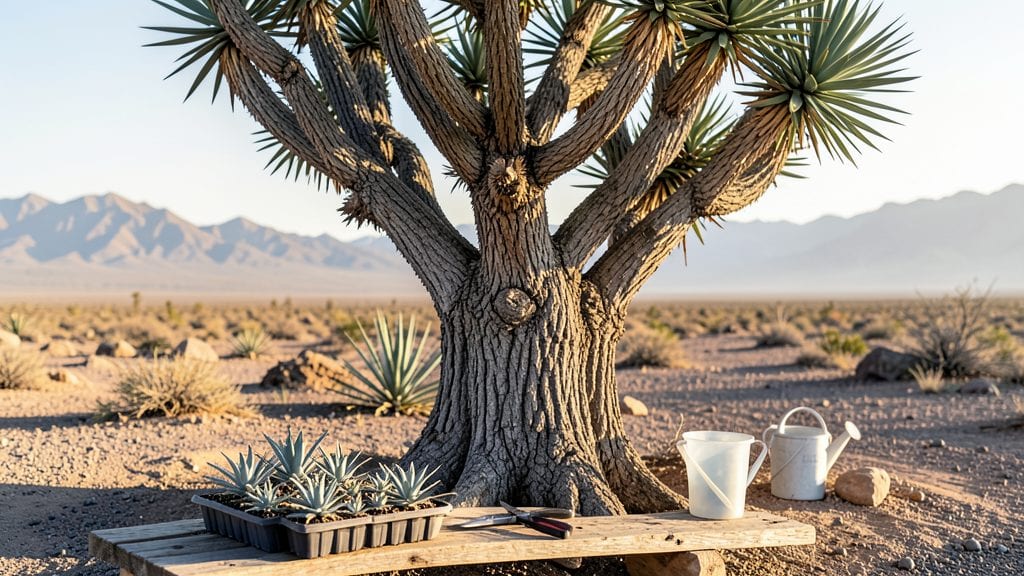
Growing Joshua tree seeds from scratch is a patience test that rewards you with a living piece of the Mojave Desert. ✨ I’ve tried this twice—once with store-bought seeds and once with wild-collected ones—and the second batch finally cracked the code for me.
The key isn’t just soil or water; it’s understanding what these tough little seeds really need to break dormancy.
You’ll need a mix of cactus soil and perlite to mimic their native rocky terrain, plus a clear container to track germination without disturbing the seeds. Most people give up after six months, but Joshua trees take their time—sometimes 1-2 years before that first spiky shoot appears.
The trick is consistency: keep the soil barely moist and the container in bright, indirect light.
By month three, you might spot tiny green growth, but don’t expect blooms anytime soon—these trees grow at a glacial pace.
What you will get is a slow-motion success story: a plant that thrives on neglect, survives droughts, and eventually becomes a conversation piece in your desert garden or indoor sunroom.
Indoor growers can extend the season with grow lights, while outdoor plantings in zones 9-11 will need winter protection for their first few years. The real magic happens when you see that first branch—proof you’ve outsmarted a plant that’s been outlasting humans for millennia.
📚 In This Guide
- What you need
- Instructions
- Tips and common mistakes
- Wrapping up and next steps
What you need
- ● Joshua Tree Seeds: 5–10 mature, viable seeds (harvested fresh or purchased from a reputable supplier). Pro tip: 💡 Soak seeds in warm water for 24 hours to soften the hard outer shell!
- ● Seed Starting Mix: 1–2 cups of cactus/succulent soil blend (sterilized, well-draining, and slightly gritty). Avoid regular potting soil—it’s too dense!
- ○ Small Pots or Trays: 2–4 biodegradable pots (2–3 inches deep) or a seed tray with drainage holes. Optional: Use a clear plastic dome or plastic wrap to create a mini greenhouse effect.
- ● Grow Lights or Sunny Window: A full-spectrum LED grow light (12–16 hours/day) or a south-facing window with direct sunlight (6+ hours). Joshua Trees are sun-worshippers!
- ● Spray Bottle: For gentle watering—avoid over-saturating the soil.
- ○ Heat Mat (Optional but Helpful): A seedling heat mat (70–80°F) to mimic desert-like warmth and speed up germination.
- ● Fertilizer: A balanced, diluted liquid fertilizer (5-5-5 or 10-10-10) for early growth. Wait until seedlings sprout before fertilizing!
- ● Tweezers or Toothpick: For carefully placing tiny seeds into the soil.
- ● Fine-Mesh Screen or Paper Towels: To cover seeds lightly if using a tray (keeps them in place without suffocating).
- ● pH Test Kit: Ensure your soil is slightly acidic to neutral (pH 6.0–7.5). Joshua Trees prefer a balanced environment.
- ● Humidity Dome or Plastic Bag: Creates a humid microclimate for germination (remove once sprouts appear).
- ● Notebook & Pen: Track planting dates, watering schedules, and growth milestones—patience is key!
Step-by-step instructions for growing Joshua tree seeds
Here's how to coax these desert survivors from seed with patience and precision.
🌱 Step 1: Stratify Seeds for Germination
Joshua tree seeds need cold stratification to break dormancy. Place the seeds in a sealed plastic bag with a moist paper towel—just damp enough to feel slightly damp but not dripping. I like to label the bag with the date and variety, though all Joshua tree seeds look identical at this stage.
Store the bag in your refrigerator's crispier drawer for 60-90 days. Check monthly by opening the bag briefly—if the towel feels dry, mist it again. This cold treatment mimics winter in their native desert, signaling it's time to grow. Don't skip this step; seeds left unstratified may never sprout.
💧 Step 2: Plant Stratified Seeds in Warmth
After stratification, fill a small pot with cactus/succulent mix (no soil—it's too dense). I use a 4-inch diameter pot for each seed since Joshua trees dislike being crowded. Plant seeds ¼ inch deep, spacing them 1 inch apart—they're tiny, so I use a toothpick to make the holes.
Water lightly until the surface feels barely damp. Place the pot in a warm spot with indirect light—a south-facing window with sheer curtains works well. Keep the soil consistently moist but never soggy; Joshua tree seeds rot easily when overwatered. Germination can take 2-4 weeks, so be patient.
☀️ Step 3: Transition to Bright, Dry Conditions
Once seedlings emerge, move them to bright, direct light—a sunny windowsill or under grow lights. I raise the lights gradually as they grow to prevent stretching. Joshua trees need full sun to develop properly, so don't shy away from intense light.
Reduce watering to every 2-3 weeks once seedlings have 2-3 sets of leaves. Let the soil dry completely between waterings—these desert plants hate wet feet. You'll see them grow slowly at first, but their thick, waxy leaves are a sign they're adapting to arid conditions.
🪴 Step 4: Repot and Harden Off Young Plants
After 6-12 months, when seedlings reach 3-4 inches tall, repot into individual 6-inch pots with fresh cactus mix. Handle them gently—their stems are brittle. Place them in a spot with hot afternoon sun to mimic their native habitat.
Begin hardening off by placing pots outside in partial shade for 1-2 hours daily, gradually increasing exposure. After 2 weeks, they can handle full sun. Joshua trees grow slowly, so don't rush—patience is key to their survival.
Tips & tricks for growing Joshua tree seeds
Patience and precision are your best tools when growing these desert survivors—here's how to maximize your success.
The Stratification Secret: Don't just toss those seeds in the fridge! The key is maintaining that perfect balance of moisture in the paper towel—squeeze it gently until it feels like a wrung-out sponge. Too dry and the seeds won't hydrate properly; too wet and they'll rot. I've learned this the hard way after losing batches to mold. Also, place the bag in the crispier drawer where temperatures stay consistently cold (around 35-40°F)—this mimics their natural winter conditions.
Planting Precision: Those tiny seeds need perfect spacing and depth. Use a toothpick to create holes just ¼ inch deep—any deeper and they may never emerge. I like to lay the seeds out first to visualize the 1-inch spacing before planting. And here's a pro move: tap the pot gently after planting to settle the soil around the seeds without disturbing them.
Light Transition Strategy: The move from indirect to direct light in Step 3 is critical. Start by placing seedlings near a south-facing window where they'll get bright but filtered light. After a week, gradually increase exposure by moving them closer to the glass. I've seen seedlings stretch painfully toward weak light—this "etiolation" makes them weak and leggy. For grow lights, use full-spectrum bulbs about 6 inches above the plants and raise them as the seedlings grow.
Watering Wisdom: The "consistently moist but never soggy" rule is everything with Joshua tree seeds. I use the finger test—stick your finger about ½ inch deep into the soil. If it feels dry at that depth, it's time to water. For the every 2-3 weeks schedule, set a reminder on your phone since these desert plants thrive on neglect. Overwatering is the #1 killer of young Joshua trees—trust me on this.
Pro Tips for Joshua Tree Seeds How To Grow
- Patience and precision are your best tools when growing these desert survivors—here's how to maximize your success.
- The Stratification Secret: Don't just toss those seeds in the fridge!
- Planting Precision: Those tiny seeds need perfect spacing and depth.
Frequently asked questions
Got questions about growing Joshua Tree seeds? You’re not alone—these desert beauties can be tricky! Here are answers to the most common queries to help you avoid pitfalls and nurture your seedlings like a pro.
How long does it take for Joshua Tree seeds to germinate?
Patience is key! Joshua Tree seeds can take anywhere from 3 weeks to 6 months to germinate, depending on conditions like temperature, moisture, and seed freshness. Keep them in a warm, humid environment (around 70–80°F) and stay consistent with misting. Some seeds may even wait until spring to sprout—don’t give up too soon!
Can I grow Joshua Tree seeds indoors?
Start them indoors in a well-draining soil mix (like cactus/succulent blend) under grow lights or in a sunny window. Use a clear plastic dome or bag to maintain humidity, and transplant outdoors only after the last frost and when seedlings are at least 2–3 inches tall. Harden them off gradually to avoid shock.
Why aren’t my Joshua Tree seeds sprouting?
Several factors could be at play:
- Cold temperatures: Seeds need warmth (ideally 70°F+) to germinate.
- Poor moisture: Keep soil consistently damp (not soggy) with daily misting.
- Old or dormant seeds: Joshua Tree seeds often have a long dormancy period—try stratification (chilling seeds for 4–6 weeks) to break it.
- Low oxygen: Over-potting or sealing containers too tightly can suffocate seeds.
Do Joshua Tree seeds need light to germinate?
Nope! Seeds germinate best in darkness—cover the tray with a lid or place it in a dark cabinet until sprouts appear (usually 2–4 weeks). Once seedlings emerge, move them to bright, indirect light (or grow lights) to prevent leggy growth. Think of it like a cozy, dark womb before they’re ready for the spotlight!
What’s the best soil mix for Joshua Tree seedlings?
Use a fast-draining, mineral-rich mix to mimic their desert habitat. A blend of:
- 50% cactus/succulent soil
- 30% perlite or pumice (for aeration)
- 20% sand or coarse grit (to prevent rot)
Can I collect Joshua Tree seeds from the wild?
Technically yes, but check local regulations first—many areas (like California) protect Joshua Trees due to habitat loss. If permitted, harvest seeds in late summer/fall when seed pods turn brown and dry. Wear gloves (the pods can irritate skin!) and store seeds in a cool, dry place until planting. Always prioritize conservation—don’t overharvest!
Wrapping up and next steps
Growing Joshua Tree seeds is a rewarding journey that connects you to the rugged beauty of the desert—and yes, you can nurture these resilient seeds into thriving plants with patience and care! 🌱 By following the right steps—from scarification to transplanting—you’ll unlock the secrets of this iconic desert dweller.
Whether you’re a seasoned gardener or a curious beginner, your efforts will soon bloom into a stunning centerpiece for your garden.
Ready to watch your tiny seed transform into a desert giant? Start small: pick a sunny spot, gather your supplies, and take that first step today. The desert’s magic is just a seed away! 🌵✨