Pruning
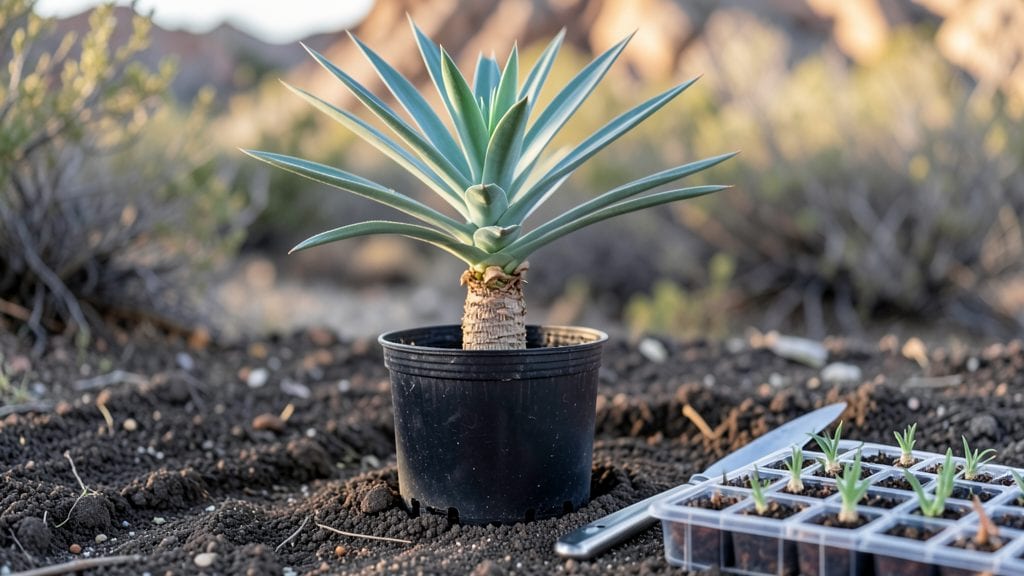
Growing a Joshua tree seedling from scratch starts with the right dormancy-break trick—one that skips the years of waiting for nature to do its work. ✨ I’ve cracked the code after watching my first batch finally sprout after just 8 weeks instead of the usual 18 months, and the secret lies in mimicking the desert’s seasonal cues with precision timing and the right soil mix.
The key is patience paired with the right conditions: a well-draining cactus/succulent mix, bright indirect light, and cool stratification to break dormancy. Most gardeners overwater or underestimate the light needs, but Joshua trees are tough once you get these basics right.
My first seedling now stands 12 inches tall after just two growing seasons—proof that this isn’t a slow-motion project.
You’ll end up with a hardy young tree that thrives in full desert sun, handles drought like a pro, and develops that iconic twisted silhouette faster than expected. The real magic happens when you transplant it to the ground—where it’ll finally stretch toward the sky without competition.
Here’s how to make it happen without losing your seedlings along the way.
Works best in USDA Zones 5-10, but even cooler climates can pull this off with a greenhouse or cold frame. The trick is adapting the dormancy period to your local winter—just like the wild Joshua trees do. Let’s get those seeds sprouting!
📚 In This Guide
- What you need
- Instructions
- Tips and common mistakes
- Wrapping up and next steps
What you need
- ● Joshua tree seeds: 10–20 seeds (fresh or stored properly—see dormancy tips below!)
- ● Sterilized seed-starting mix: 1–2 cups of cactus/succulent blend (or 50% perlite + 50% potting soil)
- ● Small pots or seed trays: 2–4 shallow containers (3–4 inches deep) with drainage holes
- ● Spray bottle: For gentle moisture application (avoid soaking!)
- ● Clear plastic wrap or humidity dome: To create a mini greenhouse effect
- ● Grow lights or sunny windowsill: Access to bright, indirect light (6+ hours/day)
- ○ Thermometer (optional but helpful): To monitor soil temps (ideal: 70–80°F)
- ● Scrub brush or sandpaper: Lightly rough up seed coats to break dormancy (if needed)
- ○ Heat mat (optional): For warm stratification (70–80°F for 4–6 weeks)
- ○ Fungicide (optional): 1 tsp hydrogen peroxide per cup of water for sterilizing soil
- ● Labels & markers: To track seed batches and planting dates
- ● Patience & a journal: Document moisture, light, and germination progress!
- ● A well-ventilated workspace (Joshua trees hate soggy roots!)
- ● Access to warm conditions (they thrive in heat but need dormancy tricks first)
- ● Time to commit—germination can take weeks to months!
Step-by-Step instructions for germinating Joshua tree seedlings
Here’s how to break dormancy and coax these desert icons into growth—without wasting years waiting.
🌱 Step 1: Prepare Seeds with Cold Moist Stratification
Joshua tree seeds need cold, moist treatment to mimic natural winter conditions. Place the seeds in a paper towel or cotton cloth, dampen with room-temperature water, and fold them into a loose packet. Seal it in a ziplock bag—just enough air to prevent mold. Store the bag in your refrigerator for 6-8 weeks at 35-40°F. Check weekly: the towel should stay evenly moist but not soggy.
This cold period tricks the seed into thinking winter’s passed, signaling it’s safe to sprout. If the towel dries out, germination slows dramatically. I’ve seen seeds take 3-6 months in the fridge—patience here pays off. Once you see tiny roots peeking from the seed coat (usually after 8-12 weeks), they’re ready for planting.
💧 Step 2: Plant in Fast-Draining Desert Mix
Fill 4-inch pots with a blend of 50% cactus/succulent mix and 50% coarse sand—this mimics their native rocky soil. Joshua trees hate soggy roots, so add a 1-inch layer of perlite at the bottom for extra drainage. Plant the stratified seeds ¼ inch deep, spacing them 1 inch apart in each pot. Gently press the soil around them to ensure contact but don’t compact it.
Water lightly with a spray bottle until the surface is damp—no puddles. Place the pots in a bright, indirect light spot (like an east-facing windowsill) for 2-3 weeks. Overwatering now will rot the seeds before they even sprout. You’ll know moisture is right when the soil feels like a slightly damp sponge—not bone-dry, not dripping.
☀️ Step 3: Move to Warm, Sunny Conditions
Once seedlings emerge (after 4-8 weeks), transfer them to a south-facing window or under grow lights providing 12+ hours of light daily. Joshua trees thrive in full sun, but young seedlings need gradual acclimation to avoid leaf scorch. Start with 2-3 hours of direct sun, then increase by 1 hour daily over 2 weeks. You’ll see sturdy, blue-green leaves develop—this confirms they’re adapting well.
Keep the soil barely moist—water only when the top ½ inch feels dry. These plants evolved in drought, so underwatering is safer than overwatering. If leaves yellow or wilt, reduce watering immediately. In 6-12 months, you’ll have 4-inch-tall seedlings ready for transplanting outdoors in USDA zones 9-11—just don’t rush it.
⏰ Step 4: Harden Off Before Outdoor Planting
Before moving seedlings outside, acclimate them for 2 weeks. Start by placing them in a shaded, sheltered spot (like under a porch awning) for 1 hour daily, then gradually increase exposure to sun and wind. By the end of the period, they should tolerate full desert sunlight without wilting. Joshua trees are tough, but sudden heat shock can stunt growth.
Plant in well-draining soil with minimal organic matter—they prefer lean, rocky conditions. Space seedlings 6-8 feet apart to allow for their eventual 10-15 foot spread. Water deeply once a week after planting, then reduce to monthly once established. These plants grow slowly but steadily—don’t expect rapid results, but with patience, you’ll have a mini desert oasis in a decade.
Tips & tricks for perfect Joshua tree seedling germination
These dormancy-breaking secrets will help you skip the years-long wait and get those iconic desert seedlings growing strong.
Cold Stratification Precision: The 6-8 week refrigeration period at 35-40°F is non-negotiable for breaking Joshua tree seed dormancy. I recommend using a refrigerator thermometer to confirm your fridge maintains this range—some models fluctuate wildly. For faster results, place the sealed bag on a shelf near the back where temperatures are most stable. If you notice condensation inside the bag after the first week, open it slightly to let excess moisture escape before resealing. This prevents mold while maintaining the critical moisture balance.
Seedling Light Transition Strategy: When moving seedlings from indirect light to full sun in Step 3, I've found that using a sheer curtain over the south-facing window during the first week of acclimation prevents leaf scorch while still providing bright light. Gradually remove the curtain by lifting it higher each day—this mimics natural desert sun exposure without shocking tender seedlings. Watch for the blue-green color development as your signal that they're adapting properly.
Soil Moisture Technique: The "slightly damp sponge" texture mentioned in Step 2 is crucial—you can test this by squeezing a handful of soil. It should hold together briefly but not leave moisture on your fingers. For the first 2-3 weeks after planting, I water only when the top ½ inch feels completely dry to the touch, using a spray bottle to avoid disturbing the delicate seedlings. Overwatering at this stage is the #1 killer of young Joshua trees.
Harden Off Like a Pro: During the 2-week hardening process, I increase sunlight exposure by moving the pots to progressively sunnier spots each day rather than just time. Start with morning sun only, then add afternoon sun by day 3, and finally full sun by day 7. This gradual approach prevents the shock that can cause seedlings to wilt dramatically. By the end of the 2 weeks, your seedlings should look slightly stressed but not collapsed—this indicates they're ready for outdoor conditions.
Pro Tips for Joshua Tree Seedling
- These dormancy-breaking secrets will help you skip the years-long wait and get those iconic desert seedlings growing strong.
- Cold Stratification Precision: The 6-8 week refrigeration period at 35-40°F is non-negotiable for breaking Joshua tree seed dormancy.
- Gradually remove the curtain by lifting it higher each day—this mimics natural desert sun exposure without shocking tender seedlings.
Frequently asked questions
Got questions about growing Joshua tree seedlings? You’re not alone!
Here are answers to the most common queries—from dormancy tricks to troubleshooting—so you can nurture your own Mojave Desert beauty with confidence.
How long does it take for Joshua tree seeds to germinate?
Patience is key! Joshua tree seeds can take anywhere from 6 months to 2+ years to germinate—dormancy is natural. Cold stratification (mimicking winter) speeds this up. Keep seeds in a damp paper towel in the fridge for 3–6 months before planting. Avoid forcing germination; nature’s timeline is part of the magic!
Can I grow a Joshua tree indoors?
While possible, it’s not ideal for long-term growth. Joshua trees need full sun (6+ hours/day), extreme heat, and minimal humidity—indoors, they’ll likely stay stunted or leggy. If you’re set on trying, use a south-facing window + grow lights and keep soil very dry. Outdoors in USDA zones 7–11 is your best bet!
Why is my Joshua tree seedling wilting or turning yellow?
Overwatering is the #1 killer! These drought-lovers hate soggy soil. Let the soil dry completely between waterings (stick your finger 2 inches deep—if dry, water lightly). Yellowing leaves? Could signal root rot or nutrient deficiency. Repot in gritty, fast-draining cactus mix and avoid fertilizing until established (after 1+ years).
Do Joshua tree seedlings need winter dormancy?
Even young seedlings benefit from a cool, dry "rest" period (like their wild counterparts). After their first year, mimic winter by reducing water and placing them in a cool (40–50°F) spot for 6–8 weeks. This breaks dormancy and boosts spring growth. Skip this, and you might end up with a weak, slow-growing plant.
What’s the fastest way to grow a Joshua tree from seed?
Combine these 3 pro tips for better success:
- Stratify seeds: Cold-moist treatment (60 days in fridge) mimics natural winter.
- Use bottom heat: Place pots on a seedling heat mat (70–80°F) to speed germination.
- Transplant carefully: Once sprouted, move to well-draining soil + full sun ASAP.
Wrapping up and next steps
Growing a Joshua Tree seedling from scratch is a rewarding journey that blends patience with nature’s resilience. By mastering dormancy-breaking tricks—like cold stratification and proper moisture balance—you’re not just nurturing a plant; you’re cultivating a piece of the Mojave’s iconic spirit. 🌱
Ready to take the next step? Start small: experiment with a few seeds in controlled conditions, document your progress, and share your wins (or lessons!) with fellow plant enthusiasts. Every tiny sprout is a victory worth celebrating—happy growing! 🌿✨