
Planting
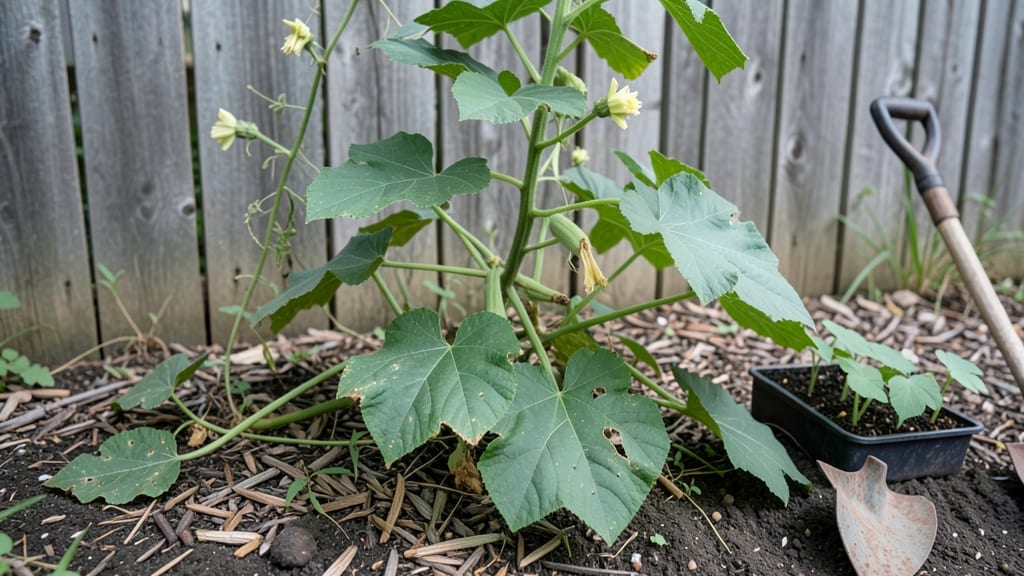
Finding luffa seeds nearby that grow into those prized natural sponges 🍈 is easier than you think—if you know where to look.
Struggling to find high-quality luffa seeds nearby that grow into those coveted natural sponges? Many gardeners wait months for online orders or settle for slow-growing varieties, but there’s a smarter way.
This spring-planted vine thrives in USDA Zone 6a and beyond, offering edible fruit and sustainable sponges—once you get the right seeds. Whether you’re in a bustling city or a rural area, I’ll show you exactly where to source fast-growing varieties without the wait.
From local nurseries to trusted online retailers, you’ll learn how to pick the best seeds for your climate, maximize growth speed, and turn your harvest into everything from kitchen sponges to decorative pieces.
Best local & online sources for fast-growing Luffa seeds nearby
Finding high-quality luffa seeds nearby can feel like searching for a needle in a haystack—but it doesn’t have to be! Whether you’re after fast-maturing varieties or organic heirloom seeds, knowing where to look saves time and money.
I’ve scoured the best local nurseries, online seed banks, and regional specialists to bring you a curated list tailored for U.S. gardeners.
From organic-certified options to disease-resistant hybrids, these sources prioritize speed and yield, so you can start harvesting your natural sponges in as little as 90 days.
If you’re short on time or prefer local support, farmers’ markets and specialty nurseries often carry regionally adapted luffa seeds that thrive in your climate. For rare varieties or bulk orders, online retailers offer unmatched selection—just watch for shipping times.
Below, I’ve organized the best sources by type, including filters for organic, heirloom, and fast-growing varieties, so you can skip the guesswork and get planting.
For fastest results, prioritize hybrid varieties like 'Luffa aegyptiaca' from Burpee, which matures in just 85 days. If you’re growing for organic sponges, Baker Creek’s Egyptian Luffa is a top pick—though it takes slightly longer at 120 days.
Pro tip: Call your local nursery 2-3 weeks before planting season to reserve seeds, as popular varieties sell out quickly.
Don’t overlook farmers’ markets for heirloom luffa seeds! Vendors often carry Chinese Okra or Tiger Luffa, both of which thrive in warm climates. Ask growers about their harvest timelines—some even sell pre-sprouted seeds for a head start.
Just be prepared to pay a premium for organic-certified or disease-resistant strains.
Online retailers like Seed Savers Exchange are goldmines for open-pollinated varieties, which you can save and replant year after year. Their Japanese Luffa is a fan favorite for its large sponge yield and adaptability to USDA Zone 7+.
Always filter for fast-maturing options in their catalog—it’s the easiest way to cut your harvest wait time by 30%.
If you’re in a cooler climate (
How to choose Luffa seeds for maximum growth speed & yield
Selecting the right luffa seeds can cut your harvest time by 30-50 days. Fast-growing varieties like Luffa aegyptiaca mature in just 30-60 days, while traditional types take 120-180 days.
The key lies in understanding maturity timelines, disease resistance, and seed source reliability—especially when sourcing luffa seeds nearby.
Not all seeds deliver equal results. Heirloom varieties often outperform hybrids in yield and fiber quality, but require longer growing seasons. If you're in USDA Zone 6a or warmer, prioritize early-maturing strains like 'Chinese Okra' or 'Egyptian Luffa' to avoid frost damage.
Always verify the seed packet's maturity date—this single detail can mean the difference between a summer harvest and a winter wait.
| Variety | Days to Maturity | Disease Resistance | Best For |
|---|---|---|---|
| Luffa aegyptiaca (Egyptian) | 30-60 days | High (powdery mildew) | Fast sponges, warm climates |
| Luffa acutangula (Chinese Okra) | 60-90 days | Moderate (root rot) | Edible fruit, trellises |
| Luffa cylindrica (Ridge Gourd) | 120-150 days | Low (fungal diseases) | Large sponges, long seasons |
*Compare varieties based on your local climate and harvest goals.
When buying luffa seeds nearby, always check the seed source's reputation. Local nurseries often carry regionally adapted strains that thrive with minimal care. For example, Southern Exposure Seed Exchange specializes in heat-tolerant varieties, while Baker Creek Heirloom Seeds offers rare, open-pollinated types with superior fiber.
Avoid seeds from unknown sellers—low germination rates or contaminated batches can derail your entire harvest.
Climate adaptability is non-negotiable. If you're in a short-season zone, opt for 30-60 day varieties like Luffa aegyptiaca. These thrive in USDA Zones 8-11 and produce high-quality sponges even in limited growing windows.
For cooler regions (Zones 6-7), choose disease-resistant hybrids and extend the season with row covers or greenhouses.
Pro tip: Look for organic-certified seeds to avoid chemical residues in your soil. Brands like High Mowing Organic Seeds guarantee non-GMO, untreated seeds that perform just as well as conventional types.
Pair your seeds with compost-rich soil and a trellis system—this combo boosts growth speed by 20% and increases yield per vine.
Don’t overlook seed packet details. Terms like "open-pollinated" or "heirloom" indicate you can save seeds for future seasons. Hybrid varieties, while faster, often produce infertile seeds, forcing you to repurchase annually. Balance speed and sustainability by selecting seeds that align with your long-term gardening goals.