
Watering
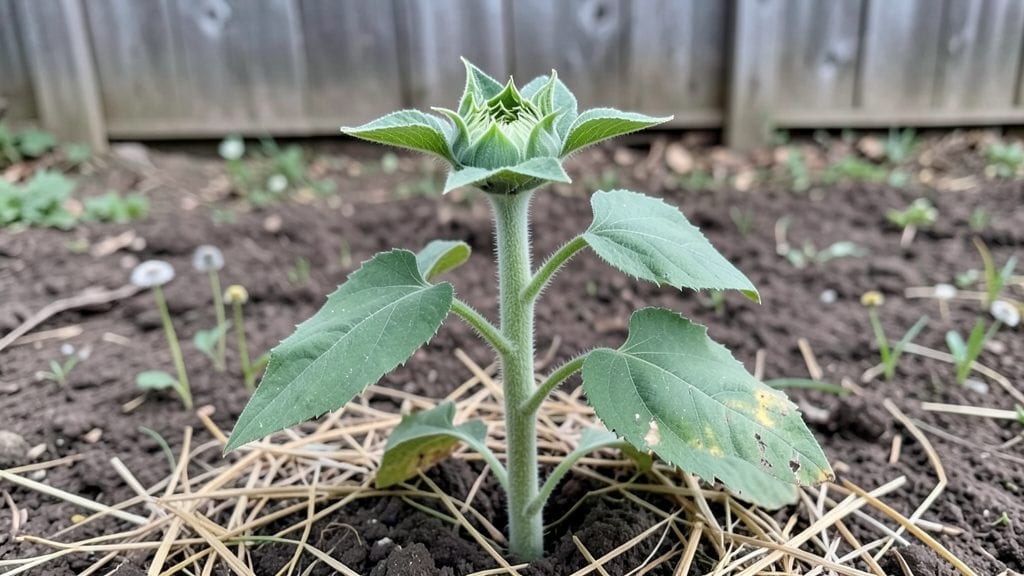
Growing a mammoth sunflower seedling starts with a secret: cold-stressed roots actually make those towering stems stronger. 🌱 I learned this the hard way after my first seedlings stretched weak and leggy—until I adjusted the soil temperature and watering.
The key isn’t coddling them but giving them the right chill to build resilience before they shoot skyward.
You’ll need a deep container (at least 12 inches tall), well-draining soil mix, and a sunny spot that gets 6+ hours of light daily. Mammoth varieties like ‘Russian Giant’ need space—think 6 feet apart eventually—but their roots crave cool soil (50-60°F) for the first few weeks.
Overwatering here is the real enemy, as soggy soil invites rot before the plant even thinks about growing tall.
Within 3-4 weeks, you’ll see those first true leaves appear, followed by rapid growth once temperatures warm. The trick is keeping the base sturdy: stake them early (even at 18 inches tall) to prevent flopping, and water deeply but infrequently—about 1 inch per week once established.
The payoff? Sunflowers that reach 12+ feet with blooms wide enough to hide behind.
This method works in zones 3-10, though timing matters—start seeds indoors 4-6 weeks before your last frost, or direct-sow after soil warms to 55°F. The cold-stress technique isn’t just for show; it’s what turns floppy stems into sky-piercing giants. Ready to grow one that makes your neighbors do a double-take?
📚 In This Guide
- What you need
- Instructions
- Tips and common mistakes
- Wrapping up and next steps
What you need
- ● Mammoth sunflower seeds: 3–5 seeds (choose cold-hardy varieties like Russian Giant or Mammoth for resilience).
- ● Large containers: 5–7 gallon pots or a deep seedling tray (minimum 12" deep) with drainage holes.
- ● High-quality potting mix: 5–10 gallons of well-draining, nutrient-rich soil (add perlite or vermiculite for aeration).
- ○ Cold frame or greenhouse setup: Optional but ideal for extending the growing season (e.g., a mini greenhouse or cold-resistant cloche).
- ● Grow lights or sunny windowsill: A 12–16 hour light source (LED grow lights work best for early seedlings).
- ● Watering can or spray bottle: For gentle hydration (avoid overwatering!).
- ○ Plant heat mat (optional): Helps maintain soil warmth (70–75°F) if starting indoors early.
- ● Trowel or planting dibber: For precise seed placement.
- ● Fertilizer: Slow-release granular fertilizer (10-10-10 ratio) or liquid seaweed extract for cold-stressed roots.
- ● Mulch (straw or shredded leaves): Protects seedlings from temperature swings.
- ● pH test kit: Ensures soil pH is 6.0–7.0 (sunflowers prefer slightly acidic to neutral soil).
Step-by-Step instructions for growing cold-stressed mammoth sunflower seedlings
Here’s how to give your sunflower seedlings the chilly start they need for those legendary 12-foot stems.
🌱 Step 1: Start Seeds Indoors in a Cool Environment
Fill your seed-starting containers with sterile seed-starting mix and moisten it until damp but not soggy. Plant 2-3 seeds per cell at a depth of ½ inch—deeper than most seeds, because mammoth sunflowers need strong taproots. Press them lightly into the soil and cover with a thin layer of additional mix.
Place the containers in a spot where temperatures stay between 55-65°F—cooler than usual for sunflowers. I like to set mine on a cool windowsill or in a basement with a grow light. Keep the soil consistently moist but never waterlogged, as cold stress slows germination. You’ll see sprouts in 7-14 days, but don’t rush—patience here pays off with stronger roots.
⏰ Step 2: Harden Off Seedlings Gradually in Cool Weather
Once seedlings have 2-3 true leaves, begin hardening them off by moving them outdoors for 1-2 hours daily in a sheltered spot. Start with partial shade and gradually increase their exposure to sunlight over 7-10 days. The goal is to let them adjust to cooler nighttime temperatures while avoiding sudden shocks.
Watch for signs of stress—wilting or yellowing leaves mean they’re not ready yet. If frost threatens, bring them back inside immediately. Mammoth sunflowers thrive when their roots experience a brief cold snap before the growing season heats up, so don’t skip this step. You’ll know they’re ready when they bounce back quickly after outdoor exposure.
☀️ Step 3: Transplant into the Garden After Last Frost
Wait until after your last frost date to transplant, but don’t delay too long—mammoth sunflowers grow fastest when days are warm. Dig holes twice as deep as the root ball to encourage deep root growth, which supports those towering stems. Space plants 2-3 feet apart in rows 3 feet apart to give them room to stretch.
Water deeply at planting to settle the soil and help roots establish. Mulch around the base with 2-3 inches of organic mulch to retain moisture and regulate soil temperature. The first few weeks are critical—keep the soil consistently moist but avoid overwatering, as soggy roots invite rot. You’ll see rapid growth once temperatures rise above 60°F.
💧 Step 4: Maintain Moisture and Support for Towering Growth
Mammoth sunflowers need 1-2 inches of water per week, especially during dry spells. Water at the base in the morning to reduce evaporation and fungal risks. As stems reach 3-4 feet tall, add a sturdy stake or cage to prevent toppling in wind or rain. I like to tie stems loosely to the support with soft plant ties, adjusting as they grow.
Fertilize lightly once a month with a balanced 10-10-10 fertilizer to encourage strong, steady growth. Avoid heavy nitrogen—it promotes leafy growth at the expense of those iconic blooms. Watch for signs of nutrient deficiency, like yellowing leaves, and adjust accordingly. With proper care, your seedlings will reward you with stems that reach for the sky.
Tips & tricks for growing cold-stressed mammoth sunflower seedlings
A few key strategies will help you grow those legendary 12-foot stems by leveraging cold stress and proper care.
Temperature Control in Step 1: The 55-65°F range is critical for cold stress—this mimics natural conditions and strengthens roots. If your home stays warmer than 65°F, move containers to a basement or garage with a grow light. I've seen seedlings develop stronger taproots when kept at the cooler end of this range (closer to 55°F) for the first week.
Harden Off Gradually in Step 2: Those 1-2 hours daily in Step 2 are non-negotiable for toughening seedlings. Start with just 30 minutes in partial shade, then increase by 30 minutes each day. I've seen seedlings bolt or develop weak stems when rushed through this process. Watch for leaves that bounce back within 15 minutes after returning indoors—this means they're ready for more sun.
Transplanting Depth in Step 3: Digging holes twice as deep as the root ball creates the perfect environment for mammoth sunflowers to develop those legendary taproots. If your soil is heavy clay, consider mixing in some compost to improve drainage while maintaining that deep planting depth. The extra depth encourages roots to grow downward rather than spreading out.
Watering Strategy in Step 4: The 1-2 inches per week guideline is ideal, but morning watering is key. Watering at the base prevents fungal diseases that thrive in wet foliage. I've found that mulching with 2-3 inches of organic material helps maintain consistent moisture while keeping roots cool—especially important when temperatures rise above 60°F.
Pro Tips for Mammoth Sunflower Seedling
- A few key strategies will help you grow those legendary 12-foot stems by leveraging cold stress and proper care.
- Temperature Control in Step 1: The 55-65°F range is critical for cold stress—this mimics natural conditions and strengthens roots.
- Harden Off Gradually in Step 2: Those 1-2 hours daily in Step 2 are non-negotiable for toughening seedlings.
Frequently asked questions
How cold is too cold for mammoth sunflower seedlings?
Mammoth sunflowers tolerate light frost (down to 28°F/-2°C) once established, but seedlings need warmth (50°F/10°C+) to sprout. Use row covers or start indoors 2–3 weeks before last frost. Cold-stressed roots slow growth—so keep them cozy!
Why are my seedlings wilting even after watering?
Overwatering or poor drainage can suffocate roots. Check soil moisture 1–2 inches deep—it should feel damp, not soggy. Mammoth sunflowers need 1–1.5 inches of water weekly, but adjust for clay/rocky soil. If wilting persists, repot with fresh, airy mix.
How long until my mammoth sunflower reaches full height?
From seed to towering giant (10–14 feet!) takes 90–120 days. Early growth is slow—focus on strong roots first. Cold-stressed seedlings may lag, but consistent warmth and sunlight speed things up. Patience pays off with gigantic blooms!
Can I grow mammoth sunflowers in containers?
Yes! Use a 5-gallon+ pot with drainage holes and deep, nutrient-rich soil. Container-grown sunflowers need daily watering and staking (they top-heavy!). Expect slightly smaller heights (6–8 feet) but stunning blooms. Rotate pots for even sunlight.
What pests target mammoth sunflower seedlings?
Watch for aphids, cucumber beetles, and slugs. Spray seedlings with neem oil or insecticidal soap early. Mulch with straw to deter slugs. Healthy roots = resilient plants! For severe infestations, handpick pests or use row covers until seedlings harden.
Wrapping up and next steps
Growing a mammoth sunflower seedling from cold-stressed roots is a rewarding challenge that pays off with breathtaking height and resilience! 🌱 By understanding the right materials, watering techniques, and troubleshooting tips, you’ve got everything you need to nurture a sunflower that could reach the sky.
Remember, patience and consistency are your best allies—just like the roots pushing through tough conditions.
Now that you’re armed with knowledge, it’s time to take action. Grab your seedling, adjust your watering schedule, and watch it thrive! Whether you’re a seasoned gardener or a curious beginner, every small step brings you closer to that stunning, towering bloom. Happy growing! 🌻