
Watering
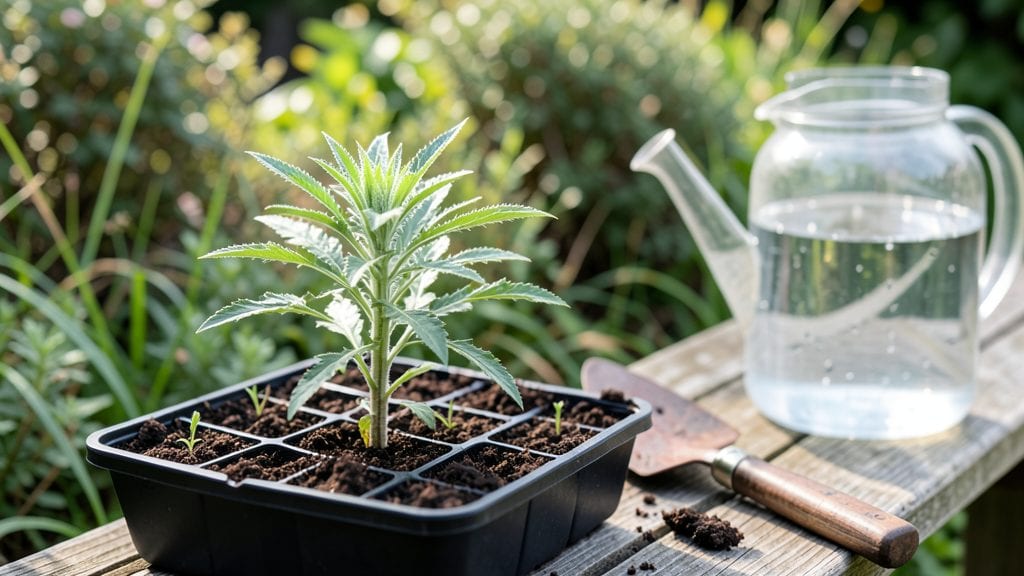
Dealing with a Canada thistle seedling means acting fast before it becomes a full-blown infestation. 🌱 These aggressive weeds spread through deep roots and prolific seeds, making them one of the toughest challenges for any gardener.
I’ve spent years battling them in my own yard, and I’ve learned the right techniques can stop them before they take over.
The key is removing the entire root system—even a small piece left behind can regrow. Manual methods like digging or pulling work best when the soil is moist, but you’ll need persistence. For larger patches, targeted herbicides can help, though they require careful application to avoid harming nearby plants.
Prevention is equally critical: regularly inspecting your garden and removing seedlings early saves countless hours of cleanup later.
With the right approach, you’ll reclaim your garden space without relying on harsh chemicals. The satisfaction of seeing your lawn or garden free from these stubborn weeds is well worth the effort. Here’s how to tackle them systematically and keep them from spreading.
This method works for both small backyard patches and larger agricultural areas, though timing and technique adjust based on the scale. The sooner you act, the easier the eradication becomes—so don’t wait until the thistles dominate your space.
How Stubborn Seedlings Take Root
Canada thistle seedlings don’t just pop up—they invade with a mix of biology, timing, and environmental luck. Understanding why these tenacious plants thrive in your yard or farmland is the first step to stopping them.
Below, we break down the key reasons these seedlings gain a foothold, from their sneaky life cycle to how they outsmart traditional control methods.
🌱 Nature’s Stealth Seed Dispersal
Canada thistle (Cirsium arvense) doesn’t rely on flashy flowers or animal friends to spread—it’s a master of passive persistence. Each plant produces hundreds to thousands of tiny, windborne seeds, each weighing less than a grain of sand.
These seeds can travel up to 3 miles on gusts of wind, landing in cracks, bare soil, or even disturbed ground. Once settled, they germinate quickly when conditions are right, creating dense patches that crowd out native plants.
Why it matters: A single mature thistle can seed for 5–10 years, ensuring a constant supply of new invaders. Even if you remove the plant above ground, buried seeds in the soil bank can wait up to 10 years for the perfect moment to sprout.
🌡️ Perfect Germination Conditions
Canada thistle seedlings thrive in specific but common conditions that many gardeners or land managers overlook:
- Moisture: Seeds germinate best in well-drained but consistently moist soil—think spring rains, irrigation runoff, or compacted areas where water pools. Drought can delay germination, but once established, seedlings tolerate dry spells better than many crops.
- Temperature: Ideal germination occurs at 50–77°F (10–25°C). Cooler springs (like those in Canada’s Prairies or the Pacific Northwest) can trigger synchronous germination, meaning thousands of seeds sprout at once, overwhelming your control efforts.
- Light: Unlike some weeds, thistle seeds need sunlight to germinate. Disturbed soil—from tilling, construction, or even foot traffic—exposes buried seeds to light, signaling them to break dormancy.
Pro tip: If you’re dealing with a thistle patch, avoid tilling in early spring. This action can double the number of seedlings by bringing dormant seeds to the surface. Instead, use smothering mulch or targeted herbicides before germination peaks.
🦠 Deep, Resilient Root Systems
Most weeds die when you pull them—but not Canada thistle. Its vertical taproot can grow up to 15 feet deep, while horizontal creeping roots (called rhizomes) spread 10–15 feet laterally. When you cut or mow the plant, the roots regenerate new shoots from buds along their length.
Why seedlings win:
- Fragmentation: Even a 1-inch root piece left in the soil can sprout into a new plant. Plowing or disking can chop roots into these fragments, increasing the infestation.
- Chemical resistance: Thistle roots produce allelopathic compounds that suppress competing plants, giving seedlings a head start. Some studies show they’re also naturally resistant to certain herbicides due to their thick cuticle layer.
- Dormancy tricks: Roots can survive years of drought or freezing temps, then revive when conditions improve. This makes eradication a long-term battle, not a one-time fix.
Actionable insight: To break the cycle, you must starve the roots by preventing regrowth. Combine deep tillage (12+ inches) with herbicide applications timed to rhizome growth (late spring/early summer) for maximum impact.
🌾 Human Activities That Help Them Spread
Canada thistle doesn’t just spread on its own—human actions accelerate its takeover. Here’s how:
| Activity | How It Helps Thistle | How to Fix It |
|---|---|---|
| Mowing or haying infested fields | Spreads seeds via equipment and leaves root fragments to regrow. | Clean machinery thoroughly with a brush or pressure washer between sites. |
| Overgrazing by livestock | Reduces competition, allowing thistle to dominate. Animals avoid thistles, so they thrive in grazed pastures. | Use goat grazing (goats eat thistle!) or rotate livestock to break the cycle. |
| Improper composting | Thistle roots in compost can survive and spread to new garden beds. | Compost only seed-free thistle tops; bury roots deep in landfills or incinerate. |
| Fire suppression | Natural fires can reduce thistle populations, but suppressing fires lets them spread unchecked. | In some ecosystems, controlled burns (timed for late summer) can weaken roots. |
Key takeaway: Canada thistle exploits disruptions. The more you stabilize your soil (with cover crops, no-till, or diverse plantings), the harder it is for seedlings to take hold.
Eradicating Canada Thistle Seedlings
Canada thistle seedlings may seem small, but their deep, stubborn roots make them a persistent nuisance. The good news? With the right approach, you can tackle them effectively. Below are targeted solutions based on the root causes—whether it’s early detection, manual removal, chemical control, or long-term prevention.
Each method is designed to be practical, eco-friendly where possible, and tailored to your situation.
Cause: Seedlings go unnoticed until they’re established. Fix: Act fast before they spread.
- 🔍 Spot and Pull Early Canada thistle seedlings are small, rosette-shaped, and often appear in clusters. Check your yard, garden beds, and cracks in pavement weekly during growing season (spring to fall). The earlier you remove them, the less root system they’ll develop.
- 👨🍳 Hand-Pulling Technique - Best time: After rain or watering (soil is soft). - How: Grasp the seedling as close to the base as possible and pull upward with a firm, steady motion.
If the root breaks, dig deeper to remove any remaining fragments. - Pro tip: Wear gloves—thistle sap can irritate skin!
- 🔪 Tools for Stubborn Roots For deeper seedlings, use a dandelion weeder or hula hoe to slice through roots without disturbing surrounding soil. A hand trowel works for precise removal in garden beds.
Cause: Manual removal isn’t enough for dense infestations. Fix: Use targeted herbicides safely.
- 🌿 Selective Herbicides (Spot Treatment) Glyphosate-based herbicides (like Roundup) are effective but non-selective—they kill all plants. For precision, opt for 2,4-D or dicamba (common in brush killers). Apply on a dry, wind-free day to avoid drift. - How to apply: 1.
Mix herbicide with water as directed. 2. Use a pump sprayer for even coverage on leaves (avoid stems). 3. Reapply every 7–10 days until seedlings are fully browned.
- 🌱 Organic Alternatives - Vinegar + Soap Spray: Mix 1 gallon of vinegar (20% acetic acid) + 1 oz dish soap.
Spray directly on seedlings (repeat every 3–4 days). Note: This kills all plants in the area—use carefully! - Corn Gluten Meal: Apply pre-emergent in early spring to prevent seeds from germinating (best for prevention).
Cause: Recurring seedlings mean lingering roots or new seeds. Fix: Break the cycle with smart land management.
- 🌡️ Solarization (For Garden Beds) Cover infested soil with clear plastic sheeting for 4–6 weeks in peak summer sun. The heat kills seeds and roots without chemicals.
- Pro tip: Secure edges tightly to trap heat.
- 🎯 Mowing & Mulching
- Mow high (3–4 inches) to shade out new seedlings.
- Apply thick mulch (wood chips or straw) in garden beds to block light and suppress growth.
- 🚜 Soil Solarization or Tilling Till the soil deeply (6+ inches) in fall or early spring to expose and dry out roots. Repeat annually if needed.
- ⚠️ Warning: Tilling can spread seeds—only do this if you’ve already treated the area chemically.
- 🐝 Encourage Natural Predators Birds, insects, and livestock (like goats) can help reduce seed spread. Plant native wildflowers to attract beneficial species.
- 💡 Test Soil First: If your yard is heavily infested, test soil pH (Canada thistle thrives in 6.0–7.5 pH).
Adjusting pH with lime (to raise) or sulfur (to lower) can weaken their growth. - 🔥 Monitor & Repeat: Check treated areas monthly—new seedlings may sprout from missed roots or seeds. - 📅 Timing Matters: Treat in early spring or fall when thistles are young and vulnerable. - 🌿 Prevent Recontamination: Clean tools and shoes after working in infested areas to avoid spreading seeds.
Final Note: Consistency is key—Canada thistle won’t disappear overnight, but with combination methods (manual + chemical + prevention), you can regain control of your yard. Start small, stay vigilant, and soon you’ll see those stubborn seedlings become a thing of the past!
Frequently asked questions
How can I tell if a small plant is a Canada thistle seedling?
Look for clusters of tiny, rosette-shaped plants with jagged, spiky leaves growing close to the ground. Young seedlings have a purple or reddish tint and lack the tall, spiny stems of mature thistles. Check for hairy stems and lobed leaves—these are key identifiers.
Will pulling a Canada thistle seedling work, or will it regrow?
Pulling works only if you remove the entire root system—even a tiny fragment left behind can regrow. For best results, pull after rain when soil is moist, and use a tool like a dandelion weeder to dig deep. Wear gloves to avoid skin irritation from the sap.
Can I use household vinegar to kill Canada thistle seedlings?
Yes, but it requires 20% acetic acid vinegar (not the 5% store-bought kind). Mix it with dish soap and spray directly on seedlings. Repeat every 3–4 days until they wilt. Note: This kills all plants in the area, so use it carefully in gardens.
How long does it take to completely eradicate Canada thistle?
Eradication can take 1–3 years depending on the infestation size and methods used. Consistency is key—combine manual removal, herbicides (if needed), and prevention strategies like mulching or solarization for best results.
Are there animals that naturally control Canada thistle?
Goats are the most effective! They love eating thistle and can clear large patches quickly. Other helpers include birds (which eat seeds) and certain insects. Planting native wildflowers can also attract beneficial predators to your yard.