Lawn
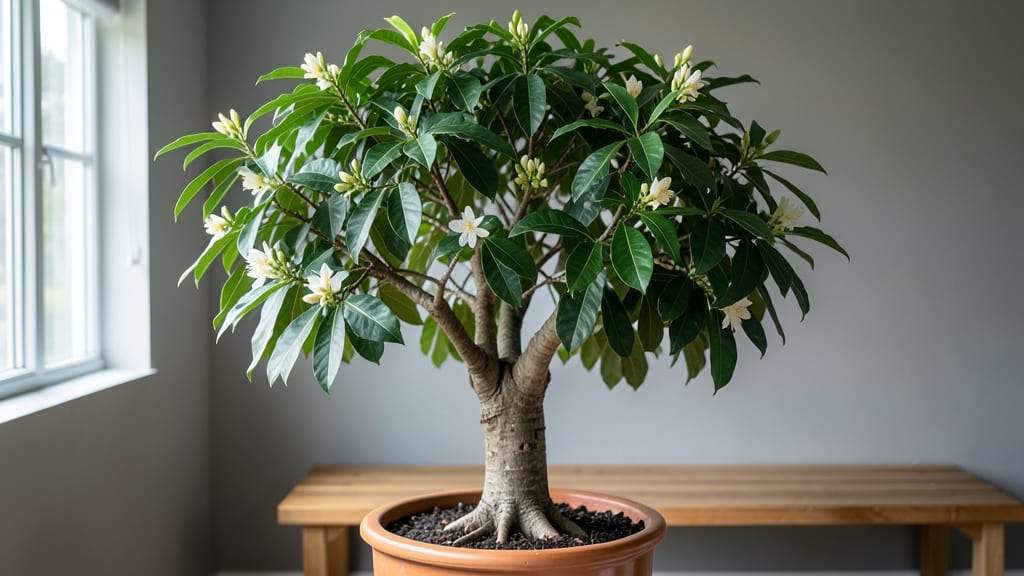
Mango seed shapes vary dramatically by variety, ranging from small, oval seeds in sweet varieties like Ataulfo to large, kidney-shaped seeds in tropical types such as Keitt. Seed size and form often correlate with fruit sweetness, texture, and growing conditions, making them key identifiers for gardeners and breeders.
Understanding mango seed shape can actually tell you a lot about the fruit's qualities before you even taste it.
For example, varieties with elongated seeds like the Haden tend to produce firmer flesh, while rounder seeds in Tommy Atkins often mean a slightly more fibrous texture. 🌱 This isn't just random—seed shape influences how the fruit develops, from water absorption to flavor concentration.
Gardeners use these traits to predict which trees will thrive in their climate or produce the sweetest fruit.
What's fascinating is how seed shape ties into pollination patterns. Larger seeds often come from varieties that rely on specific pollinators, while smaller seeds might indicate self-pollinating traits.
This means if you're growing mangoes from seed, the shape can hint at how easy (or difficult) it'll be to get fruit from that tree. For instance, Ataulfo's tiny oval seeds suggest it's more adaptable to different growing conditions than Keitt's bulky kidney-shaped seeds.
💡 In This Article
- How Seed Shape Reveals Mango Variety Traits
- Practical Guide: Using Seed Shape to Select Mango Trees
How seed shape reveals mango variety traits
The seed's role in a mango isn't just about what's inside—it's a window into the fruit's entire genetic blueprint. Take the Tommy Atkins variety, where seeds are typically round and 1.5-2 inches long with a smooth, glossy surface.
This compact shape correlates with a thicker pericarp (fruit wall) and a slightly firmer, more fibrous flesh. The reason? Round seeds often come from trees that prioritize structural integrity over rapid water absorption, which means the fruit stays firmer longer during transport—a trait commercial growers value.
On the opposite end, varieties like Haden feature elongated, 2.5-3 inch seeds with a more tapered shape. These seeds are linked to fruits with 20-30% less fiber and a creamier texture because the tree's energy focuses on flesh development rather than structural support.
The science here involves water distribution: elongated seeds create micro-channels in the fruit that allow even moisture spread, preventing dry pockets. This is why Haden mangos often have that signature buttery mouthfeel. 🌱
Seed thickness also plays a crucial role in flavor intensity. Thicker seeds, like those in the Keitt variety, signal a fruit with concentrated sugars because the tree invests more energy in seed protection, leaving less for fruit development.
That's why Keitt mangos often have that bold, tropical sweetness—up to 22% sugar content—compared to varieties with thinner seeds. The trade-off? Thicker seeds mean less edible flesh per fruit, which is why commercial growers balance these traits based on market demands.
Pollination patterns further explain these differences. Varieties with larger seeds, like the Kent, often require cross-pollination from specific insect vectors, which is why you'll rarely find pure Kent trees in home gardens. Their seed shape reflects a co-evolution with pollinators that deliver precise genetic diversity.
Meanwhile, smaller-seeded varieties like Ataulfo can self-pollinate, making them ideal for backyard growers. The seed's shape here acts as a biological marker for reproductive strategy.
What most people don't realize is how seed shape affects ripening rates. Round seeds create a more uniform pressure distribution within the fruit, leading to even ripening from the center outward.
Elongated seeds, however, cause uneven stress points that can create the classic "shoulder ripening" pattern seen in Haden mangos—where the fruit softens first at the stem end. This isn't just visual; it impacts flavor development, as enzymes concentrate differently in these pressure zones.
For gardeners, this means seed shape can predict not just taste but also growing challenges. Varieties with large, thick seeds often struggle in humid climates because their protective layers retain too much moisture, increasing fungal risks. Meanwhile, compact seeds like Ataulfo's thrive in these conditions by allowing better air circulation.
The key is matching seed morphology to your local microclimate—a detail that can mean the difference between a thriving tree and a failed crop. ✨