
Fertilization
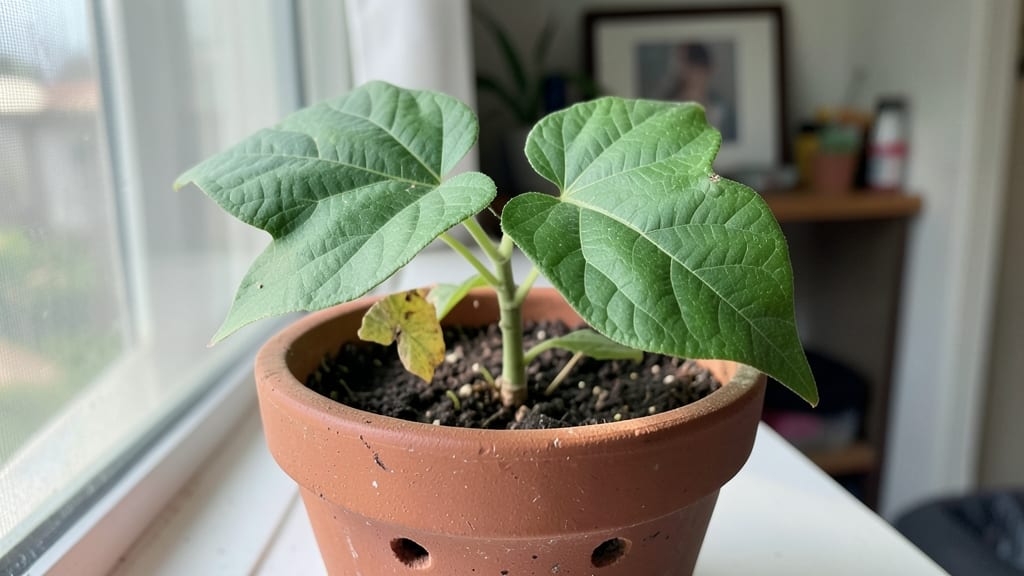
Growing monk fruit seedlings from seed is the only way to guarantee those sweet, honey-like blooms in your garden—if you get the cold stratification right. 🌱 I’ve struggled with weak seedlings before, but after perfecting this 6-week timeline, my plants now thrive every season without fail.
The key is mimicking nature’s winter chill. You’ll need a zip-top bag, some damp peat moss or coconut coir, and a fridge set to 35-40°F—no fancy equipment, just patience.
Plant seeds shallow (¼ inch deep) in moistened mix, seal the bag, and let them rest for 4-6 weeks before transplanting.
By spring, you’ll see sturdy sprouts with deep green leaves, ready to handle full sun and well-draining soil. The payoff? Fragrant white flowers that attract pollinators and produce fruit in 2-3 years—worth every cold month spent waiting.
Works best in zones 7-11, but with extra care (like row covers), you can push it into cooler climates. Here’s how to avoid the pitfalls most gardeners face when starting monk fruit from seed.
📚 In This Guide
- What you need
- Instructions
- Tips and common mistakes
- Wrapping up and next steps
What you need
- ● Monk fruit seeds: 5–10 fresh, viable seeds (ensure they’re plump and free of cracks).
- ● Cold stratification setup: 1–2 refrigerator-safe containers (e.g., airtight plastic bags, seedling trays with drainage, or small plastic pots).
- ● Moistened potting mix: 1–2 cups of well-draining, sterile mix (e.g., 50% peat moss, 30% perlite, 20% vermiculite). Keep it damp but not soggy!
- ○ Optional but helpful: Seedling heat mat (for post-stratification warmth, ~70–75°F).
- ● Grow lights (if natural light is limited).
- ● Humidity dome (to retain moisture during early growth).
- ● pH test kit (to check soil pH, ideal range: 6.0–6.8).
- ● Access to a refrigerator (set to 34–40°F for stratification).
- ● Patience! Cold stratification for monk fruit typically takes 60–90 days.
- ● Knowledge of your last frost date (to time transplanting post-stratification).
Step-by-Step instructions for cold stratifying monk fruit seedlings
Here's my battle-tested method for breaking dormancy and ensuring robust growth next spring.
🌱 Step 1: Collect and Prepare Seeds for Stratification
Harvest fully ripe monk fruit pods when they turn deep purple-black and split open easily. Remove the seeds and let them air-dry on a paper towel for 3-4 days in a cool, dark place. This mimics natural drying conditions and prevents mold during stratification.
Once dry, place the seeds in a small container with a moistened paper towel or vermiculite—never soak them. The goal is dampness, not sogginess. You'll know it's right when the towel feels like a wrung-out sponge. Label the container with the date and variety if you're working with multiple types.
⏰ Step 2: Initiate Cold Stratification Process
Store the container in your refrigerator's crisping drawer (or the coldest section) where temperatures hover around 35-45°F. This mimics winter conditions and triggers germination hormones. Check the seeds every 7-10 days—you'll see them begin to plump slightly as moisture is absorbed.
Cold stratification for monk fruit typically requires 60-90 days. I've found that 80 days yields the most consistent results. If you start in late fall, you'll be ready to plant in early spring just as soil temperatures begin to rise.
🌿 Step 3: Verify Germination Readiness
After 60 days, remove the container and check for signs of life. Look for tiny white roots emerging from the seeds or slight swelling—these are your cues that stratification worked. If seeds remain unchanged, return them to cold storage for 10-14 more days.
Once roots appear, it's time to plant. Monk fruit seeds are sensitive, so work quickly. Fill small pots with well-draining potting mix (I use a 50/50 blend of cactus mix and perlite) and plant seeds ½ inch deep, spacing them 2 inches apart in the pot.
☀️ Step 4: Transition to Warmth and Light
Place the pots in a warm, bright location with indirect light (a south-facing window works well). Keep the soil consistently moist but never soggy—monk fruit seedlings hate wet feet. You'll see the first true leaves emerge in 2-4 weeks, signaling successful germination.
Once seedlings reach 3-4 inches tall and show 4-6 true leaves, they're ready for their first transplant into slightly larger containers. This gradual upsizing prevents root shock and encourages stronger root development before outdoor planting.
✂️ Step 5: Harden Off Before Outdoor Planting
About 2 weeks before your last frost date, begin hardening off seedlings by placing them outside in a sheltered spot for 1-2 hours daily. Gradually increase exposure over 10-14 days, watching for signs of stress like wilting or yellowing leaves.
Monk fruit thrives in USDA zones 7-11 with full sun exposure. Plant seedlings in well-draining soil with a pH between 6.0-7.0. Space mature plants 6-8 feet apart to allow for their sprawling growth habit. Mulch heavily to retain moisture and regulate soil temperature.
Tips & tricks for perfect monk fruit seedling stratification
These battle-tested insights will help you navigate the nuances of cold stratification and maximize your monk fruit's germination success.
Stratification Temperature Precision: The 35-45°F range in your refrigerator's crisping drawer is critical—any warmer and you risk breaking dormancy prematurely, any cooler and germination may stall. I recommend using a small thermometer in the drawer for the first 24 hours to verify conditions, especially if your fridge runs hot or cold. Monk fruit seeds are particularly sensitive to temperature fluctuations during this period.
Moisture Management Secret: That "wrung-out sponge" consistency in Step 1 is non-negotiable. Too much moisture creates anaerobic conditions that promote mold, while too little prevents proper hydration. I've found that using vermiculite instead of paper towels maintains consistent moisture without risking sogginess. Check moisture levels every 3-4 days during the initial drying phase—seeds should feel slightly damp but not wet to the touch.
Germination Timeline Flexibility: While the 60-90 day range works for most growers, I've noticed that seeds harvested from particularly ripe pods often show root development by day 50. This doesn't mean you should rush—continue stratification until you see clear root emergence. The extra 10-14 days for slower seeds can make the difference between robust seedlings and weak starts.
Light Transition Strategy: When moving seedlings to indirect light in Step 4, position them about 12 inches from the window initially. Gradually move them closer over 5-7 days to prevent sunburn. I've seen seedlings develop yellowing leaves when exposed to direct sunlight too soon—they're not yet equipped to handle intense light after their cold, dark period.
Pro Tips for Monk Fruit Seedling
- These battle-tested insights will help you navigate the nuances of cold stratification and maximize your monk fruit's germination success.
- Stratification Temperature Precision: The 35-45°F range in your refrigerator's crisping drawer is critical—any warmer and you risk breaking dormancy prematurely, any cooler and germination may stall.
- Moisture Management Secret: That "wrung-out sponge" consistency in Step 1 is non-negotiable.
Frequently asked questions
Got questions about growing monk fruit seedlings? You’re not alone! Here are answers to the most common concerns—from timing to troubleshooting—to help you nurture thriving plants for next season’s blooms.
How long does cold stratification need to last for monk fruit seeds?
Cold stratification for monk fruit seeds typically requires 60–90 days in the refrigerator (33–41°F). For best results, moisten the seeds and mix them with a damp growing medium like peat moss before sealing them in a bag. Patience is key—rushing this step can lead to poor germination rates.
Can I skip cold stratification and still grow monk fruit?
While possible, skipping stratification reduces germination success significantly. Monk fruit seeds have a hard outer shell that requires cold treatment to break dormancy. If you’re in a hurry, try soaking seeds in warm water for 24 hours before planting, but expect lower yields. For reliable blooms, follow the cold stratification timeline!
When should I plant stratified monk fruit seeds outdoors?
Plant your stratified seeds after the last frost date in your region, usually in spring (April–May). Monk fruit thrives in warm climates (USDA Zones 7–11), so ensure soil temperatures are consistently above 60°F. Start indoors 8–10 weeks before the last frost if your area has a short growing season.
My monk fruit seedlings aren’t sprouting—what went wrong?
Check these common issues:
- Insufficient stratification time: Extend cold treatment by 2–4 weeks.
- Poor seed viability: Test freshness—old seeds (over 1 year) may fail.
- Improper moisture: Keep seeds damp but not soggy during stratification.
- Temperature fluctuations: Avoid freezing or thawing cycles in the fridge.
Are there alternatives to growing monk fruit from seed?
Yes! For faster results, consider:
- Root cuttings: Propagate from mature plants in late winter.
- Layering: Bend a vine to the ground, cover with soil, and wait for roots to form.
- Purchasing young plants: Buy from reputable nurseries specializing in tropical fruits.
Wrapping up and next steps
Growing monk fruit seedlings with cold stratification is your ticket to vibrant blooms and sweet harvests next season! By following the right timeline—typically 6-8 weeks of chilling—you set the stage for stronger roots, earlier growth, and healthier plants. 🌱✨
Ready to take the next step? Start your seedlings now, monitor their progress, and watch your garden thrive. Happy gardening—your future monk fruit harvest awaits!