
Lawn
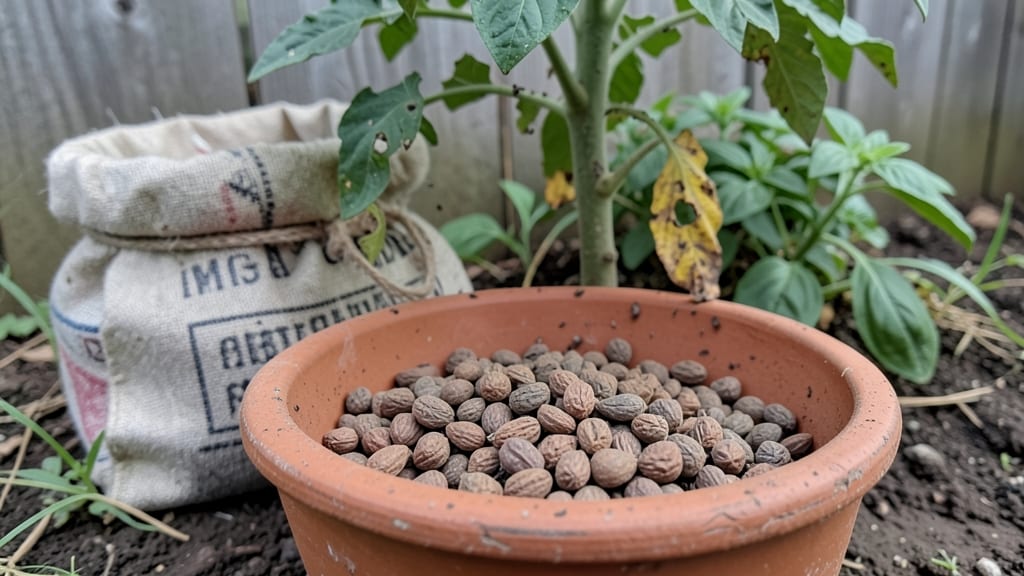
The oldest seed companies date back to the 18th century, with Burpee Seeds (founded 1876) and W. Atlee Burpee & Co. standing as the most iconic, offering heirloom and rare plant varieties for over a century.
The roots of these historic seed businesses stretch back to a time when gardening was both necessity and passion. 🌱 Burpee's early catalogs revolutionized home gardening by making exotic seeds accessible to everyday farmers and hobbyists alike.
Their legacy lives on today through modern seed banks that preserve biodiversity—something especially valuable for gardeners seeking unique, disease-resistant plants.
What makes these companies so enduring is their commitment to preserving genetic diversity. Many heirloom varieties from Burpee’s archives are now prized for their flavor, hardiness, and historical significance.
For example, their 19th-century tomato seeds produce fruits with flavors modern hybrids often lack. This dedication to heritage seeds continues to inspire both amateur gardeners and professional agronomists.
💡 In This Article
- Tracing the Origins of Historic Seed Companies
- Where to Buy Authentic Heirloom Seeds Today
Tracing the origins of historic seed companies
Before the 19th century, seeds were primarily exchanged through local markets, monastic gardens, and colonial trade networks.
The shift toward commercial seed companies began when entrepreneurs recognized gardening as a mass-market hobby rather than just agricultural necessity. W. Atlee Burpee launched his mail-order seed business in 1876—a revolutionary move that democratized access to diverse plant varieties.
His first catalog featured 100+ varieties, including exotic tomatoes and rare flowers, which sold for $0.10-$0.50 per packet—a small fortune for the average household at the time.
The real innovation lay in Burpee's distribution model: printed catalogs with detailed growing instructions, shipped nationwide via railroads.
This transformed gardening from a regional practice into a nationwide passion. 🌿 What made Burpee's approach unique was his focus on heirloom seeds—open-pollinated varieties that could be saved and replanted, unlike hybrid seeds that dominated later.
His 1893 World's Columbian Exposition exhibit showcased 1,500 plant varieties, proving the commercial viability of seed diversity.
These early companies played a crucial role in agricultural science too. Burpee collaborated with botanists to introduce disease-resistant strains of potatoes and corn, helping farmers combat blights that threatened their livelihoods. His 1903 "Seed Growers' Handbook" became a standard reference, blending practical advice with cutting-edge horticulture.
This fusion of commerce and science laid the foundation for modern seed banks and genetic preservation efforts.
What's often overlooked is how these companies shaped cultural identity. Burpee's catalogs featured not just seeds but aspirational imagery—victorian-era gardens with perfect rows of vegetables and vibrant flowers. This visual storytelling created a romanticized vision of gardening that persists today.
The company's 1920s radio ads further cemented its legacy, making seed shopping feel like a patriotic duty during wartime food shortages.
Another key milestone was the 1930s introduction of hybrid seeds, which promised higher yields but required annual purchases. While this shifted consumer habits, legacy companies like Burpee maintained their focus on open-pollinated varieties—a niche that now enjoys a renaissance among organic farmers and seed savers.
The contrast between these two approaches highlights the enduring debate over agricultural autonomy vs. corporate dependency in modern farming.
Today, Burpee's archives contain over 1,000 historic seed varieties, some dating back to the 1700s.
These aren't just relics—they represent living genetic libraries that help scientists breed crops resilient to climate change. 🌱 The company's transition from 19th-century catalogs to today's digital platforms shows how seed companies have continually adapted while preserving their core mission: connecting people with the plants that sustain them.