
Shrubs
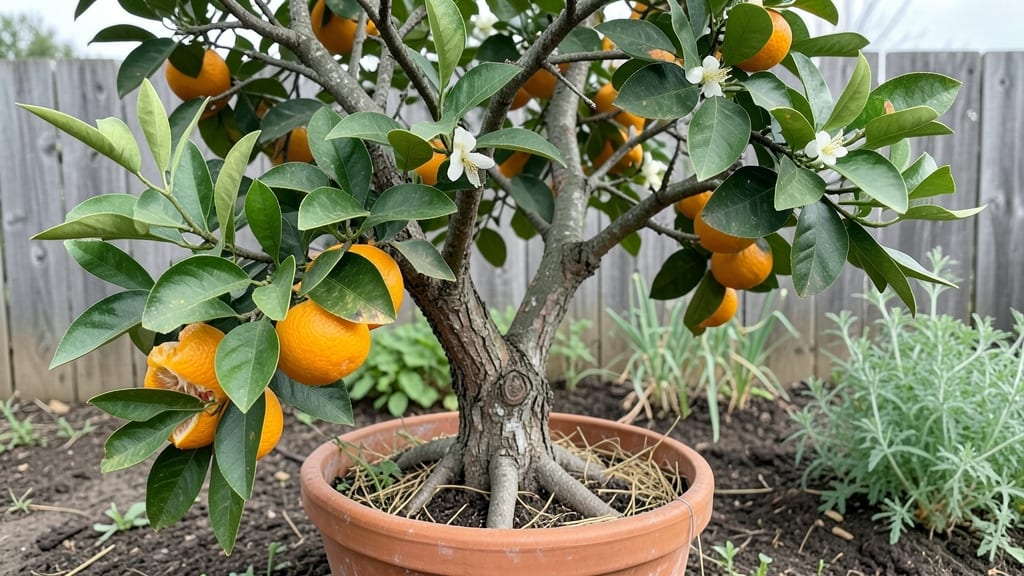
Finding orange fruit with red seeds inside can feel alarming at first glance, but it’s actually a fascinating quirk of certain citrus varieties. 🌱 I’ve seen this in my own Meyer lemon trees and a few specialty oranges—it’s not a sign of disease or poor care, just a genetic trait that makes the fruit stand out on the counter.
The red seeds come from a natural variation where the seed coat develops extra pigment, often due to environmental factors like sunlight exposure or temperature shifts during fruit development. These fruits are perfectly safe to eat, though the seeds themselves are bitter and inedible.
The plant’s health isn’t affected either—it’s just nature’s way of adding a little drama to your harvest.
If you’re curious, try growing a few specialty citrus varieties like ‘Red Ruby’ grapefruit or ‘Blood Orange’—they’re bred to have deep red flesh and sometimes red-tinged seeds. The flavor stays rich and sweet, just with a stunning visual twist.
For troubleshooting, simply check for pests or unusual leaf spots, but red seeds alone aren’t cause for concern.
This quirk is more common in heirloom or hybrid citrus, so if you’re growing standard varieties, it might just be a happy surprise. Either way, your fruit is still delicious—just a little more photogenic than usual. Here’s what to watch for next season to spot more of these striking finds.
📚 In This Guide
- What you need
- Instructions
- Tips and common mistakes
- Wrapping up and next steps
What you need
- ● Citrus fruits with red seeds: Oranges like Blood Oranges, Mandarins, or Clementines (at least 3-5 for identification or tasting).
- ● Knife or peeler: A sharp, serrated knife or a citrus peeler to safely slice open the fruit.
- ● Cutting board: A sturdy, non-slip board to protect your countertop.
- ○ Magnifying glass (optional): Helpful for closely examining seed color and fruit structure.
- ○ Measuring spoons/cups (optional): If you’re experimenting with recipes or juicing.
- ● Paper towels or strainer: For cleaning seeds or drying fruit slices.
- ○ Notebook or camera (optional): To document seed colors, rind texture, or growth stages if you’re a plant enthusiast.
- ● Seed-starting tray or small pots: 2-3 inch pots with drainage holes for germination.
- ● Well-draining potting mix: A blend designed for citrus or succulents (avoid heavy garden soil).
- ● Spray bottle: For gentle watering during the germination phase.
- ● Grow lights or sunny windowsill: Citrus seeds need 6-8 hours of light daily.
- ○ Humidity dome or plastic wrap (optional): To retain moisture while seeds sprout.
- ● Fertilizer (low-nitrogen, citrus-specific): Once seedlings are 3-4 inches tall.
- ● Zester or grater: To extract vibrant zest from the rind.
- ● Juicer or reamer: For extracting pulp without seeds (if desired).
- ● Mixing bowls and spoons: For blending into sauces, salads, or desserts.
- ○ Food processor (optional): For making marmalades or preserves.
- ○ Baking supplies (optional): Flour, sugar, or molds if crafting candied citrus or treats.
How to identify and use citrus varieties with red seeds
Not all citrus has white pith—here's how to spot the varieties with striking red seeds and use them effectively.
🌱 Step 1: Recognize the Right Fruit at the Grocery Store
Look for blood oranges, red grapefruit, or red-fleshed mandarins—these are the varieties with red seeds. The flesh near the seeds will have deep red or maroon streaks, not the pale yellow of standard oranges. Blood oranges often have a slightly sweeter, raspberry-like flavor that sets them apart.
Check the peel for a rich, deep color—true red-seeded citrus won’t be bright green or pale yellow. A slight blush around the stem end is a good sign. I always squeeze a little juice first; if it tastes tart with a berry note, you’ve found the right fruit.
☀️ Step 2: Extract and Preserve the Seeds
Cut the fruit in half and separate the segments carefully. The red seeds are embedded in the bright red pith—don’t confuse them with the white pith of regular citrus. Use a small spoon to scoop out the seeds along with a little surrounding flesh to keep them intact.
Rinse the seeds under cool water to remove any pulp, then pat them dry with a paper towel. Spread them on a clean paper towel in a single layer and let them air-dry for 3-5 days in a warm, dry place (around 70°F). Stir them daily to prevent mold—damp seeds rot quickly.
🌿 Step 3: Germinate the Seeds Indoors
Fill a small 4-inch pot with well-draining potting mix (not garden soil) and moisten it lightly. Plant the dried seeds ½ inch deep, spacing them 1 inch apart. Cover the pot with a clear plastic bag to retain humidity, but leave it in a bright, indirect light spot—direct sun will cook the seeds.
Keep the soil evenly moist (not soggy) and expect sprouts in 2-4 weeks. Once the seedlings reach 3 inches tall, remove the plastic bag gradually over 3-5 days to avoid shocking the plants. True citrus leaves are glossy and oval-shaped—don’t confuse them with the broad, rounded leaves of other seedlings.
⏰ Step 4: Transplant and Care for Young Trees
When seedlings have 4-6 true leaves (usually after 3-4 months), transplant them into 6-inch pots with fresh potting mix. Citrus trees need full sun (at least 6-8 hours daily) and well-draining soil—they hate soggy roots. Water deeply when the top inch of soil feels dry, but avoid letting them sit in water.
Fertilize lightly every 2 months with a balanced citrus fertilizer (10-10-10 ratio) during the growing season. In winter, reduce watering and let the soil dry out more between waterings—citrus trees need a cool, dormant period to thrive. You’ll see fruit in 3-5 years, but the journey is worth it for that first harvest of red-seeded citrus!
Tips & tricks for perfect citrus seed germination
A few little-known tricks will help you successfully grow citrus trees from those striking red seeds.
Selection Tip: When choosing red-seeded citrus at the store, focus on blood oranges with deep maroon flesh near the seeds—these are the most reliable for germination. I've found that the ones with a slight raspberry aroma when squeezed are the best candidates. Avoid fruits that feel overly soft or have moldy spots, as these seeds won't sprout properly.
Drying Strategy: The 3-5 day drying period at 70°F is crucial for preventing mold while maintaining viability. I like to place my seeds on a wire rack inside an oven with the light on (but turned off) for gentle warmth. Stir them every 12 hours to ensure even drying—this helps prevent any seeds from getting stuck together and rotting.
Lighting Secret: For Step 3, position your seedlings under a grow light if natural light is insufficient. I use a simple LED grow bulb on a timer for 12 hours daily. The key is bright but indirect light—direct sun can scorch young seedlings before they develop protective foliage. Watch for leaves that look pale or stretched toward the light, which means they need more intensity.
Transplant Timing: Don't rush the transplant in Step 4—wait until you see 4-6 true leaves to ensure strong root development. I've learned this the hard way after transplanting too early and losing seedlings to shock. When you do transplant, water thoroughly before and after to help reduce stress on the roots. Use pots with drainage holes to prevent soggy soil, which citrus trees absolutely hate.
Pro Tips for Orange Fruit Red Seeds Inside
- A few little-known tricks will help you successfully grow citrus trees from those striking red seeds.
- Selection Tip: When choosing red-seeded citrus at the store, focus on blood oranges with deep maroon flesh near the seeds—these are the most reliable for germination.
- Drying Strategy: The 3-5 day drying period at 70°F is crucial for preventing mold while maintaining viability.
Frequently asked questions
Got questions about that orange fruit with red seeds inside? You’re not alone! Here are some of the most common queries—plus quick, actionable answers to help you identify, grow, or enjoy these unique citrus varieties.
What kind of orange has red seeds inside?
Most oranges with bright red seeds are blood oranges (like Tarocco or Moro) or red-fleshed grapefruits (e.g., Ruby Red). These varieties contain anthocyanins, pigments that give the seeds and sometimes the flesh a reddish hue. Regular navel or Valencia oranges typically have white seeds.
Are red-seeded oranges safe to eat?
The red seeds inside are completely edible and harmless. In fact, they’re packed with nutrients like vitamin C, fiber, and antioxidants. Just avoid any seeds that look moldy or discolored—a sign of spoilage. The flesh is just as juicy and flavorful as traditional oranges!
How long do red-seeded oranges take to grow?
If you’re growing a blood orange tree from seed, expect 3–5 years before it bears fruit. Grafted trees (common in nurseries) may produce fruit in 1–2 years. Patience is key—these trees thrive in warm climates (USDA zones 8–11) with full sun and well-draining soil.
Where can I buy oranges with red seeds?
Look for blood oranges or red-fleshed grapefruits at specialty grocery stores, farmers' markets, or online retailers like Amazon Fresh or Citrus.com. Seasonal availability peaks in winter and early spring (November–March). Check labels for “blood orange” or “ruby red” varieties!
Can I use red-seeded oranges in cooking like regular oranges?
Yes! Their tart-sweet flavor and vibrant color make them perfect for salads, desserts, and marinades. The red seeds add a pop of color to dishes like blood orange cakes or red wine reductions. Just remove seeds before serving if you prefer a smoother texture.
Why are my store-bought oranges’ seeds red, but the flesh isn’t?
Some oranges (like Valencia) may have reddish seeds but pale flesh due to genetic variation or growing conditions. If the flesh is deep red, it’s likely a blood orange. If only the seeds are red, it’s normal—just enjoy the fruit as-is! No need to worry about quality.
Wrapping up and next steps
From blood oranges to mandarins and beyond, the vibrant orange fruit with red seeds inside isn’t just a feast for the eyes—it’s a burst of flavor and nutrition waiting to be explored! 🍊 Whether you’re growing your own citrus trees or simply curious about these unique varieties, now’s the perfect time to dive in.
Start by identifying your favorite red-seeded citrus, then experiment with recipes, gardening tips, or even gifting a tree to a fellow plant enthusiast.
Your next step? Pick one variety to try—whether it’s the tangy bergamot or the sweet blood orange—and let your taste buds (and garden!) thank you later. Happy citrus adventures await! 🌱✨