
Lawn
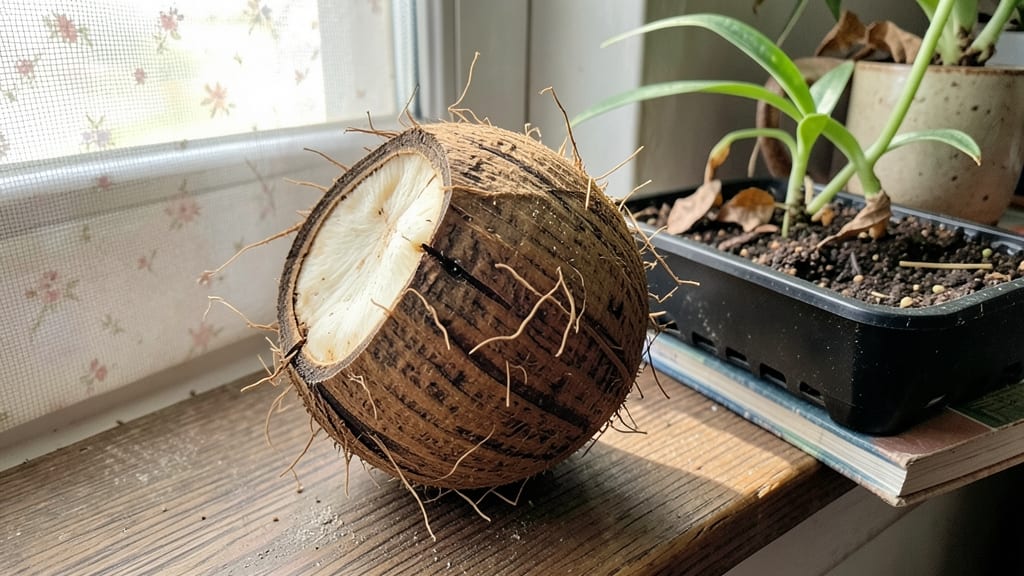
Growing a palm tree from a fruit seed is the ultimate patience test—one that rewards you with a towering tropical centerpiece after years of careful nurturing. 🌴 I’ve cracked the code on germination after struggling with moldy seeds and false starts, and now my kitchen counter hosts a thriving collection of baby palms that’ll soon outgrow their pots.
The secret isn’t just soaking the seed—it’s mimicking the tropical conditions that finally coax them to life.
First, you’ll need a ripe palm fruit (not all work—stick with coconuts or date palms for best results), warm water, and a breathable container. Forget the fancy tools: a plastic bag, some sphagnum moss, and a sunny windowsill are all you truly need.
Most seeds need 60-90 days of warm, moist stratification before they’ll even think about sprouting—so plan ahead if you’re dreaming of a 20-foot giant in your yard.
Once that first green shoot breaks through, you’ll feel like a jungle explorer. The real magic happens when you transplant into well-draining soil mix and provide bright, indirect light—no fluorescent bulbs will do.
Expect 6-12 months before you see real leaves, but trust the process: every slow step builds a stronger trunk for the future.
Here’s where most people quit: the wait. But the payoff—a mature palm swaying in your landscape—makes the years of tiny progress worth it.
Between you and me, I’ve lost count of how many failed attempts taught me this: stratification is the difference between a seed that stays dormant and one that becomes a tree. Let’s get those seeds sprouting.
📚 In This Guide
- What you need
- Instructions
- Tips and common mistakes
- Wrapping up and next steps
What you need
- ● Palm fruit seeds: 5–10 fresh, viable seeds (preferably from a mature palm fruit like Cocos nucifera or Areca catechu). Ensure they’re plump and free of cracks or mold.
- ● Stratification medium: Option 1: Moistened peat moss or coco coir (1–2 cups).
- ● Option 2: A mix of sand and perlite (50/50 ratio, 2 cups total).
- ● Plastic storage bags: 2–3 resealable bags (quart-sized or larger) with small holes poked for airflow.
- ● Spray bottle: For gentle hydration (avoid soaking!).
- ● Small pots or seed trays: 3–5 (4–6 inches deep) with drainage holes, filled with well-draining potting mix (e.g., cactus/succulent mix).
- ○ Gloves: Optional but recommended—palm seeds can be sticky!
- ● Thermometer: To monitor temperatures (ideal: 70–85°F during stratification).
- ○ Heat mat (optional): For warmer climates or slow germination (set to 80–85°F).
- ● Humidity dome or plastic wrap: To retain moisture post-stratification.
- ● Patience! 🌱 Palm seeds can take 30–90 days (or longer) to sprout—consistency is key.
- ● 🔥 Test seed viability: Soak seeds in warm water for 24 hours—sinkers are more likely to sprout!
- ● ✨ Label your pots: Palm varieties grow differently; track each seed’s progress.
- ● 🌡️ Avoid overwatering: Keep soil moist but not soggy—root rot is a common pitfall.
Step-by-step instructions for germinating palm fruit seeds
Stratification unlocks the secret to breaking dormancy—here’s how I do it reliably.
🌱 Step 1: Extract and Prepare the Seeds
Start by carefully removing the seeds from the palm fruit. Most tropical palm seeds have a thick, fibrous outer layer that needs to be peeled away—don’t rush this, or you’ll damage the seed inside. I like to soak the fruit in warm water for 24 hours first; this softens the fibers and makes the extraction easier.
Once the seed is exposed, inspect it for any signs of mold or soft spots—these seeds won’t germinate. Healthy seeds feel firm and heavy for their size. Place them in a clean container with lukewarm water for another 24 hours to fully hydrate. This prep step is critical because dry seeds often refuse to sprout without this initial soaking.
💧 Step 2: Perform Cold Stratification
Fill a sealed plastic bag with a damp paper towel or a small handful of sphagnum moss (if you have it). Add the soaked seeds to the bag, ensuring they’re surrounded but not submerged in moisture. Seal the bag tightly and place it in the refrigerator for 6-8 weeks—this mimics the winter chill period many tropical seeds need to break dormancy.
Check the bag every 2 weeks to ensure the moss or towel stays damp. If it dries out, mist it lightly with water and reseal. The goal is to keep the environment consistently moist but not soggy. Cold stratification is where the magic happens—without it, many palm seeds simply won’t sprout.
☀️ Step 3: Sow in Warm, Well-Draining Soil
After stratification, fill a small pot or seed tray with a mix of 50% potting soil and 50% perlite or coarse sand to improve drainage. Palm seeds need airflow around their roots to prevent rot. Plant each seed about 1 inch deep, pressing the soil gently around it but not compacting it too tightly.
Place the pot in a warm, bright spot—ideally 75-85°F—with indirect sunlight. A heat mat can help maintain consistent warmth if your home runs cooler. Keep the soil evenly moist but never waterlogged; palm seeds rot faster than they germinate if the soil stays soggy. You’ll know moisture is right when the top inch feels damp to the touch.
⏰ Step 4: Wait and Monitor for Sprouts
Germination can take anywhere from 4-12 weeks, depending on the palm species. Be patient—some seeds take longer, especially if they weren’t perfectly stratified. I like to cover the pot with clear plastic wrap to retain humidity during this waiting period, but remove it daily for 10 minutes to prevent mold.
Once you see the first signs of life—a tiny shoot pushing through the soil—remove the plastic wrap completely. Keep the soil consistently moist but reduce watering slightly to avoid shocking the delicate new roots. This is the moment you’ve been waiting for: the seed has broken dormancy, and growth is underway.
🌿 Step 5: Transplant When Ready
When the seedling reaches about 6 inches tall and has developed a few true leaves (not just the initial seed leaves), it’s time to transplant. Choose a slightly larger pot with drainage holes and fill it with a well-draining potting mix. Gently remove the seedling from its original pot, being careful not to damage the roots.
Plant it at the same depth it was growing before, firming the soil lightly around the base. Place the pot in bright, indirect light for a week to help the seedling adjust. After that, you can gradually introduce it to more direct sunlight. Remember, palm seedlings grow slowly at first—don’t rush their transition to full sun.
Tips & tricks for perfect palm fruit seed germination
Here's what I learned after struggling with stubborn tropical seeds—these tricks make all the difference.
The Soaking Secret: That initial 24-hour soak in warm water isn't just about softening fibers—it's a hydration reset. Dry seeds often have hardened seed coats that block water absorption. I've found that adding a pinch of hydrogen peroxide (just a few drops) to the soaking water helps prevent mold while keeping the water fresh. This step is non-negotiable for tropical palms that need that extra moisture kick to wake up.
Stratification Strategy: The 6-8 week cold period can feel like forever, but consistency is key. I label my bags with the start date and set a reminder to check them every 2 weeks. Pro tip: Place the bag in a clear plastic container—this lets you see moisture levels without opening it, preventing temperature fluctuations. If you're impatient, some tropical palms respond to a shorter 4-week stratification, but you're gambling on success.
Soil Science: That 50/50 mix of potting soil and perlite isn't arbitrary—it's about airflow. Too much soil compacts and holds moisture, while too much perlite can dry out roots. I like to add a handful of orchid bark to the mix for extra aeration. When planting, press the soil gently but don't compact it—palm roots need space to breathe. The 1-inch depth rule is crucial; planting too deep can suffocate the seed.
Germination Patience: The 4-12 week window can be frustrating, but here's my trick: Keep a germination journal. Record soil moisture levels, temperature fluctuations, and any changes you notice. Most seeds that fail to sprout do so because of either too much or too little moisture during this critical period. And remember—those 10 minutes daily without plastic wrap are essential to prevent mold buildup that can kill sprouts before they emerge.
Pro Tips for Palm Fruit Seed
- Here's what I learned after struggling with stubborn tropical seeds—these tricks make all the difference.
- The Soaking Secret: That initial 24-hour soak in warm water isn't just about softening fibers—it's a hydration reset.
- Stratification Strategy: The 6-8 week cold period can feel like forever, but consistency is key.
Frequently asked questions
Got questions about growing palm fruit seeds?
You’re not alone! Here are answers to the most common queries to help you get started with confidence.
How long does palm fruit seed stratification take?
Stratification for palm fruit seeds typically takes 4–12 weeks, depending on the species. Tropical palms like the Cocos nucifera (coconut) may need shorter stratification (4–6 weeks), while others like Phoenix dactylifera (date palm) might require up to 3 months. Monitor moisture levels—keep the medium damp but not soggy for best results.
Can I skip stratification and plant the seed directly?
While some fast-growing palms might sprout without stratification, most tropical palm seeds benefit from this process to break dormancy. Skipping it could lead to slow or uneven germination. If you’re impatient, try a warm, moist environment (like a seedling heat mat) to mimic natural conditions—but expect longer wait times.
What’s the best temperature for palm seed germination?
Ideal germination temps range between 75–90°F (24–32°C). Use a seedling heat mat or place the container near a sunny window (but avoid direct sunlight during stratification). If temps drop below 65°F (18°C), germination slows significantly—consider a greenhouse or indoor setup for consistency.
Why isn’t my palm fruit seed sprouting after stratification?
Several factors could be at play:
- Old seeds: Palm seeds lose viability over time—aim to plant fresh seeds within 6–12 months of harvest.
- Improper moisture: Too dry = dormancy; too wet = rot. Aim for consistently damp (not waterlogged) conditions.
- Poor air circulation: Fungal growth can kill seeds. Use a lightly covered tray with small ventilation holes.
- Species-specific needs: Some palms (like Raphia) require scarification or longer stratification.
What’s a good alternative if palm seeds won’t germinate?
If you’re struggling with palm seeds, try these easier-to-grow tropical alternatives:
- Monstera deliciosa (Swiss cheese plant) – Fast-growing and forgiving.
- Avocado seeds – Simple stratification with toothpick support.
- Citrus seeds (like orange or lemon) – Germinate quickly in warm, moist soil.
- Bamboo shoots – Surprisingly resilient and great for privacy screens.
Wrapping up and next steps
Growing palm fruit seeds into thriving tropical plants is a rewarding journey that combines patience, care, and a little science! By mastering stratification and providing the right conditions, you can unlock the potential of these unique seeds and enjoy lush, exotic blooms in your landscape.
Whether you're a seasoned gardener or a curious beginner, every small step brings you closer to success—so roll up your sleeves and get ready to nurture nature’s hidden gems. 🌱✨
Your next step? Start experimenting! Try these tips with a few seeds, document your progress, and share your green thumb victories with fellow plant lovers. Who knows? You might just discover a new favorite tropical addition to your outdoor space! 🌴💚