
Planting
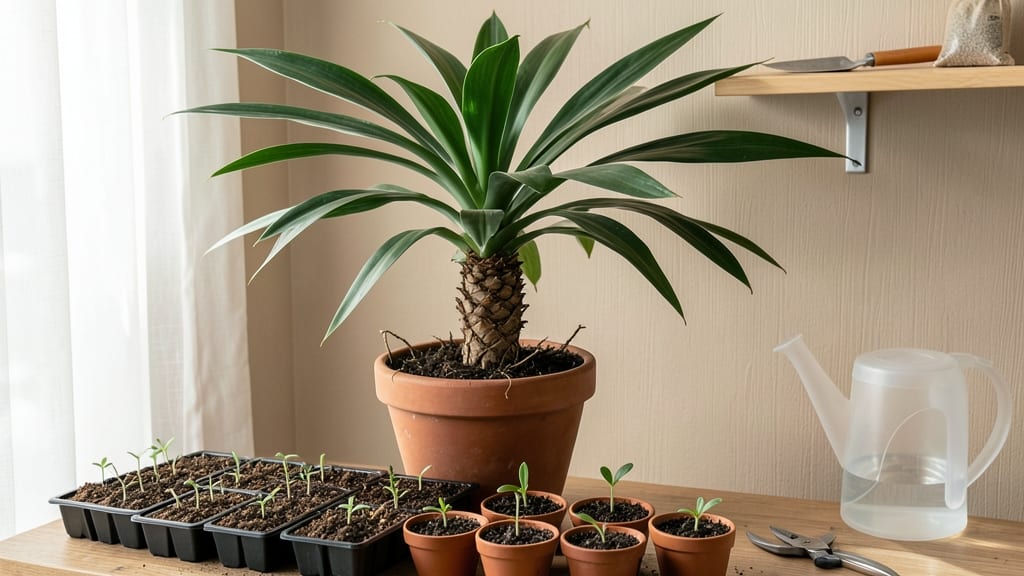
The pandan plant seeds I’ve nurtured into fragrant, fan-shaped leaves are worth the wait—here’s how to coax those slow-growing gems into tropical glory. 🌿
The trick begins with fresh seeds and a warm, humid setup. You’ll need a heat mat or sunny windowsill, a mix of peat and perlite, and a spray bottle to keep moisture high without drowning the seeds.
Germination can take 4-8 weeks, so don’t give up if nothing sprouts in the first month.
Once those first leaves appear, you’ll watch them unfurl into glossy, sword-like foliage. With proper care, your pandan will grow into a lush, air-purifying plant that thrives indoors or outdoors in warm climates. The scent alone makes it worth the wait.
Common pitfalls? Overwatering and cold drafts. Keep the soil lightly moist and the temperature above 65°F for best results. Even beginners can nail this with the right setup—here’s how to make it happen.
📚 In This Guide
- What you need
- Instructions
- Tips and common mistakes
- Wrapping up and next steps
What you need
- ● Pandan seeds: 10–20 fresh, viable seeds (look for plump, firm seeds—avoid shriveled ones!)
- ● Seed-starting mix: 1 small bag (5–10 quarts) of well-draining, sterile potting soil (or coconut coir for a peat-free option)
- ● Seed trays or small pots: 4–6 biodegradable or plastic cell trays (2–3 inches deep) or 3–4 small pots (3–4 inches in diameter)
- ○ Grow lights or sunny windowsill: A LED grow light (optional but ideal) or a south-facing window with 6+ hours of indirect sunlight daily
- ● Spray bottle: For gentle watering (avoid over-saturating seeds!)
- ● Plastic wrap or humidity dome: To create a mini greenhouse effect (clear plastic wrap works in a pinch!)
- ● Label markers & tags: To track planting dates and seed varieties
- ● Heating mat: Keeps soil warm (75–85°F) to speed up germination (great for cooler climates!)
- ● Fertilizer: A balanced, water-soluble fertilizer (5-10-5 ratio) for post-germination growth (use sparingly!)
- ● Humidity tray: A shallow tray with pebbles and water to boost moisture levels
- ● Pruning shears: For future trimming (once your plant matures!)
Step-by-step instructions for growing pandan seeds indoors
Turn those tiny pandan seeds into lush, fragrant tropical plants with these simple steps.
🌱 Step 1: Soak Seeds to Soften the Shell
Pandan seeds have tough outer shells that slow germination. Place 4 seeds in a small bowl and cover them with warm water—about 75°F. Let them soak for 24-48 hours until the shells soften noticeably. You'll see tiny cracks or feel them give slightly when squeezed gently between your fingers.
Change the water every 12 hours to prevent mold. I like to use a fine mesh strainer to keep seeds contained while refreshing the water. This step is crucial—skipping it can delay germination by weeks.
💧 Step 2: Prepare Containers and Plant the Seeds
Fill 4 small pots (3-4 inches wide) with a well-draining mix of 50% potting soil and 50% perlite. Press the soil down lightly to create a firm planting surface. Make a small hole about ½ inch deep in each pot—just enough to cradle the seed without burying it too deeply.
Place one soaked seed in each hole and cover it with a thin layer of soil, pressing gently to ensure good contact. Water lightly until the soil feels evenly moist but not soggy. The key here is patience—pandan seeds germinate slowly, so avoid disturbing the soil afterward.
☀️ Step 3: Provide Warmth and Humidity for Germination
Pandan seeds thrive in warmth and humidity. Place the pots in a location with constant temperatures between 75-85°F. A seedling heat mat set to 75°F speeds up germination significantly. Cover each pot with a clear plastic dome or wrap them in plastic wrap to retain moisture and create a mini greenhouse effect.
Check the soil daily—it should stay lightly moist. Mist the inside of the plastic cover with water if condensation stops forming. Germination can take 4-8 weeks, so resist the urge to peek too often. Once you see tiny sprouts breaking through the soil, remove the cover immediately to prevent fungal issues.
🌿 Step 4: Care for Seedlings and Encourage Growth
When seedlings emerge, move them to a bright spot with indirect sunlight. Direct sun can scorch young leaves, so a north or east-facing window is ideal. Water the seedlings when the top ½ inch of soil feels dry, using room-temperature water to avoid shocking the roots.
After 4-6 weeks, when seedlings have developed 3-4 true leaves, transplant them into slightly larger pots (5-6 inches wide) if they look crowded. Pandan plants grow slowly, so don’t rush this step—wait until you see roots emerging from the drainage holes.
⏰ Step 5: Maintain Mature Plants for Long-Term Health
Once established, pandan plants need bright, indirect light and moderate humidity. Water when the top 1 inch of soil feels dry, ensuring the pot has drainage holes to prevent root rot. Fertilize lightly every 2 months with a balanced liquid fertilizer during the growing season (spring and summer).
Pandan plants can grow quite tall, so prune them occasionally to encourage bushier growth. You’ll know it’s time to prune when the plant outgrows its pot or develops long, leggy stems. Always use clean, sharp scissors to make cuts just above a leaf node.
Tips & tricks for growing pandan seeds indoors
Here's what I've learned after growing these fragrant tropical plants from seed—tricks that'll help you avoid common pitfalls and get the best results.
The Soak Factor: Don't rush the 24-48 hour soak—this is where germination success begins. I've seen seeds that only soaked for 12 hours fail to crack properly, leading to weeks of waiting. Test your seeds after 24 hours: if they still feel rock-hard, give them another 12-24 hours. The shells should feel slightly spongy when squeezed gently.
Temperature Matters: Maintaining that 75-85°F range is critical, especially during germination. I use a small seedling heat mat set to 75°F under my pots, which cuts germination time by nearly half. If your home stays cooler than 70°F, consider placing pots on top of your fridge (which stays warm) or using a simple incandescent bulb to provide gentle warmth.
Planting Precision: When planting your seeds in Step 2, aim for that ½-inch depth—any deeper and they won't get enough oxygen, any shallower and they may dry out. I like to use a toothpick to make the planting hole, as it gives me better control than my fingers. Press the soil gently around the seed to eliminate air pockets, which can prevent proper root contact.
Germination Patience: The 4-8 week germination window can feel like forever, but consistency is key. I mark my calendar and set a reminder to check soil moisture every 2 days. If you notice mold developing on the soil surface during this time, remove the cover for 10-15 minutes to let it dry out completely before replacing the plastic. This prevents fungal issues without disturbing the seeds.
Pro Tips for Pandan Plant Seeds
- Here's what I've learned after growing these fragrant tropical plants from seed—tricks that'll help you avoid common pitfalls and get the best results.
- The Soak Factor: Don't rush the 24-48 hour soak—this is where germination success begins.
- Temperature Matters: Maintaining that 75-85°F range is critical, especially during germination.
Frequently asked questions
Got questions about growing pandan plant seeds? You’re not alone! Here are some of the most common queries—plus quick, practical answers to help you succeed.
How long does it take for pandan seeds to germinate?
Pandan seeds can take anywhere from 2 to 6 weeks to sprout, depending on conditions like warmth (70–80°F) and moisture. Patience is key—keep the soil consistently damp and avoid overwatering. If no sprouts appear after 6 weeks, try soaking the seeds overnight in warm water before replanting.
Why aren’t my pandan seeds germinating?
Common culprits include cold soil, poor drainage, or old seeds. Pandan thrives in warmth, so use a heat mat if your home is chilly. Ensure well-draining soil (mix in perlite or sand) and avoid letting seeds dry out. If seeds are over a year old, their viability drops—try fresh ones!
Can I grow pandan from store-bought seeds or do I need a specific variety?
Yes! Store-bought pandan seeds (like Pandanus amaryllifolius) work well for home growing. Look for organic, non-treated seeds for best results. Avoid hybrid varieties labeled for culinary use only—they may not sprout reliably. For faster growth, opt for seeds labeled “garden-ready” or “non-GMO.”
How fast will my pandan plant grow, and when can I harvest?
Pandan grows slowly—expect 6–12 inches per year in ideal conditions. Young plants take 1–2 years to mature enough for harvesting leaves or seeds. For edible pandan, wait until the plant is at least 3–5 feet tall and has produced flowers. Patience pays off with fragrant, flavorful rewards!
Can I grow pandan indoors, or does it need outdoor tropical conditions?
Pandan prefers outdoors in USDA zones 10–12, but you can grow it indoors near a sunny window or under grow lights (12+ hours/day). Use a large pot (10+ inches) with drainage holes and mimic tropical humidity (mist leaves or use a pebble tray). Just know it’ll grow slower indoors and may need pruning to stay manageable.
Wrapping up and next steps
Growing pandan plant seeds is a rewarding journey that brings a touch of tropical elegance to your space—whether you’re drawn to its fragrant leaves, vibrant blooms, or culinary uses.
With the right care, patience, and a dash of creativity, you’ll soon enjoy the lush, green beauty of this versatile plant. Now’s your chance to turn those tiny seeds into a thriving centerpiece!
Ready to dive in? Start by gathering your supplies, following the steps with confidence, and watch your pandan plant flourish. Happy planting! 🌱✨