Picking
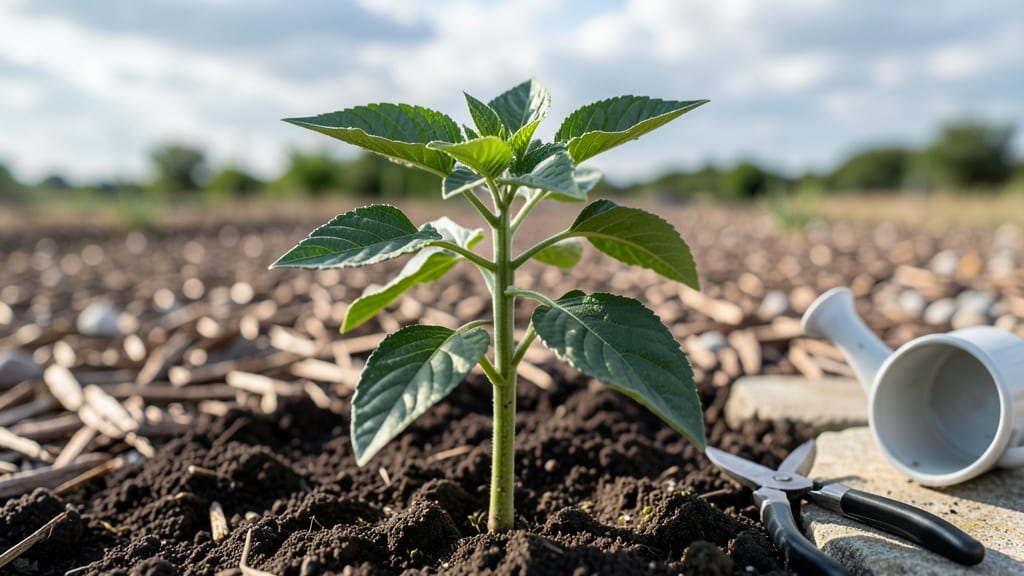
Mastering pepper seedling identification means the difference between a harvest of sweet bells or fiery jalapeños—before they even bloom. 🌱 I’ve spent years watching seedlings transform, and the early clues are in the leaves, stems, and growth patterns that show. up within weeks.
A single misidentified plant can throw off your whole garden layout, especially when you’re planning a mix of heat levels or flavors.
The first thing to check is leaf shape: bell pepper seedlings start with broad, rounded leaves, while jalapeños and habaneros show up with narrower, more serrated edges. Stem thickness also matters—healthy seedlings have sturdy stems that don’t flop, while weak or leggy ones need extra light.
I’ve used a simple chart to compare varieties side by side, which cuts down on guesswork when seedlings look similar at first glance.
By the time they’re ready to transplant, you’ll spot the true variety traits—whether it’s the glossy dark green of a bell or the slightly waxy finish of a habanero. Proper identification ensures you’re not accidentally pulling out a pepper you wanted to keep or wasting space on the wrong type.
Once you master these visual cues, you’ll never second-guess your seedlings again.
This works for both home gardens and larger plots, and the same rules apply whether you’re growing from seed or buying young plants. The key is paying attention in those first few weeks—before the flowers distract you. Let’s break down what to look for, step by step.
What Confuses Young Pepper Plants
Identifying pepper seedlings can feel like solving a botanical puzzle—especially when they look eerily similar at first glance. But don’t worry; most mix-ups stem from a few key factors. Understanding these causes helps you spot true varieties before they mature. Let’s break down the science behind the confusion.
Many pepper seedlings share a family resemblance because they belong to the same species (Capsicum annuum, frutescens, or others). For example, bell peppers, jalapeños, and serranos all start as tiny green sprouts with similar cotyledons (the first leaves).
Their true traits—like leaf shape, color, or heat level—don’t emerge until later stages.
- Why it happens: Early growth is driven by stored energy in the seed, not the plant’s genetic expression. Think of it like a baby human—hard to tell if they’ll be tall or curly-haired at birth!
- Actionable tip: Wait until the true leaves (the second set, after cotyledons) appear. These reveal the plant’s heritage, like serrated edges for hot peppers or broad lobes for bells.
Heat, light deprivation, or poor soil can distort a seedling’s growth, making it look like a different variety. For instance, a Carolina Reaper seedling might develop stunted, dark leaves under stress, resembling a diseased Habanero—when it’s actually just fighting for survival.
| Stressor | How It Affects Seedlings | Fix It |
|---|---|---|
| Cold temperatures | Pale, leggy stems; slow growth | Use a heat mat (70–80°F soil temp) and grow lights. |
| Overcrowding | Small, yellowing leaves; competition for nutrients | Thin seedlings to 12–18 inches apart. |
| Nutrient deficiencies | Purple stems (phosphorus deficiency) or yellowing (nitrogen) | Use a balanced starter fertilizer (e.g., 5-10-5). |
Not all seeds are what they claim to be. Contaminated batches, old seeds, or seeds from unreliable sources can sprout into something entirely different. For example, a "Sweet Banana Pepper" packet might actually contain Poblano seeds due to cross-pollination or poor handling.
- Why it happens:
- Seeds saved from hybrid peppers (F1) may not breed true.
- Moisture or pests in storage can damage seeds, altering germination.
- Online sellers or garden centers may mislabel varieties.
- Actionable tip: Buy from reputable seed companies (e.g., Baker Creek, Johnny’s Selected Seeds) and store seeds in a cool, dry place with silica packets.
Fungal infections (like damping-off) or pests (e.g., aphids) can warp seedlings, making them look like a different variety. For example, a Jalapeño seedling with blackened stems might resemble a diseased Bell Pepper—but it’s actually a fungal attack.
- Signs to watch for:
- Mushy stems at the soil line (damping-off).
- Sticky leaves (aphids or honeydew).
- White mold on soil (powdery mildew).
- Prevent it:
- Sterilize trays with hydrogen peroxide (3%).
- Use fungicide (e.g., Mycorrhizal inoculant) if damping-off is common.
- Inspect seedlings weekly for pests.
Quick Fixes for Seedling Confusion
If your pepper seedlings are harder to identify than a mystery novel, don’t panic—there’s a clear path to clarity! Below, we’ll map common misidentification issues to simple, actionable solutions.
Whether your seedlings are growing too slowly, looking oddly shaped, or just not matching their labels, these fixes will help you spot the right traits before they bloom.
Cause: Seedlings packed too tightly or lacking nutrients. Fix:
- 🔥 Thin Them Out: Use clean scissors or your fingers to gently remove weaker seedlings, leaving only the healthiest 2–3 inches apart. This prevents competition for light and nutrients.
- 🍳 Boost Nutrients: Switch to a balanced fertilizer (like 10-10-10) diluted to half-strength. Avoid overfeeding—stick to once every 2 weeks.
- 🌡️ Check Light: If leaves are leggy or pale, move seedlings closer to a grow light (12–16 hours/day) or a sunny south-facing window.
Prevention Tip: 💡 Start with properly spaced seeds (¼ inch deep, 1–2 inches apart) and use seedling trays with drainage holes to avoid root rot.
Cause: Mislabeling, cross-pollination, or hybrid traits not yet visible. Fix:
- 👨🍳 Compare to Reference Guides: Pull out your seed packet or a trusted pepper variety chart (like the one from Pepper Geeks). Note key traits:
- Leaf shape (lobed vs. smooth)
- Stem color (green vs. purple)
- Early fruit hints (tiny buds or bumps)
- 🔪 Dig Deeper (Literally): Gently uproot one seedling and examine the root structure—some varieties (like habaneros) have finer roots, while bell peppers may have thicker, sturdier ones.
- ⏰ Wait for True Traits: If seedlings look identical, let them grow 4–6 weeks. True variety traits (like fruit shape or heat level) often emerge after the first true leaves.
Prevention Tip: ✨ Label seedlings immediately with toothpicks and masking tape—include the variety and planting date to track growth patterns.
Cause: Aphids, fungus, or bacterial spots altering seedling appearance. Fix:
- 🚿 Isolate & Inspect: Quarantine affected seedlings. Check for:
- Sticky residue (aphids)
- Yellow spots (early blight)
- Mushy stems (damping-off)
- 💊 Treat Gently:
- Pests: Spray with neem oil (1 tsp per quart of water) or introduce ladybugs.
- Fungus: Dust with copper fungicide or switch to sterile potting mix.
- 🌡️ Adjust Growing Conditions: Ensure pots have drainage holes and avoid overhead watering to prevent fungal spread.
Prevention Tip: 🌡️ Sterilize tools and trays with 1 part bleach to 9 parts water before reuse.
Cause: Open-pollinated seeds may revert, or hybrids can surprise you. Fix:
- 📊 Track Parentage: If growing from saved seeds, note whether the parent plant was hybrid (F1) or open-pollinated. Hybrids may not breed true.
- 🔍 Test for Heat: For spicy varieties, rub a leaf between your fingers—some heirlooms (like Carolina Reapers) emit a tingly aroma early on.
- 🌱 Start Over if Needed: If traits are consistently off, order fresh seeds from a reputable supplier (like Baker Creek Heirloom Seeds).
Prevention Tip: 🎯 For critical varieties, buy certified organic or heirloom seeds labeled for true-to-type growth.
Pro Tip: 📸 Snap progress photos weekly! Comparing images over time helps spot subtle trait changes before they bloom. Happy identifying—your future harvest depends on it!
Frequently asked questions
How do I tell the difference between bell pepper and hot pepper seedlings?
Check the leaf shape first—bell pepper seedlings have broad, rounded leaves with smooth edges, while hot peppers like jalapeños or habaneros show up with narrower, serrated leaves. Bell pepper stems also tend to be thicker and more upright, whereas hot pepper seedlings may develop slightly waxy, darker green foliage earlier.
Why do my pepper seedlings all look the same when they first sprout?
Early-stage seedlings rely on stored seed energy, so they all look similar until the true leaves (second set) appear. These reveal variety traits—wait 4-6 weeks before making final identifications. The first true leaves are your best clue for distinguishing between types.
Can I identify pepper varieties before they flower?
Yes! Focus on leaf shape, stem thickness, and early growth patterns. For example, Carolina Reaper seedlings often show slightly darker leaves with a fine texture, while Poblano seedlings develop broader, lobed leaves. Compare against variety charts from trusted sources like Pepper Geeks for visual references.
What should I do if my seedlings look diseased but aren't?
Check for stressors first—cold soil (below 60°F), overcrowding, or nutrient deficiencies can mimic disease. Thin seedlings to 12-18 inches apart and use a balanced starter fertilizer (5-10-5). If stems appear mushy, it's likely damping-off—sterilize trays with hydrogen peroxide (3%) to prevent spread.