Pests
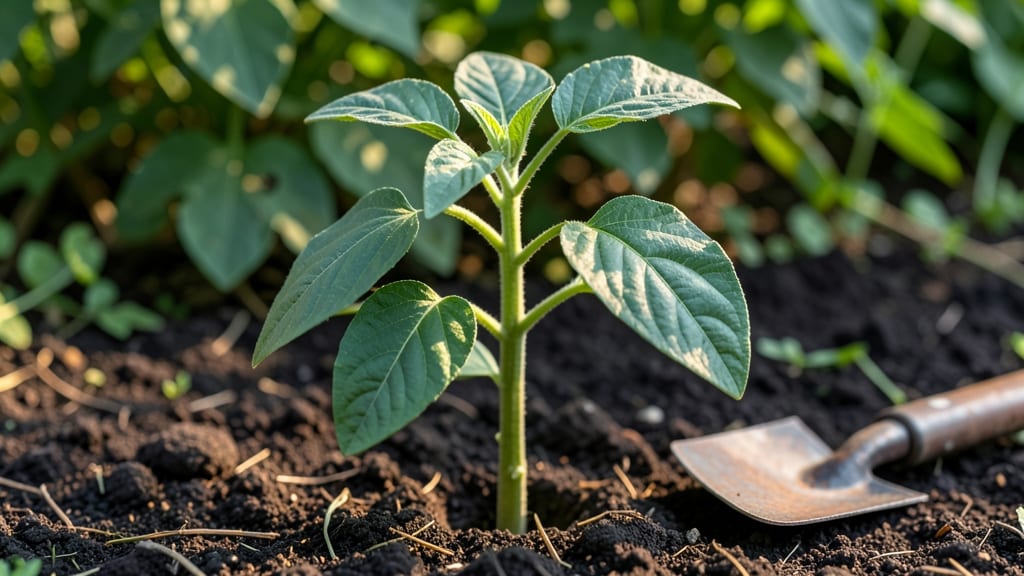
Pepper seedling leaves aren’t just food—they’re your first line of defense against pests and disease. 🌱 I’ve watched those tiny leaves transform from vulnerable sprouts into thick, waxy shields that deter aphids, spider mites, and even fungal spores.
The key lies in their natural chemistry, but only if you nurture them right from the start.
When leaves start yellowing or curling, it’s rarely the plant’s fault—it’s usually overwatering, poor light, or nutrient burn. I’ve saved dozens of seedlings by adjusting my routine: letting the top inch of soil dry between waterings and moving them to brighter light within days.
The difference is night and day—literally. Healthy leaves mean stronger plants that repel pests naturally.
You’ll spot the change within a week: vibrant green leaves, sturdy stems, and a resilience that makes pests think twice. The secret isn’t complicated—it’s consistency. A little prevention now means fewer headaches later, and a garden that thrives instead of struggles. Let’s get those seedlings on the right track.
Works for all pepper varieties, from sweet bell peppers to fiery jalapeños. Whether you’re dealing with wilting, spots, or pests, the same principles apply. Here’s how to diagnose and fix it before it becomes a bigger problem.
Root Causes Behind Leaf Stress
Understanding why your pepper seedling leaves develop stress is the first step toward fixing the problem. These young plants are delicate, and even small imbalances can trigger visible symptoms—like yellowing, wilting, or discoloration.
Let’s break down the key reasons behind leaf distress in pepper seedlings, backed by science and actionable insights.
Pepper seedlings thrive in consistently moist but not soggy soil.
When roots sit in waterlogged conditions, they struggle to absorb oxygen, leading to: - Yellowing leaves (chlorosis) due to nutrient deficiencies. - Soft, mushy stems (a sign of root rot). - Stunted growth as energy shifts from leaves to surviving waterlogged roots.
Why it happens:
- Overzealous watering (especially with tap water high in chlorine or salts).
- Containers without drainage holes trapping excess moisture.
- Heavy, clay-based soils that don’t dry quickly.
Actionable fix: Use your finger to check soil moisture—top 1–2 inches should dry between waterings. Elevate pots on saucers or use well-draining mixes (e.g., 60% peat/coir, 30% perlite, 10% compost).
While too much water harms seedlings, too little causes leaves to curl, crisp, or turn brown at the edges. Pepper seedlings are shallow-rooted, so they dry out faster than mature plants.
Why it happens:
- Infrequent watering (soil dries out completely between sessions).
- Small pots evaporating moisture too quickly.
- High temperatures or low humidity accelerating water loss.
Actionable fix:
- Mist leaves lightly in the morning to boost humidity.
- Use mulch (like straw) to retain soil moisture.
- Water deeply at the base (not overhead) to encourage root growth.
Pepper seedlings need a balanced diet of nitrogen (N), phosphorus (P), and potassium (K), plus micronutrients like magnesium and iron. Deficiencies show up as:
- Yellowing between veins (iron or magnesium deficiency).
- Purple stems/leaves (phosphorus deficiency).
- Slow growth or pale leaves (nitrogen deficiency).
Why it happens:
- Over-fertilizing (burns roots, blocking nutrient uptake).
- Under-fertilizing (seedlings outgrow available nutrients).
- pH imbalances (e.g., soil too acidic or alkaline, locking out nutrients).
Actionable fix:
- Start with a balanced 10-10-10 fertilizer (diluted to half strength).
- Test soil pH—peppers prefer 6.0–6.8. Adjust with lime (to raise pH) or sulfur (to lower it).
- Foliar spray with chelated iron or magnesium if deficiencies appear.
Tiny invaders like aphids, spider mites, or fungal spores can wreak havoc on tender pepper seedling leaves.
Symptoms include: - Sticky residue (aphid honeydew). - White webbing (spider mites). - Black sooty mold (fungus fed by sap-sucking pests). - Brown spots with yellow halos (early signs of bacterial or fungal infections).
Why it happens:
- Stressed plants (from over/underwatering or poor nutrition) attract pests.
- Crowded seedlings (poor airflow spreads pathogens).
- Contaminated tools or soil (bringing in spores or eggs).
Actionable fix:
- Isolate affected plants and inspect undersides of leaves.
- Neem oil spray (1 tsp per quart of water) for pests.
- Copper fungicide (for bacterial/fungal spots) or baking soda spray (1 tsp baking soda + 1 quart water + drop of dish soap).
Pepper seedlings are sensitive to temperature swings, wind, or harsh sunlight. Symptoms may include:
- Scorched or bleached leaves (too much direct sun).
- Wilting or drooping (heat stress or windburn).
- Slow growth or leggy stems (low light stretching).
Why it happens:
- Sudden temperature drops (below 50°F/10°C or above 90°F/32°C).
- Drafts from AC/heaters or open windows.
- Plastic domes/tents trapping too much heat or humidity.
Actionable fix:
- Hardening off seedlings gradually (acclimate to outdoor temps over 7–10 days).
- Provide shade cloth (30–50%) if seedlings are in hot sun.
- Use grow lights (12–16 hours/day) if natural light is insufficient.
Revive your seedlings quickly
When your pepper seedling leaves show signs of stress—whether from pests, disease, or environmental factors—acting fast is key. Below are practical, step-by-step solutions tailored to the most common issues, along with prevention tips to keep your seedlings thriving. No green thumb required!
Fix it fast:
- 🔥 Isolate the Problem Move affected seedlings to a separate tray or pot to prevent pests from spreading. Check nearby plants too—pests like aphids, spider mites, or caterpillars don’t work solo!
- 🍳 Spray with Neem Oil (Safe & Effective) Mix 1 tsp neem oil + 1 tsp mild soap + 1 quart water in a spray bottle. Apply to both sides of leaves in the evening (pests are less active then).
Repeat every 3–4 days until pests vanish. Pro tip: 💡 Add a few drops of garlic oil for extra pest-repelling power!
- 👨🍳 Introduce Beneficial Insects Release ladybugs, lacewings, or parasitic wasps (available at garden centers). They’re nature’s pest control and will munch on aphids and mites overnight.
- 🥘 Physical Barriers for Heavy Infestations Wrap seedlings in fine mesh netting or use row covers to block chewing insects like cutworms. Secure edges with soil or clips.
Prevent future attacks:
- 🌡️ Rotate crops yearly to disrupt pest life cycles.
- ✨ Plant companion herbs like basil or marigolds nearby—they confuse pests with their strong scents.
- 🎯 Inspect new plants before bringing them indoors or into the garden.
Fix it fast:
- 💦 Check the Soil Moisture
- Overwatered? Let soil dry out slightly (stick your finger 1 inch deep—if damp, wait 2–3 days).
- Underwatered? Water slowly at the base (avoid wetting leaves to prevent fungal growth). Use a moisture meter for accuracy.
- 🔪 Prune Damaged Foliage Snip off yellow or mushy leaves with sterilized scissors (wipe with rubbing alcohol between cuts). This stops the spread of bacterial or fungal infections.
- 🌡️ Adjust Humidity & Airflow
- Fungal issues? Space seedlings 3–4 inches apart and use a fan on low for 20 mins/day to improve airflow.
- Too dry? Place a tray of water near seedlings or use a humidity dome (remove once true leaves appear).
- 💪 Fertilize Lightly (If Nutrient Deficient) Switch to a balanced, water-soluble fertilizer (like 5-5-5) at half-strength. Over-fertilizing burns roots—always water before applying!
Prevent future stress:
- 📊 Use well-draining soil (mix potting soil with perlite or vermiculite).
- 🥗 Water consistently—stick to a schedule (e.g., every 2–3 days for seedlings).
- 🍎 Avoid cold drafts—keep seedlings in a warm (70–80°F), bright (but indirect) spot.
Fix it fast:
- 🌡️ Check Temperature & Light
- Too hot? Move seedlings away from heat sources (radiators, direct sun). Use shade cloth if temps exceed 85°F.
- Too cold? Cover with a clear plastic dome or move to a warmer spot (e.g., near a sunny window).
- 💦 Increase Humidity (If Air Is Dry) Place a humidifier nearby or mist leaves gently in the morning (avoid evening misting to prevent fungal growth).
- 🔄 Adjust Watering Habits Brown edges often mean low humidity + underwatering. Water more frequently (but still check soil moisture).
Prevent future damage:
- ✨ Use a heat mat (set to 70–75°F) for even warmth.
- 🎯 Monitor light exposure—seedlings need 12–16 hours of light/day (supplement with grow lights if natural light is weak).
- 🔥 Acclimate slowly to outdoor conditions (harden off over 7–10 days before transplanting).
🚀 Quick Recap Table: Here’s a cheat sheet for fast fixes:
| Problem | Immediate Fix | Prevention Tip |
|---|---|---|
| Pest holes/chewing | Neem oil spray + ladybugs | Plant marigolds nearby |
| Yellow/wilty leaves | Adjust water + prune damaged leaves | Use well-draining soil |
| Brown, crispy edges | Increase humidity + check temperature | Use shade cloth in peak sun |
💡 Final Pro Tip: When in doubt, start with the basics: soil moisture, light, and airflow. Most seedling woes stem from these three! Once you’ve ruled them out, tackle pests or diseases with targeted solutions. Your pepper seedlings will be lush and pest-free in no time. 🌱🔥
Frequently asked questions
Why are my pepper seedling leaves turning yellow?
Yellowing leaves usually signal overwatering or nutrient deficiencies. Pepper seedlings need well-draining soil—check if the top 1-2 inches are damp. If roots are soggy, reduce watering and improve drainage. For nutrient issues, use a balanced 5-5-5 fertilizer at half strength.
How do I prevent pests from damaging my pepper seedling leaves?
Start with neem oil spray (1 tsp per quart of water) applied every 3-4 days. Introduce beneficial insects like ladybugs to eat aphids naturally. Keep seedlings spaced 3-4 inches apart for airflow, and avoid overhead watering to deter fungal issues.
Can I use regular tap water for my pepper seedlings?
Tap water can harm seedlings if it contains chlorine or high salt levels. Let it sit out for 24 hours before using, or use filtered/rainwater. Over time, this prevents leaf burn and nutrient imbalances that cause yellowing or stunted growth.
What’s the best light setup for healthy pepper seedling leaves?
Seedlings need 12-16 hours of light daily. Use a grow light 2-3 inches above plants if natural light is weak. Avoid direct sun until hardened off—young leaves can scorch. Rotate pots weekly for even growth.
How do I know if my pepper seedling leaves are getting enough nutrients?
Healthy leaves are dark green and firm. Yellowing between veins indicates iron/magnesium deficiency, while purple stems mean phosphorus lacks. Use a soil test kit and adjust with chelated micronutrients or a balanced fertilizer (like 10-10-10) at half strength.