Planting
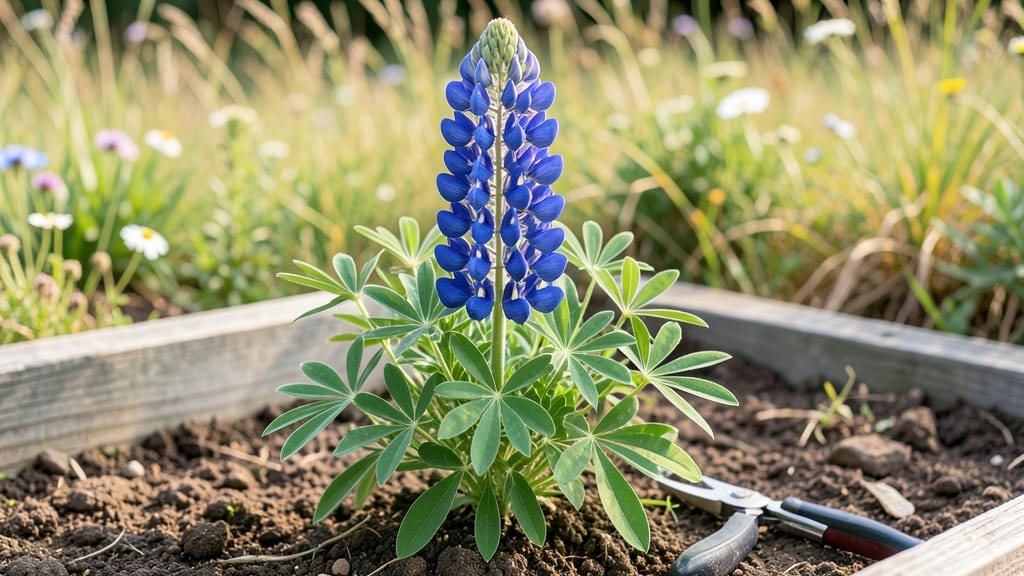
A plant seed identifier is your new best friend when that unlabeled packet leaves you staring blankly—because after years of guessing, here’s how to decode what’s really in your hands. 🌱 The key lies in tiny details: leaf veins, seed shape, and how the plant unfurls from a sprout.
Even if you’re not a botanist, you can learn to read these clues like a pro.
Start with a clear photo of the seed and its first leaves (those early cotyledons tell you a lot). Compare them to databases like iNaturalist or PlantNet, which let you upload images for instant matches.
I’ve used these tools to identify everything from heirloom tomatoes to wildflowers growing in my yard—no green thumb required. Grab a magnifying glass if you’re working with tiny seeds, and always snap shots of multiple angles.
You’ll quickly spot patterns: smooth-edged leaves vs. jagged, round seeds vs. flat ones, or whether the plant grows in clusters or single stems. Cross-checking with regional guides narrows it down further. Within minutes, you’ll go from “What is this?” to “Ah, that’s a ‘Black Krim’ tomato—time to save seeds!”
This method works for gardeners, foragers, or anyone curious about the plants around them. No more dead-on-arrival surprises when you plant. Let’s crack the code together!
📚 In This Guide
- What you need
- Instructions
- Tips and common mistakes
- Wrapping up and next steps
What you need
- ● Plant seeds or samples: Collect seeds or leaves from plants you want to identify (5–10 samples for practice).
- ○ Smartphone or digital camera: A high-resolution camera (12MP or higher) with a macro lens (optional but helpful).
- ● Plant identification app: Google Lens (free, works offline)
- ● PlantNet (free, community-driven)
- ● iNaturalist (free, great for wild plants)
- ● Ruler or measuring tape: For recording leaf size (12-inch tape measure or digital caliper).
- ● Notebook or digital notes app: To log observations (e.g., leaf shape, vein pattern, seed size).
- ○ Magnifying glass (optional but handy): 3x–10x magnification for fine details like seed texture.
- ● Plant field guidebook: A regional guide (e.g., National Audubon Society Field Guide for local flora).
- ● Grow light or sunlight access: If germinating seeds to observe growth stages.
- ● Seedling trays or pots: Small pots (2–4 inches) for testing germination (pack of 12–24).
- ● Pruning shears: For safely collecting leaf samples without damaging plants.
- ● Weather-resistant storage: Ziploc bags or airtight containers to preserve samples.
How to identify seedlings by leaf shape and growth stages
Here's how to tell your seedlings apart before they flower—no guessing required.
🌱 Step 1: Observe Cotyledon Shape First
The very first leaves (cotyledons) give you your first clue. Look for round, heart-shaped, or lobed patterns—these differ dramatically between plant families. For example, bean seedlings have two rounded cotyledons that look like tiny, plump leaves, while tomato cotyledons are oval with smooth edges and appear almost immediately after sprouting.
Don't confuse these with true leaves—they'll appear later and look completely different. Cotyledons serve as the plant's first food source, so they're often thicker and more robust. If you see two identical leaves right after germination, you're looking at cotyledons.
🌿 Step 2: Compare True Leaf Patterns
Once the first true leaves appear (usually 1-2 weeks after germination), the identification becomes clearer. True leaves develop from the seedling's growing point and have distinct shapes. For instance, basil leaves emerge as oval with serrated edges, while carrot seedlings have deeply lobed, fern-like leaves that look nothing like the mature plant.
Use a magnifying glass if needed—some seedlings have hairy stems or toothed leaf margins that are key identifiers. For example, parsley seedlings have delicate, lacy leaves with fine serrations, while dill leaves are feathery and deeply divided. Compare your seedlings to a reference chart if you're unsure.
☀️ Step 3: Note Growth Habits and Stem Structure
Pay attention to how the seedlings grow. Some, like pepper seedlings, develop thick, sturdy stems early on, while others, such as lettuce, grow thin and delicate with a rosette of leaves close to the ground. Observe whether the plant grows upright, sprawling, or bushy—this can narrow down the possibilities significantly.
Check for hairy stems (common in tomatoes) or reddish stems (a sign of stress in peppers). Also, note the leaf arrangement—some plants have leaves that grow in opposite pairs (like basil), while others have alternating leaves (like beans). These details are often the final clues you need.
⏰ Step 4: Track Growth Rate and Milestones
Seedlings grow at different speeds, and this can help you identify them. For example, radish seedlings appear quickly and bolt (flower) within 3-4 weeks, while tomato seedlings take 4-6 weeks to develop their first true leaves. If you planted multiple types, the fastest growers will reveal themselves first.
Watch for flower buds or fruit set—these are clear indicators. A tiny yellow flower on a seedling means it's likely a brassica (like broccoli or kale), while tiny white flowers suggest a legume (like peas or beans). Keep a journal with dates and observations to track progress.
📝 Step 5: Cross-Reference with Seed Packets
If you still can't identify your seedlings, compare them to the seed packet descriptions or a reliable plant identification guide. Most seed companies include leaf shape diagrams or growth habit descriptions on their packets. Look for keywords like "lobed," "serrated," "hairy," or "compound" to match your seedlings.
Take clear photos of your seedlings from multiple angles—this helps when you need to ask for help online or consult a gardening expert. Include details like leaf color, stem thickness, and growth pattern in your notes. The more specific you are, the easier it will be to get an accurate identification.
Tips & tricks for perfect seedling identification
Once you've got the basics down, these extra tips will help you become a seedling identification pro—no more second-guessing what's growing in your garden.
Lighting Matters: Always examine seedlings in natural daylight or under a bright lamp. Artificial lighting can distort colors and make it harder to see subtle differences in leaf shape and stem texture. I keep a small magnifying glass by my planting area—it's a game-changer for spotting fine details like serrated edges or hairy stems that make all the difference.
Timing Secret: The 1-2 week window mentioned in Step 2 is crucial for true leaf identification. If you're unsure about your seedlings, wait until you see at least two sets of true leaves before making a decision. I've learned the hard way that jumping to conclusions too early often leads to misidentification—patience pays off in the garden!
Reference Resources: Create your own seedling identification chart using clear photos of your plants at different stages. Include notes about leaf arrangement, stem thickness, and growth patterns. I keep mine in a binder with labeled sections for each plant family—it's become my go-to resource when I'm stuck trying to identify something unusual.
Growth Journal: Start a simple garden journal where you record observations about each seedling's development. Note when true leaves appear, how quickly they grow, and any distinctive characteristics. This creates a personal reference that becomes more valuable with each growing season. I've found that reviewing past entries helps me spot patterns I might miss when looking at seedlings fresh.
Pro Tips for Plant Seed Identifier
- Once you've got the basics down, these extra tips will help you become a seedling identification pro—no more second-guessing what's growing in your garden.
- Lighting Matters: Always examine seedlings in natural daylight or under a bright lamp.
- Timing Secret: The 1-2 week window mentioned in Step 2 is crucial for true leaf identification.
Frequently asked questions
Got questions about using a plant seed identifier? You’re not alone! Here are some of the most common queries—and straightforward answers—to help you get started with confidence.
How do I know if my seedling matches the identifier’s description?
A plant seed identifier compares key traits like leaf shape, vein patterns, and growth stages. If your seedling’s features (e.g., serrated edges, fuzzy stems) don’t align, cross-check with multiple sources or consult a local nursery. Pro tip: Take photos at different angles for accuracy!
Can I use a seed identifier for seeds I’ve already planted?
While identifiers excel at matching mature leaves, you can still use them for young plants by focusing on cotyledons (first leaves) or early growth habits. For seeds, note size, shape, and texture—though germination tests or soil tests may be needed for confirmation.
What if the identifier doesn’t recognize my plant?
Start by narrowing down your search: region, climate, or common garden plants. If the tool still fails, try leaf vein patterns or flower buds (if present). For stubborn cases, submit a photo to forums like r/whatsthisplant or use DNA testing kits as a last resort.
Are there free alternatives to paid seed identifiers?
Yes! Apps like PlantNet or PictureThis (free tier) offer robust databases. For offline use, try field guides like National Audubon Society Field Guide to North American Wildflowers. Libraries often carry these for free.
Does weather affect how well a seed identifier works?
Indirectly, yes. Stress from drought or pests can alter leaf shape, skewing results. Always compare your plant to healthy reference images. In extreme cases, wait for new growth or consult a botanist—some traits (like variegation) are more reliable than others.
Wrapping up and next steps
Identifying plant seeds by leaf shape and growth stages doesn’t have to be a guessing game—with the right tools and knowledge, you can confidently grow your dream garden! 🌱 Whether you’re a beginner or a seasoned gardener, understanding these visual cues opens up a world of possibilities for successful planting and nurturing.
Ready to take the next step? Start with a small batch of seeds, experiment with a plant seed identifier app, and keep a growth journal to track progress. Happy gardening—your green thumb is closer than you think! 🌿