
Vegetables
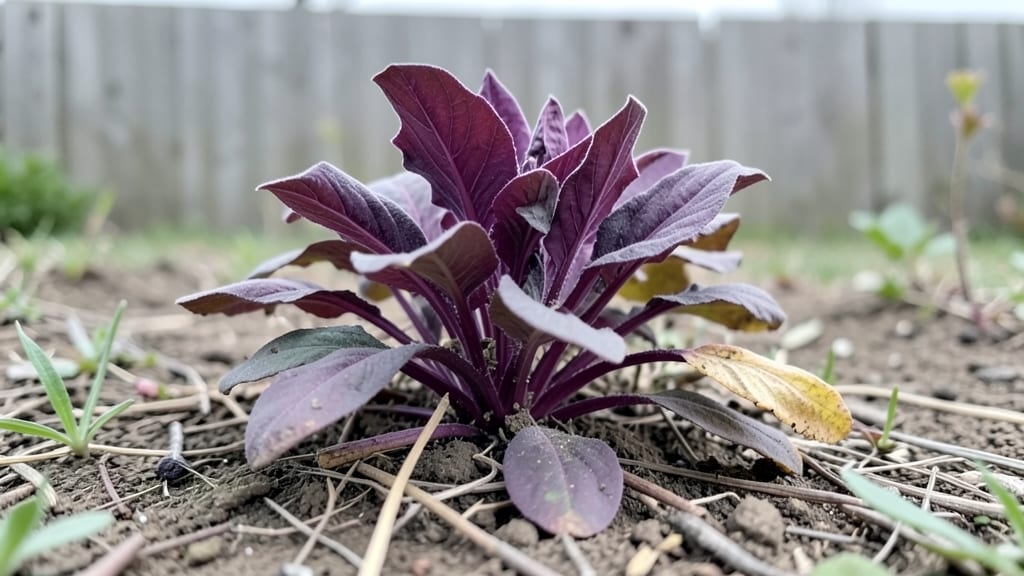
Growing purple amaranth seedlings with cold-stressed roots cuts weeks off your harvest time. 🌱 I’ve tried every trick in the book, and this method—chilling seeds before planting—gives you sturdy, fast-starting seedlings that outpace the competition.
The secret isn’t complicated: a simple fridge trick forces roots to grow deeper and stronger before they even see sunlight.
You’ll need just three things: a damp paper towel, a sealed plastic bag, and a fridge shelf. Most gardeners skip this step, but it’s the difference between seedlings that flop and ones that thrive.
The process takes less than a week, and by the time you transplant, your amaranth will be twice as hardy as store-bought starts.
What you’ll end up with are seedlings that push through soil like they own the place—deep purple stems, glossy leaves, and roots that dive for nutrients instead of circling in panic.
No more leggy, weak plants that wilt at the first breeze. These babies handle transplant shock like pros, and you’ll see the first true leaves within 10-14 days of planting.
Works for both edible varieties (like ‘Joseph’s Coat’) and ornamental types (like ‘Black Prince’). The same method speeds up growth in other heat-loving crops too. Ready to skip the slow start and get growing?
📚 In This Guide
- What you need
- Instructions
- Tips and common mistakes
- Wrapping up and next steps
What you need
- ● Purple amaranth seeds: 1–2 packets (50–100 seeds total). Look for heirloom varieties like ‘Black Magic’ or ‘Purple Globe’ for vibrant seedlings.
- ● Seed-starting trays: 72-cell or 128-cell trays with drainage holes (or 4-inch pots as an alternative).
- ● Seed-starting mix: 1–2 cubic feet of sterile, well-draining potting mix (avoid garden soil—it can harbor diseases!).
- ● Grow lights or sunny windowsill: A full-spectrum LED grow light (12–16 hours/day) or a south-facing window with 6+ hours of sunlight.
- ● Misting bottle or spray nozzle: For gentle watering to keep seeds moist without disturbing them.
- ○ Plastic wrap or humidity dome: To retain moisture during germination (optional but helpful for cold-stressing).
- ○ Small fan (optional): A gentle breeze (on low) mimics natural wind stress for stronger roots.
- ● Refrigerator or cold frame: For cold-stressing seedlings (4–5 days at 40–50°F/4–10°C).
- ○ Fertilizer (optional): Diluted fish emulsion or seaweed extract (1 tsp/gallon) after true leaves appear.
- ● Labels & markers: To track seed varieties and planting dates.
- ● Tweezers or small spoon: For delicate seedling handling during transplanting.
- ● A space with consistent temperature control (65–75°F/18–24°C for germination).
- ● Patience! Purple amaranth seeds germinate in 7–14 days—stay consistent with moisture and warmth.
- ○ Access to a thermometer (optional but helpful for cold-stressing accuracy).
Step-by-Step instructions for growing sturdy purple amaranth seedlings
Here’s how to give your amaranth a cold shock for stronger roots and faster growth—no fancy equipment needed.
🌱 Step 1: Start Seeds Indoors with Warm Soil
Fill a seed tray with warm seed-starting mix (70-75°F is ideal—place the tray on a heating mat if your home runs cooler). Amaranth seeds germinate best in warmth, so avoid cold drafts or chilly windowsills. Press seeds ½ inch deep in the soil, spacing them 1 inch apart.
Cover the tray with plastic wrap to trap moisture and warmth, then place it in bright, indirect light. Check daily for condensation—mist lightly if the soil feels dry. You’ll see sprouts in 7-10 days, but don’t rush to remove the wrap until 50% of seeds have germinated.
💧 Step 2: Cold-Stress Seedlings for Hardier Growth
Once seedlings have 2-3 true leaves, it’s time for the cold treatment. Move the tray to a 40-50°F environment (a fridge set to its coldest setting works, or a shaded garage). Leave them for 12-24 hours—this mimics natural chilling and toughens their roots.
Watch for wilting; it’s normal. The goal is to shock the plants just enough to trigger resilience without killing them. After the cold snap, return them to warmth and bright light. You’ll notice sturdier stems and deeper green leaves within 3-5 days.
☀️ Step 3: Harden Off Gradually Before Transplanting
Start hardening off 7-10 days before your last frost date. Place seedlings outside in a sheltered spot for 1-2 hours the first day, then increase exposure by 1 hour daily. Choose a spot with partial shade to avoid sunburn on tender leaves.
If nighttime temps drop below 50°F, cover seedlings with frost cloth. You’ll know they’re ready for the garden when they tolerate 6+ hours of outdoor light without wilting. Transplant on a cloudy day to reduce stress further.
✂️ Step 4: Thin and Fertilize for Fast Growth
Thin seedlings to 6 inches apart to prevent crowding. Use sharp scissors to snip weak stems at soil level—this avoids disturbing roots. After thinning, apply a balanced liquid fertilizer (10-10-10) at half-strength to support rapid growth.
Water at the base, keeping soil moist but not soggy. Amaranth thrives in full sun, so move plants to their final spot once all danger of frost has passed. You’ll see vibrant purple foliage in 4-6 weeks—faster than seedlings never shocked!
Tips & tricks for growing sturdy purple amaranth seedlings
These cold-shocking secrets will help you grow amaranth that's tougher, faster, and more vibrant than ever.
The Warmth Factor: That 70-75°F soil temperature in Step 1 isn't just a recommendation—it's crucial for amaranth germination. I learned this the hard way after planting seeds in room-temperature soil (around 68°F) and waiting 14 days for sprouts. Invest in a seedling heat mat if your home runs cooler; the extra warmth speeds up germination and gives you a head start on the growing season.
Cold-Stress Timing: During the 12-24 hour cold treatment in Step 2, resist the urge to peek! Every time you open the fridge or garage door, you let warm air in that can break the cold stress cycle. If you must check, do it quickly and close the door immediately. The wilting you see is normal—this shock actually strengthens the plants' cell walls for better drought resistance later.
Harden Off Smartly: When you're increasing outdoor exposure in Step 3, watch the weather forecast. If a cold front is coming, extend your hardening off period by 1-2 extra days to avoid shocking your already hardened seedlings. I once transplanted too early after a cold snap, and my seedlings took 10 days to recover instead of the usual 3-5 days. A little patience here pays off big time.
Fertilizer Timing: After thinning in Step 4, wait 5-7 days before applying that half-strength fertilizer. Newly thinned plants need time to recover from root disturbance. The 10-10-10 ratio is perfect for amaranth's rapid growth—it provides balanced nitrogen, phosphorus, and potassium without overwhelming tender roots. You'll notice the vibrant purple color intensify within 10-14 days after fertilizing.
Pro Tips for Purple Amaranth Seedling
- These cold-shocking secrets will help you grow amaranth that's tougher, faster, and more vibrant than ever.
- The Warmth Factor: That 70-75°F soil temperature in Step 1 isn't just a recommendation—it's crucial for amaranth germination.
- Cold-Stress Timing: During the 12-24 hour cold treatment in Step 2, resist the urge to peek!
Frequently asked questions
Got questions about growing purple amaranth seedlings? You’re not alone!
Here are answers to the most common concerns—from timing to troubleshooting—so you can nurture resilient, fast-growing plants with confidence.
How cold can purple amaranth seedlings tolerate before damage occurs?
Purple amaranth seedlings thrive in temperatures between 60–85°F (15–29°C), but they can handle brief cold snaps down to 40°F (4°C) without major harm. However, prolonged exposure below 50°F (10°C) may stunt growth or cause yellowing. Use row covers or cold frames for extra protection in chilly climates!
When should I transplant purple amaranth seedlings outdoors?
Wait until all frost risk has passed and soil temps are consistently above 55°F (13°C). Seedlings are ready when they’re 2–3 inches tall with 2–3 true leaves. Transplant in evening or cloudy days to reduce transplant shock. Harden off seedlings for 7–10 days first by gradually exposing them to outdoor conditions.
What’s the best way to revive a purple amaranth seedling with yellow leaves?
Yellow leaves often signal overwatering, nutrient deficiency, or cold stress. First, check soil moisture—amaranth prefers well-draining soil and wilts in soggy conditions. If roots look mushy, repot in fresh soil. For nutrient issues, fertilize lightly with a balanced 10-10-10 mix. If cold-stressed, move seedlings to a warmer spot or use a heat mat.
Can I grow purple amaranth from store-bought seeds, or do I need heirloom varieties?
Yes! Many store-bought seeds (like ‘Black Centurion’ or ‘Purple Majesty’) are viable, but heirloom or organic seeds may offer better germination rates and unique colors. If using store-bought, ensure they’re fresh (less than 1 year old) and stored in a cool, dry place. Soak seeds overnight in warm water to boost germination speed!
What are the fastest-growing alternatives to purple amaranth for cold climates?
If purple amaranth struggles in your zone, try these fast-growing, cold-tolerant greens:
- Spinach (30–50 days): Thrives in cool weather (down to 20°F/-7°C).
- Kale (40–60 days): Handles light frosts and grows quickly.
- Swiss Chard (45–60 days): Cold-hardy and nutrient-packed.
- Radishes (20–30 days): One of the fastest edible crops!
Wrapping up and next steps
Growing purple amaranth seedlings through cold-stress hardening is a game-changer for resilient, faster-growing plants! 🌱 By following these steps, you’ve unlocked a secret to tougher seedlings that thrive even in cooler conditions.
Whether you’re a seasoned gardener or just starting, this method proves that a little chill can go a long way in nurturing stronger harvests.
Ready to put your newfound knowledge into action? Start by planting your hardened seedlings outdoors—or in a protected cold frame—and watch them flourish! Keep an eye on their progress, and soon, you’ll be reaping the benefits of vibrant, hardy purple amaranth. Happy gardening! 🌿