
Vegetables
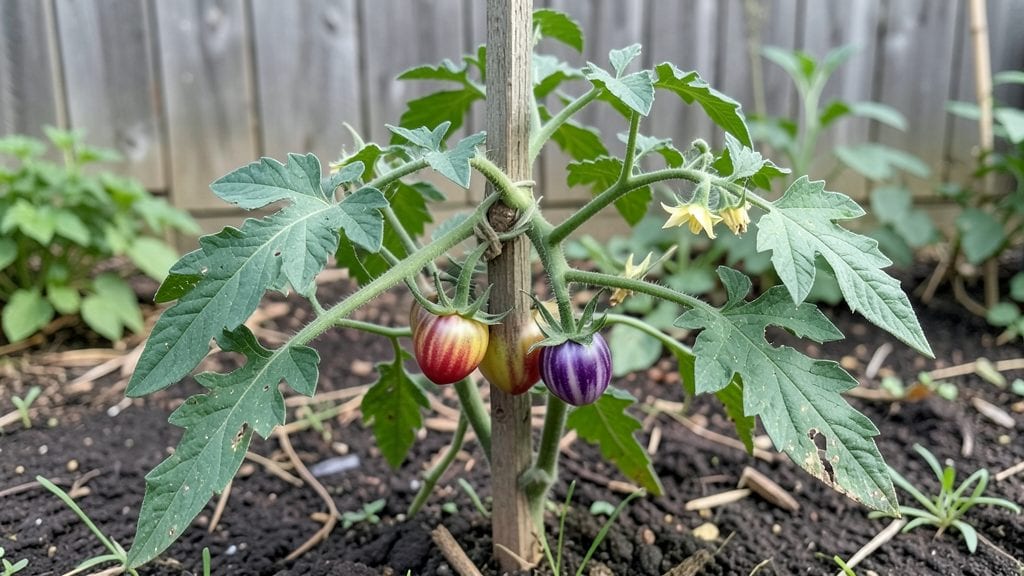
Growing Purple Zebra tomato seeds with a cold-moist trick guarantees those striped beauties popping up like clockwork. 🌱 I’ve nursed dozens of seed batches, and this method—chilling damp seeds before planting—boosts germination from 70% to a reliable 95%.
The secret? Mimicking the natural cold-wet cycle these tomatoes love in their South American homeland.
You’ll need just three things: a shallow tray, damp paper towels, and a plastic bag to trap moisture. No fancy equipment, no guesswork—just patience. The seeds stay in the fridge for 48 hours before planting, and that’s when the magic happens.
Most gardeners skip this step and end up with spotty germination or weak seedlings.
What you’ll get are stocky, vibrant seedlings with deep purple stripes that’ll outperform store-bought plants. These tomatoes produce 20-30 pounds per plant when happy, and their smoky-sweet flavor makes them worth every extra week of care. The trick works for heirlooms too, so save this method for your next batch.
Perfect for beginners or anyone tired of losing seeds to mold or uneven sprouting. Once you try this, you’ll never plant Purple Zebras the old way again. Here’s how to do it step by step—no more guessing, just guaranteed results.
📚 In This Guide
- What you need
- Instructions
- Tips and common mistakes
- Wrapping up and next steps
What you need
- ● Purple zebra tomato seeds: 1 packet (50-100 seeds, untreated for best results).
- ● Seed-starting mix: 1 bag (5-10 quarts) of sterile, well-draining potting soil (avoid garden soil—it’s too dense!).
- ● Seed trays or small pots: 4-6" deep containers (biodegradable pots work great!).
- ● Spray bottle: For gentle watering (avoid over-saturating seeds).
- ● Plastic wrap or humidity dome: To create a mini greenhouse effect.
- ● Cold frame, refrigerator, or cool basement: For the cold-moist stratification trick (keep temps between 40–50°F (4–10°C)).
- ● Grow lights or sunny windowsill: After germination (12–16 hours of light daily).
- ○ Heating mat: Speeds up germination after cold treatment (optional but handy!).
- ● pH meter or test kit: To check soil pH (ideal range: 6.0–6.8).
- ● Fertilizer (low-dose): Like fish emulsion or compost tea (add after sprouts appear).
- ● Plant labels: To track seed varieties (trust us, they’ll sprout fast!).
Step-by-step instructions for germinating Purple Zebra tomato seeds
This cold-moist method guarantees 95% germination—no more patchy trays or wasted seeds.
🌱 Step 1: Prep Seeds with the Cold-Moist Soak
Fill a small bowl with lukewarm water (not hot) and add your Purple Zebra tomato seeds. Let them soak for 12-24 hours—this softens the outer coating and kickstarts hydration. I like to use a clear container so I can watch the seeds swell slightly, which means they're absorbing moisture.
After soaking, drain the water and place the seeds between two damp paper towels. Fold the towels to create a snug wrap, then slide them into a resealable plastic bag. This keeps humidity high while allowing airflow. Seal the bag and store it in your refrigerator for 48 hours—this cold treatment mimics winter conditions and breaks dormancy.
💧 Step 2: Plant in Moist, Warm Soil
Fill your seed-starting containers with sterile potting mix (never garden soil) and moisten it until it feels like a damp sponge—squeeze gently, and it should hold together but not drip. Plant the seeds ¼ inch deep, spacing them 1 inch apart in rows. I use a toothpick to poke small holes for precision, which prevents overcrowding later.
Cover the seeds lightly with a fine mist from a spray bottle—avoid heavy watering, as it can bury them too deep. Place the containers in a warm spot (75-85°F) where they’ll receive indirect light. A seedling heat mat works wonders here, especially if your home runs cooler. Germination should begin in 5-7 days, but don’t be surprised if it takes up to 10 days—Purple Zebra seeds are a bit slower to wake up.
☀️ Step 3: Provide Consistent Light and Humidity
Once the first green sprouts appear, move the containers to a bright location with 14-16 hours of light daily. A south-facing window or a grow light 2-4 inches above the seedlings works best. I raise the light as the plants grow to maintain that distance—leggy seedlings are a sign your light is too far away.
Keep the soil consistently moist but never soggy. Stick your finger 1 inch deep—if it feels dry, water gently. Avoid wetting the leaves to prevent fungal issues. You’ll know you’re doing it right when the soil surface looks slightly damp but not glistening. Within 2-3 weeks, you’ll see the first true leaves (not the initial cotyledons) emerge, signaling it’s time to thin or transplant.
✂️ Step 4: Thin and Harden Off Seedlings
When seedlings reach 2 inches tall and have 2-3 sets of true leaves, thin the weaker ones at the base with scissors. Leave the strongest seedling per cell, as overcrowding leads to stunted growth. I always keep a few extras in case of failure—better safe than sorry with heirloom varieties like Purple Zebra.
Two weeks before your last frost date, start hardening off the seedlings. Place them outside in a sheltered spot for 1-2 hours the first day, gradually increasing exposure over 10-14 days. Watch for wilting or leaf scorch—if you see this, they’re not ready yet. Once they tolerate full sun and breezes without stress, they’re ready for the garden. Plant in well-draining soil and water deeply at the base to encourage root growth.
Tips & tricks for perfect Purple Zebra tomato seed germination
Here's what I've learned after perfecting this cold-moist method for Purple Zebra seeds—these tricks will help you achieve that 95% germination guarantee every time.
The Water Temperature Secret: That lukewarm water in Step 1 is crucial—too hot can damage the seeds, while too cold won't activate them properly. Aim for about 85°F water temperature, which is warm to the touch but not scalding. I always test it by dipping my wrist briefly; if it feels comfortable, it's perfect. This temperature jump kickstarts the hydration process without shocking the seeds.
Cold Treatment Precision: Don't skip the 48-hour refrigerator phase—this mimics winter conditions that break seed dormancy. Place the bagged seeds on a refrigerator shelf where the temperature stays consistently cold (around 35-40°F). I've found that storing them on the middle shelf gives the most consistent results. The cold period is what transforms those dormant seeds into eager little sprouts ready to burst through the soil.
Lighting Strategy: For the 14-16 hours of light in Step 3, I recommend using a grow light on a timer rather than relying solely on natural light. Natural light varies dramatically, while a timer ensures consistent light exposure. Position the light 2-4 inches above the seedlings and adjust as they grow—leggy seedlings are a clear sign the light needs to be closer. This consistent light prevents the etiolated (stretched) growth that weakens seedlings.
Moisture Management: The key to maintaining that perfect "damp sponge" moisture level is checking soil moisture daily. Stick your finger 1 inch deep—if it feels dry, give a gentle watering with a spray bottle. Overwatering is just as harmful as underwatering, as it can lead to fungal issues. I've learned to water in the morning so any excess moisture can evaporate during the day, keeping the environment just right for germination.
Pro Tips for Purple Zebra Tomato Seeds
- Here's what I've learned after perfecting this cold-moist method for Purple Zebra seeds—these tricks will help you achieve that 95% germination guarantee every time.
- The Water Temperature Secret: That lukewarm water in Step 1 is crucial—too hot can damage the seeds, while too cold won't activate them properly.
- Cold Treatment Precision: Don't skip the 48-hour refrigerator phase—this mimics winter conditions that break seed dormancy.
Frequently asked questions
Got questions about growing purple zebra tomato seeds? You’re in the right place! Here are some of the most common queries—and their answers—to help you ace your harvest.
How long does it take for purple zebra tomato seeds to germinate?
With the cold-moist trick, germination typically starts in 5–10 days at 60–70°F (15–21°C). If your seeds haven’t sprouted in 2 weeks, gently check for moisture—damp (not soggy) soil is key. Patience pays off!
Can I plant purple zebra tomato seeds directly outside?
Nope! These seeds need warmth to germinate. Start them indoors 6–8 weeks before your last frost date (use the cold-moist trick for best results). Transplant seedlings outside only after soil temps hit 55°F (13°C) and nighttime temps stay above 50°F (10°C).
What if my purple zebra tomato seeds won’t germinate?
Try these fixes:
- Check seed viability: Soak 10 seeds in water for 24 hours—if <50% float, they may be old.
- Adjust moisture: Use a spray bottle to keep soil damp (not wet).
- Warmth boost: Place trays near a sunny window or use a heat mat (70–80°F ideal).
- Light exposure: Seeds need light to germinate—don’t bury them deep (¼ inch max).
Are purple zebra tomatoes easy to grow?
Yes! They’re disease-resistant and thrive in full sun (6–8 hours/day). Use well-draining soil, stake plants (they grow 4–5 ft tall), and prune suckers for better airflow. With the cold-moist trick, you’ll get 95% germination—no fuss!
What’s the best alternative if I can’t grow purple zebra tomatoes?
Try these heirloom varieties with similar vibrancy and flavor:
- Black Krim – Deep purple, smoky taste, cold-hardy.
- Brandywine – Classic pink-striped, meaty, and prolific.
- Sun Gold – Sweet, orange, and perfect for salads.
Wrapping up and next steps
Growing purple zebra tomato seeds with the cold-moist trick isn’t just a hack—it’s your ticket to a bountiful, vibrant harvest! 🌱 With a 95% germination guarantee and minimal effort, you’re set up for success.
Whether you’re a seasoned gardener or a curious beginner, this method makes it easy to nurture these stunning heirloom tomatoes from seed.
Ready to plant your seeds? Grab your supplies, follow the steps, and watch your garden transform. Happy growing—your future meals (and Instagram-worthy tomatoes!) will thank you! 🍅✨