Pruning
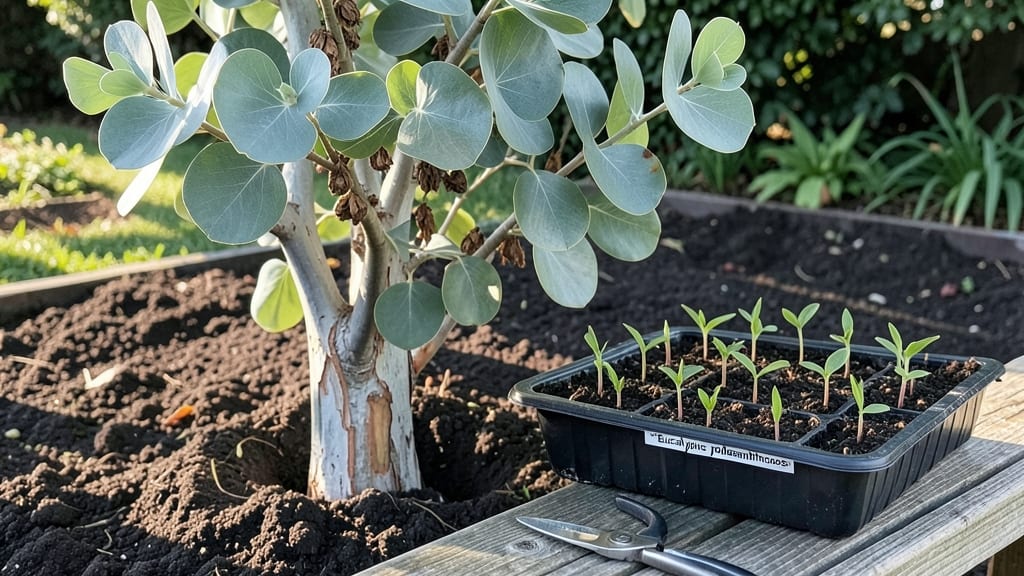
Growing rainbow gum tree seeds into a towering native beauty starts with patience and the right technique. 🌱 I’ve nurtured these striking canopies from tiny seeds, and the key is breaking dormancy early—most seeds need a quick cold soak to wake them up.
The payoff? A tree with vibrant foliage that thrives in full sun and well-draining soil, exactly what native landscapes need.
You’ll need just three supplies: a seed tray, a mix of sand and potting soil, and a spray bottle. After the cold soak, plant seeds shallowly and keep them moist but never soggy.
Germination can take 4-8 weeks, so consistency is everything—no rushing, no neglect. This slow start sets the stage for a sturdy, drought-resistant tree down the line.
Once sprouted, your seedlings will reward you with glossy, multi-colored leaves that catch the light like stained glass. With proper care, they’ll grow 3-6 feet per year in ideal conditions, eventually casting shade and providing habitat for local wildlife.
The challenge? Avoiding transplant shock—harden them off before moving to their permanent home.
Perfect for gardeners in zones 9-11 who want a low-maintenance native tree with dramatic impact. Whether you’re restoring a landscape or adding a focal point, these seeds deliver a future worth waiting for. Let’s get those roots growing!
Natural Triggers For Germination
Rainbow gum trees (Corymbia splendida) are stunning with their vibrant bark and lush foliage, but their seeds don’t sprout on demand—they need the right conditions to break dormancy.
Understanding why these seeds germinate (or struggle to) helps gardeners replicate success. Here’s a breakdown of the key factors at play:
Many gum tree seeds, including those from rainbow gums, enter a state called dormancy—a natural pause in growth that ensures they only sprout when conditions are ideal. For rainbow gum seeds, dormancy is often triggered by:
- Hard seed coat: The outer layer is tough and impermeable, blocking water and oxygen. Without physical or chemical breakdown, the embryo inside can’t activate. Pro tip: Scratching the seed coat with sandpaper (lightly!) or soaking in warm water for 24+ hours can mimic natural wear and tear.
- Chemical inhibitors: Some seeds release compounds that suppress germination until they’re washed away by rain or decomposed by soil microbes. Actionable fix: Pre-soak seeds in lukewarm water for 3–5 days, changing the water daily to leach out inhibitors.
Rainbow gum seeds are adapted to Australia’s variable climate, where wildfires and seasonal rains create temperature swings. These fluctuations signal the seed to:
- Break dormancy: Alternating hot and cool periods (e.g., 70°F–90°F during the day, dropping to 50°F–60°F at night) can trick seeds into thinking spring has arrived. Grower hack: Place seeds in a seedling tray on a heat mat (75°F–85°F) for 12 hours, then move them to a cooler spot (60°F–70°F) for the next 12 hours to mimic natural cycles.
- Avoid premature sprouting: Constant warmth (like a greenhouse without cooling) can exhaust the seed’s energy reserves before germination. Warning: Avoid placing seeds near radiators or in direct sunlight without ventilation.
Too little or too much water can derail germination. Rainbow gum seeds need:
- Moisture triggers: A sudden, deep soak (like a summer downpour) softens the seed coat and kickstarts metabolic activity. Method: Use a spray bottle to mist seeds daily until the soil is consistently damp (not soggy). A humidity dome helps retain moisture.
- Oxygen access: Waterlogged soil cuts off oxygen, suffocating the seed. Fix: Use a well-draining mix (e.g., 50% perlite, 50% peat moss) and ensure pots have drainage holes.
Pro tip: If seeds float after planting, they’re not viable—discard them and try fresh ones.
Contrary to popular belief, many gum tree seeds need light to germinate, not darkness. Here’s why:
- Photoblastic response: Seeds detect light through the soil to time germination with optimal growing conditions. How to help: Cover the seed tray with a thin layer of soil (¼ inch max) or use a clear plastic lid to filter light while keeping moisture in.
- Avoid deep planting: Burying seeds too deep (over ½ inch) blocks light and triggers rot. Best practice: Press seeds lightly into the soil surface or use a seed mat.
By aligning these natural triggers—whether through scratching seeds, mimicking temperature shifts, or balancing moisture—you’ll unlock the potential of rainbow gum tree seeds. The key is patience: some seeds may take 2–6 weeks to sprout, but consistency pays off! 🌱
Revive & Grow Your Rainbow Gum Tree
Struggling with your rainbow gum tree seeds? Whether they’re failing to sprout, growing unevenly, or succumbing to pests, these practical solutions will help you nurture a thriving canopy. Below, we break down common issues and their fixes—plus prevention tips to keep your trees healthy for years.
Cause: Poor soil conditions, improper moisture, or old seeds. Solution:
- 🔥 Soak seeds overnight in warm water to soften the hard outer shell.
- 🍳 Use a seed-raising mix (50% potting soil + 50% perlite or coarse sand) for drainage.
- 👨🍳 Plant shallowly—just ¼ inch deep—and keep soil consistently moist (not soggy).
- 🌡️ Maintain warmth (70–80°F) with a heat mat or sunny windowsill.
Prevention Tip: 💡 Store seeds in a cool, dry place and plant within 6 months for best results.
Cause: Overcrowding, insufficient light, or nutrient deficiency. Solution:
- 🔪 Thin seedlings to 2–3 inches apart to reduce competition.
- 🌞 Move to bright, indirect light (south-facing window or grow lights).
- 🍎 Fertilize lightly with a balanced liquid fertilizer (diluted to half strength) every 4–6 weeks.
Prevention Tip: ✨ Start with larger pots (3–4 inches deep) to avoid root binding.
Cause: Fungal growth (e.g., damping-off) or insect infestations (e.g., aphids). Solution:
- 🔥 For fungal issues: Water at the base (not overhead) and use a fungicide spray (neem oil or copper-based).
- 🍳 For pests: Spray seedlings with soapy water (1 tsp mild soap per quart of water) or introduce beneficial insects like ladybugs.
- 🌡️ Improve airflow by spacing plants and avoiding dense mulch.
Prevention Tip: 🎯 Sterilize tools and pots between uses to prevent cross-contamination.
With these fixes, your rainbow gum tree seeds should sprout strong and healthy. Stay consistent with care, and you’ll be rewarded with a vibrant, lush canopy in no time! For advanced growth tips, check out our pruning guide next.
Frequently asked questions
How long do rainbow gum tree seeds take to germinate?
Germination typically takes 4-8 weeks under ideal conditions. The process can be slower if seeds aren't pre-treated for dormancy. Use a heat mat to maintain 70-80°F soil temperatures and keep soil consistently moist (not soggy) to speed up sprouting.
Can I grow rainbow gum trees from seeds in containers?
Start seeds in 3-4 inch pots with well-draining soil mix (50% potting soil + 50% perlite). Keep containers in bright, indirect light and transplant outdoors only after seedlings reach 6-12 inches tall and have developed strong root systems.
Why aren't my rainbow gum tree seeds sprouting?
Common issues include unbroken seed coats, improper moisture, or incorrect temperatures. Try soaking seeds in warm water for 24 hours first, then plant in a 70-80°F environment with consistent moisture. If using older seeds (over 6 months), viability may be reduced.
What's the best soil mix for rainbow gum tree seedlings?
Use a lightweight, fast-draining mix of 50% potting soil and 50% perlite or coarse sand. This prevents root rot while providing enough nutrients for young plants. Avoid heavy garden soil which can compact and suffocate delicate roots.
How do I prevent damping-off disease in my seedlings?
Damping-off is caused by fungal growth in overly moist conditions. Water only at the base (not overhead), use sterilized pots, and ensure good airflow by spacing seedlings 2-3 inches apart. A light application of neem oil can also help prevent fungal issues.