
Shrubs
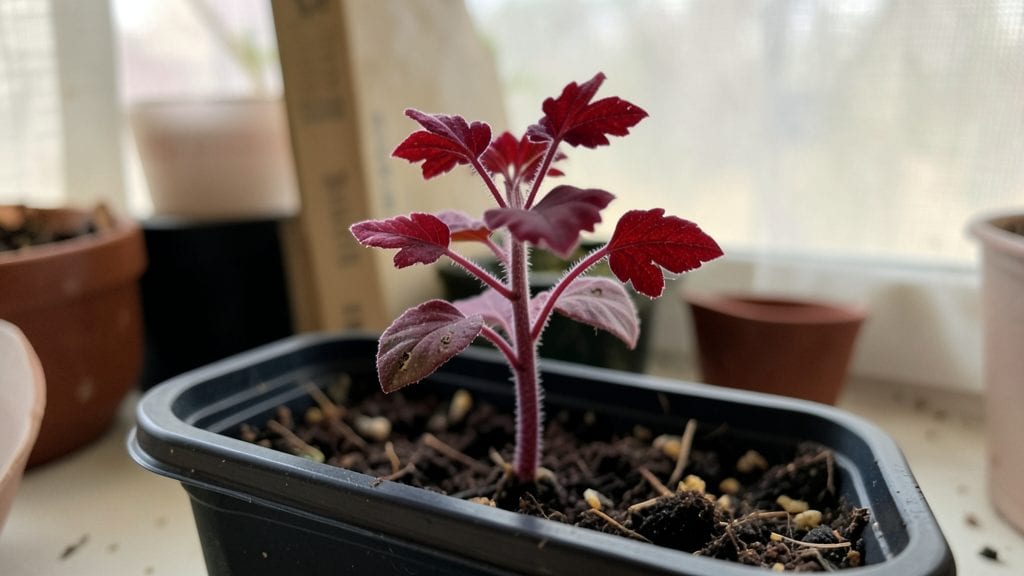
Growing red leaf seedlings transforms your yard into a living, jewel-toned privacy screen faster than you'd think. 🌿 The secret lies in selecting the right varieties—think red-tinged maples, Japanese maples, or even red-leaf dogwoods—that layer up beautifully over three seasons.
I learned this the hard way after planting fast-growing evergreens that turned into a boring green wall by year two.
Start with well-draining soil mixed with compost, and plant in early spring when roots can establish before summer heat. Most red-leaf varieties thrive in full sun to partial shade, but their color intensifies with morning sunlight.
Water deeply once a week after planting, then taper off as they mature—overwatering causes those stunning leaves to fade to dull green.
By year three, you’ll have a vibrant, multi-layered screen that blocks nosy neighbors while adding seasonal drama. The reds deepen in fall, then shift to burgundy or bronze before winter. Prune lightly in late winter to encourage dense growth, and watch your privacy screen become the envy of the block.
Works in zones 5-8, though some varieties handle cooler climates better. The key is patience—these plants grow 2-4 feet per year, but the color payoff makes every season worth it. Let’s get those seedlings in the ground!
📚 In This Guide
- What you need
- Instructions
- Tips and common mistakes
- Wrapping up and next steps
What you need
- ● Red leaf seedlings: 10–20 plants (depending on desired screen width; spacing ~3–4 ft apart)
- ● Well-draining potting mix: 5–10 gallons (look for a blend with perlite or vermiculite)
- ● Organic fertilizer: Balanced 10-10-10 or slow-release granules (1 lb per 10 plants)
- ● Mulch: 2–3 inches of shredded bark or wood chips (covers ~10 sq ft per bag)
- ● Watering can or hose with nozzle: For gentle, deep watering (1–2 gallons per plant initially)
- ● Garden gloves: A pair (to protect your hands from soil and thorns)
- ● Trowel or shovel: For digging planting holes (6–8 inches deep)
- ● Pruning shears: Sharp, bypass-style (for shaping and maintenance)
- ● Stakes or plant supports: 4–6 ft tall (if seedlings need temporary stability)
- ○ Drip irrigation system: (Optional but helpful for consistent moisture)
- ● Soil pH tester: (To ensure acidic to neutral soil, pH 6.0–7.0)
- ● Epsom salt: (1 tbsp per plant occasionally for magnesium boost)
- ● Plant labels: Waterproof tags (to track varieties and planting dates)
How to create a layered red leaf privacy screen
Here’s how to build a vibrant, multi-season privacy screen using bold foliage that thrives in sun or shade.
🌱 Step 1: Select Fast-Growing Red Leaf Plants
Start with a mix of 4 plants that mature at different rates for a staggered, lush effect. I recommend copper beech (for architectural structure), red oak (for deep burgundy foliage), Japanese maple (for delicate texture), and smoke bush (for fiery fall color). Choose saplings with 3-4 foot stems—they’ll establish faster than seedlings and create an instant screen.
Dig planting holes twice as wide as the root ball but no deeper. The top of the root ball should sit 1 inch above ground level to prevent rot. Space copper beech and red oak 12-15 feet apart, while Japanese maple and smoke bush can sit 6-8 feet apart—their smaller mature size keeps the design balanced.
☀️ Step 2: Plant in Sun or Partial Shade
Most red-leaf varieties tolerate full sun to partial shade, but Japanese maple thrives in morning sun with afternoon shade to prevent leaf scorch. Amend the planting hole with 2 gallons of compost mixed into the native soil—this boosts drainage and nutrient uptake, which red-leaf plants crave for vibrant color.
Water each plant with 1 gallon of water immediately after planting, then 2 gallons weekly for the first month. You’ll know they’re settled when new leaves emerge bright red—not green with red edges. Mulch with 3 inches of shredded bark to retain moisture and suppress weeds, but keep mulch 6 inches away from stems to prevent rot.
🌿 Step 3: Prune for Density in Year 1
In early spring, cut back any dead or crossing branches to open the canopy for airflow. Focus on removing 1/3 of the thinnest stems from each plant—this encourages bushier growth. For smoke bush, pinch back new growth by 1/4 inch to promote branching. You’ll see faster filling-in if you prune before buds swell in late winter.
By mid-summer, thin out any crowded branches that rub together. Use clean, sharp pruners to make cuts at a 45-degree angle just above a leaf node. Avoid heavy pruning now—wait until early spring for major shaping. The goal is 30-40% air space between branches to reduce disease risk.
⏰ Step 4: Fertilize for Deep Color
Apply a slow-release, iron-rich fertilizer in early spring and again in late summer. I use 10-10-10 at ½ pound per plant—the iron boosts red pigmentation, while nitrogen supports leaf growth. Water deeply 24 hours before and after applying fertilizer to prevent root burn. You’ll notice brighter foliage within 4-6 weeks of application.
In fall, stop fertilizing and focus on watering deeply every 10-14 days unless rain provides 1 inch of moisture. Red-leaf plants store energy in their roots for winter, so avoid late-season nitrogen—it encourages tender new growth that won’t survive frost.
🪴 Step 5: Layer for Year-Round Interest
After 3 years, your screen should reach 10-12 feet tall with 50% coverage. Add evergreen shrubs like dwarf holly or boxwood at the base for winter structure. Plant them 3 feet from the tree line to avoid root competition. Mulch annually with 2 inches of compost in spring to replenish nutrients.
Watch for leaf color fading—this usually means low iron or overwatering. Adjust by adding iron chelate in early spring or letting the top 2 inches of soil dry between waterings. With consistent care, your screen will block light while adding seasonal drama from spring through fall.
Tips & tricks for perfect red leaf privacy screens
A few strategic moves will ensure your red leaf privacy screen thrives with vibrant color and sturdy growth for years to come.
Plant Selection Wisdom: When choosing your 4 plants, look for saplings with 3-4 foot stems that have already developed a strong root system. Avoid plants with yellowing leaves or brittle branches—they won't recover well. I always inspect the root ball for any signs of girdling (roots circling the root ball) before purchasing, as this can strangle the plant as it grows. For the Japanese maple, select varieties like 'Bloodgood' or 'Shishigashira'—they're the most reliable for consistent red foliage.
Soil Preparation Secret: Before planting, test your soil's pH—most red-leaf plants prefer slightly acidic soil between 5.5 and 6.5. If your soil is too alkaline, amend with 2 gallons of peat moss mixed into the planting hole. The 2 gallons of compost mentioned in Step 2 should be well-aged (not fresh) to prevent nitrogen burn. I've found that adding a handful of Epsom salt (magnesium sulfate) to the compost mix gives an extra boost to red pigmentation.
Watering Strategy: The initial 1 gallon of water after planting is crucial, but what happens next matters just as much. After that first month of 2 gallons weekly, reduce to 1 gallon every 10 days once the plants are established (after 6-8 weeks). Water deeply at the base rather than sprinkling leaves—this encourages deep root growth. I always water in the early morning to allow foliage to dry before evening, which helps prevent fungal diseases.
Pruning Precision: When you're removing 1/3 of the thinnest stems in early spring, cut back to just above a leaf node where new growth will emerge. For the smoke bush, that 1/4 inch pinch should be done with your fingers—not pruners—to avoid damaging the tender new growth. Remember that 30-40% air space between branches isn't about random pruning; it's about creating a dome shape that allows light to penetrate to the lower branches, ensuring your entire screen gets sunlight.
Pro Tips for Red Leaf Seedling
- A few strategic moves will ensure your red leaf privacy screen thrives with vibrant color and sturdy growth for years to come.
- Plant Selection Wisdom: When choosing your 4 plants, look for saplings with 3-4 foot stems that have already developed a strong root system.
- Soil Preparation Secret: Before planting, test your soil's pH—most red-leaf plants prefer slightly acidic soil between 5.5 and 6.5.
Frequently asked questions
Got questions about growing a stunning red leaf seedling for your privacy screen? Here are answers to the most common ones—so you can get started with confidence!
How long does it take for a red leaf seedling to grow into a full privacy screen?
A mature red leaf seedling (like Cotinus coggygria or Prunus serotina varieties) typically reaches 10–15 feet tall in 3–5 years with proper care. For a dense screen, plant seedlings 6–8 feet apart—layering their growth over time creates a lush, colorful barrier faster than you’d expect!
When is the best time to plant a red leaf seedling?
Plant your seedling in early spring or fall when soil temps are mild (50–70°F). Avoid extreme heat or frost, as young roots are sensitive. Spring planting gives seedlings time to establish roots before summer, while fall planting lets them settle before winter dormancy. Pro tip: Water deeply after planting to reduce transplant shock!
Can I grow a red leaf seedling from seed, or should I buy a nursery plant?
While some red leaf varieties (like smoke bush) can be grown from seed, it takes 2–3 years for seedlings to develop their signature color. For faster results, opt for a 1–2 year-old nursery plant—it’ll already have vibrant foliage and a stronger root system to hit the ground running!
Why are my red leaf seedlings turning yellow or dropping leaves?
Yellowing leaves or leaf drop often signal overwatering, underwatering, or nutrient deficiencies. Check soil moisture—red leaf seedlings prefer well-draining soil and hate soggy roots. Yellow edges? Likely underwatering or low humidity. Brown spots? Fungal issues from poor airflow. Adjust care and fertilize lightly with a balanced 10-10-10 mix to revive your plant!
Will my red leaf seedling retain its color all year, or is it seasonal?
The vibrant red/purple hues of seedlings like smoke bush or red twig dogwood are most intense in spring and fall. In summer, leaves may shift to green or bronze, while winter dormancy fades colors to muted tones. Don’t worry—your plant’s structural beauty (like striking stems or winter bark) keeps it eye-catching year-round!
Wrapping up and next steps
Growing a red leaf seedling into a stunning, layered privacy screen is a rewarding journey that blends patience with beauty. 🌿 With the right care—sunlight, soil, and occasional pruning—you’ll enjoy vibrant foliage and natural shade in just three years.
Whether you’re a beginner or a seasoned gardener, this project is a fantastic way to transform your outdoor space into a serene, colorful retreat.
Ready to take the next step? Start by selecting your seedlings today and watch your privacy screen flourish! 🌱