Landscaping
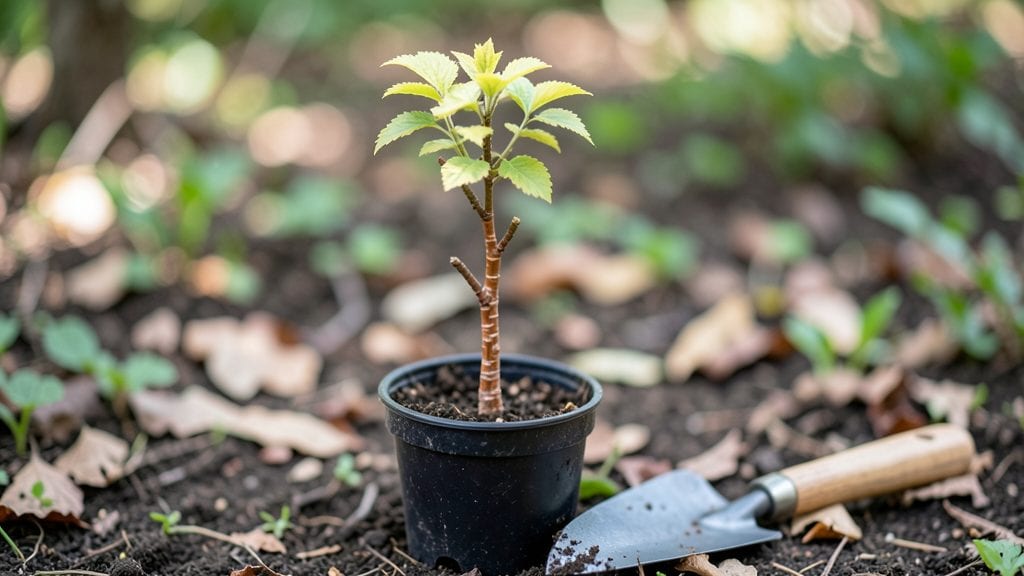
Growing river birch seedlings from scratch cuts years off your privacy screen timeline. 🌱 I’ve watched these delicate starts turn into striking trees with peeling bark and lush canopies—all in just a few seasons when you nail the early steps.
The key isn’t just patience; it’s matching their needs to your climate faster than typical tree growth allows.
You’ll need well-draining soil, a spot with morning sun and afternoon shade, and consistent moisture—no soggy roots, no drought stress. Most gardeners overlook the seedling’s first winter, but protecting it from frost with mulch makes all the difference.
Within 12-18 months, you’ll see that signature river birch shape emerging, and the peeling bark begins its dramatic show.
The payoff is a natural privacy screen that grows with you—no fences, no chain links, just towering branches that block wind and noise. By year three, your seedlings will cast shade and provide year-round cover, their white bark glowing against winter’s bare branches.
Here’s how to get them there without the wait.
Works in zones 4-9, though southern gardeners should plant in fall for cooler root establishment. Northerners can start seeds indoors in early spring. The secret? Fast germination meets long-term care—no shortcuts, just smart steps.
📚 In This Guide
- What you need
- Instructions
- Tips and common mistakes
- Wrapping up and next steps
What you need
- ● River birch seeds: 10–20 seeds (fresh or stored properly for best germination rates).
- ● Seed-starting mix: 2–3 gallons of sterile, well-draining potting soil (or coco coir for moisture retention).
- ● Containers: 3–5 small pots (4–6 inches deep) with drainage holes or a seed tray with individual cells.
- ● Grow lights or sunny windowsill: A full-spectrum LED grow light (12–16 hours/day) or a south-facing window with indirect light.
- ● Misting bottle or spray nozzle: For gentle hydration without disturbing seeds.
- ○ Plastic wrap or humidity dome: To create a mini greenhouse effect (optional but recommended for humidity).
- ● Thermometer: To monitor soil temps (ideal: 65–75°F for germination).
- ● Fertilizer: A balanced, water-soluble fertilizer (5-10-5 ratio) for seedlings (diluted to half-strength).
- ● Heat mat: To accelerate germination if your space is cool.
- ● pH test kit: Ensure soil pH is 5.0–6.5 (river birch prefers slightly acidic soil).
- ● Transplanting tools: Small trowel or spoon for delicate seedling moves.
- ● Epsom salt: A pinch (1 tsp/gallon of water) for magnesium boost during early growth.
- ● Label markers: To track planting dates and varieties (trust us, it helps!).
Step-by-step instructions for growing river birch seedlings
Here’s how to coax fast germination and sturdy seedlings for that lush, year-round privacy screen.
🌱 Step 1: Soak Seeds for 24 Hours
River birch seeds have tough outer shells that slow germination. Place them in a bowl of lukewarm water and let them soak overnight. You’ll see the shells soften and some seeds may even crack open—this is normal. Drain and rinse them before planting to remove any residue.
Don’t skip this step. Soaking ensures consistent germination and prevents the seeds from sitting dormant for months. If your water feels cool, add a splash of warm water to maintain 70-75°F—this mimics spring soil temperatures and speeds up sprouting.
🪴 Step 2: Plant in Well-Draining Soil Mix
Fill a seed tray with a blend of 50% peat moss and 50% perlite to create a loose, airy medium. Press the mix down lightly so it’s firm but not compacted. Plant seeds ¼ inch deep, spacing them 2 inches apart—birch seedlings need room to grow without competing for nutrients.
Gently cover the seeds with the soil mix and mist the surface with water until evenly moist. Avoid soaking the tray, as birch seeds rot quickly in waterlogged conditions. You’ll know the moisture is right when the soil looks damp but doesn’t glisten.
☀️ Step 3: Provide Warmth and Indirect Light
Place the tray in a spot with bright, indirect light—a north-facing window or under a grow light set to 12 hours daily. Birch seedlings germinate best at 75-80°F, so if your home runs cooler, use a seedling heat mat to maintain warmth. You should see sprouts in 14-21 days.
Once the first true leaves appear (not the initial seed leaves), move the seedlings to a slightly cooler spot (65-70°F) to prevent leggy growth. Leggy seedlings stretch toward light and become weak, so keep the light source within 6 inches of the tray.
💧 Step 4: Water and Fertilize Lightly
Water seedlings when the top inch of soil feels dry, using a spray bottle to avoid disturbing the delicate roots. Overwatering is the biggest killer of young birch seedlings—always check moisture before adding more water. Once the seedlings have 4-5 leaves, switch to a balanced 10-10-10 fertilizer diluted to half strength.
Fertilize every 4 weeks to encourage strong root development. You’ll notice new growth within a week of applying fertilizer—this is your signal that the seedlings are thriving. If leaves yellow, flush the soil with water to prevent salt buildup from over-fertilizing.
✂️ Step 5: Transplant When Ready for Outdoors
After 8-10 weeks, when seedlings reach 6-8 inches tall and have a sturdy stem, it’s time to move them outdoors. Harden them off by placing them in a sheltered spot for 2 hours daily, gradually increasing exposure over 10 days. Plant in a location with partial shade and well-draining soil.
Dig holes twice as wide as the root ball but no deeper. Space seedlings 10 feet apart for a dense privacy screen. Water deeply after planting to settle the soil and encourage root establishment. Within a year, you’ll have a lush, fast-growing birch screen that outpaces many other trees.
Tips & tricks for fast river birch seedling germination
Fast germination starts with the right preparation—and avoiding these common pitfalls will give you a head start on that lush privacy screen.
Soaking Strategy: The 24-hour soak is non-negotiable for river birch seeds, but here's the trick: use a breathable container like a fine-mesh strainer instead of a sealed bowl. This prevents anaerobic conditions that can cause seeds to rot. I also like to add a splash of hydrogen peroxide (3%) to the soaking water—just a teaspoon per quart—to disinfect the shells and prevent mold. The 70-75°F temperature range is critical; if your tap water runs cooler, nestle the bowl in a warm spot like above the fridge for consistent heat.
Soil Science: That 50/50 peat moss and perlite mix might seem simple, but the key is in the pressing. Don't compact it too firmly—you want it to hold seeds in place while still allowing water to drain freely. Think "lightly packed snow" consistency. For faster germination, I add a thin layer of sphagnum moss (about ¼ inch) on top after planting. This retains just enough moisture without smothering the seeds, and it mimics their natural forest floor habitat.
Lighting Hack: Those 12 hours of daily light are crucial, but placement matters more than you'd think. Position your seed tray so the light source is directly above—not at an angle. This prevents seedlings from growing lopsided as they reach toward the light. If using a grow light, keep it 6 inches away at all times; closer distances can scorch delicate seedlings. I've found that a simple LED bulb with a full spectrum works better than cheap fluorescent options—they provide the right balance of blue and red light for photosynthesis.
Transplant Timing: The 8-10 week mark for transplanting is a guideline, but don't wait until the last minute. When seedlings reach 6-8 inches, gently tug on the tallest one—if it comes out with minimal resistance, it's ready. I always transplant on an overcast day or in late afternoon to reduce stress on the seedlings. After planting, create a small water well around each seedling and fill it completely—this ensures water reaches the roots without runoff. The 10-foot spacing might seem generous, but it prevents future crowding and gives each tree room to develop its signature peeling bark.
Pro Tips for River Birch Seedling
- Fast germination starts with the right preparation—and avoiding these common pitfalls will give you a head start on that lush privacy screen.
- Soaking Strategy: The 24-hour soak is non-negotiable for river birch seeds, but here's the trick: use a breathable container like a fine-mesh strainer instead of a sealed bowl.
- Soil Science: That 50/50 peat moss and perlite mix might seem simple, but the key is in the pressing.
Frequently asked questions
Got questions about growing river birch seedlings? You’re in the right place! Here are answers to the most common queries—from planting tips to troubleshooting—so you can get your fast-growing privacy screen off to a great start.
How long does it take for river birch seedlings to germinate?
River birch seeds typically germinate within 2–4 weeks when planted in warm, moist soil (60–70°F). Cold stratification (chilling seeds for 30–60 days) can speed this up if you’re sowing in early spring. For faster results, opt for container-grown seedlings—they bypass germination entirely!
Can I plant river birch seedlings year-round, or is there a best time?
While river birch is adaptable, spring (after frost) or early fall (before hard freezes) are ideal. Avoid planting in extreme heat or cold, as seedlings struggle to establish roots. If you’re in a mild climate, late winter (with protection) can work—but monitor soil moisture closely!
How often should I water river birch seedlings?
Keep soil consistently moist but not soggy for the first year. Water deeply 2–3 times per week (more in drought or full sun). Once established, they tolerate drought better, but young seedlings need regular hydration to prevent stress. Mulch (2–3 inches) helps retain moisture and suppress weeds.
What’s the best alternative if river birch seedlings take too long to grow?
If you need faster privacy, consider these speedy alternatives:
- Leyland cypress – Grows 3–4 feet per year (but needs pruning).
- Arborvitae (Thuja) – Dense, evergreen, and drought-tolerant.
- Bald cypress – Thrives in wet soil and grows quickly.
- Pre-grown river birch saplings – Skip germination entirely with 3–5 ft trees.
Why are my river birch seedlings turning yellow or wilting?
Yellowing leaves often signal overwatering, poor drainage, or nutrient deficiency. Wilting can mean underwatering or root stress. Check these fixes:
- Ensure soil drains well (amend with compost if clay-heavy).
- Water at the base, not overhead, to prevent fungal issues.
- Fertilize lightly with balanced 10-10-10 in early spring.
- Watch for spider mites or aphids—spray with neem oil if needed.
Wrapping up and next steps
Growing a river birch seedling is a rewarding way to add beauty and privacy to your landscape—no matter the season!
With the right soil, patience, and care, you’ll soon enjoy the elegant, peeling bark and lush foliage this tree offers. Start small, stay consistent, and watch your seedling thrive into a stunning centerpiece.
Ready to take the next step? Plant your seedling in a sunny spot, mulch well, and monitor its progress. Before you know it, you’ll have a thriving river birch that brings shade, texture, and year-round charm to your outdoor space! 🌳✨