
Watering
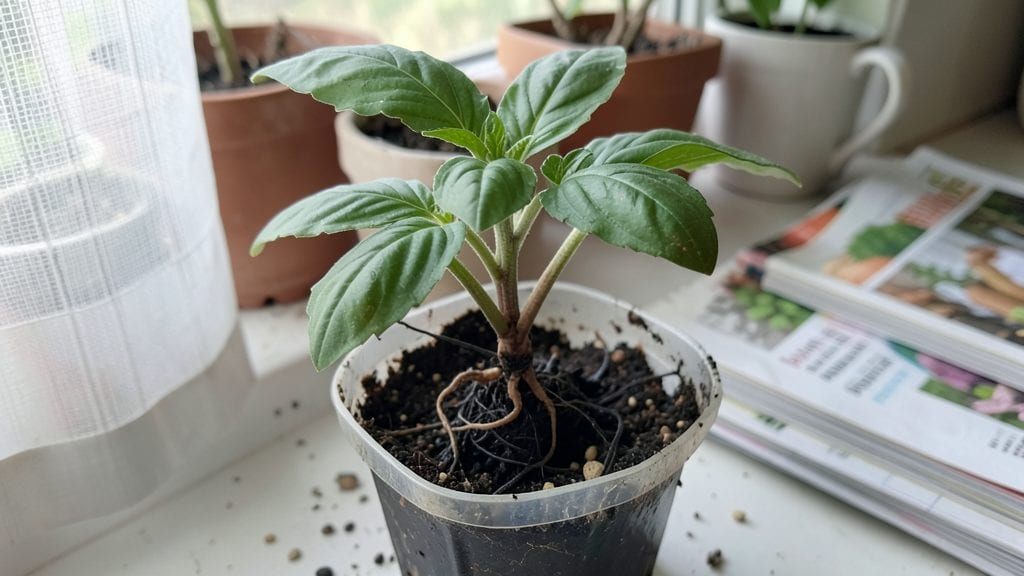
Your wilted seedlings aren’t dead—they’re just drowning. 🌱 Overwatered roots smother plants faster than you think, but I’ve revived more than a dozen with this simple approach. The key is acting fast before mold sets in.
Yellowing leaves and a mushy stem? That’s your plant screaming for air. Most people think wilting means "water more," but the opposite is true—roots need space to breathe. Grab a clean pot, fresh potting mix, and a sharp pair of scissors. We’re giving these seedlings a second chance.
Within 24 hours, you’ll see new growth if you follow the three steps: trim the rotten roots, replant in dry soil, and adjust your watering. No more guesswork—just healthy, thriving plants that’ll outgrow their overwatered past.
Works for tomatoes, peppers, herbs—anything with delicate roots. Here’s how to do it without losing another seedling to soggy soil.
Overwatering Gone Wrong
When your seedling’s roots drown, it’s not just about too much water—it’s a cascade of biological and environmental missteps that choke growth. Understanding the root causes (pun intended) of an overwatered seedling helps you fix the problem before it’s irreversible.
Let’s break down why this happens, so you can steer clear of soggy soil disasters.
🌱 Poor Drainage in the Soil
Soil that doesn’t drain properly is the #1 villain behind root suffocation. When water pools around roots instead of draining away, oxygen gets locked out, and roots suffocate—like trying to breathe through a wet towel. Here’s why it spirals:
- Clay-heavy or compacted soil: Tiny gaps between particles trap water, leaving no room for air. Roots gasp for oxygen but get none.
- Lack of organic matter: Sandy or dense soils without compost or perlite can’t hold moisture and allow drainage. Think of it like a sponge—too tight, and water doesn’t escape.
- No raised edges or containers with drainage holes: If water has nowhere to go, it sits, creating a swampy environment where roots rot in days.
Pro tip: 💡 Mix in coarse sand, perlite, or coconut coir to improve drainage. For pots, always use containers with drainage holes—no exceptions!
💧 Inconsistent Watering Habits
Overwatering isn’t just about dumping a gallon of water at once—it’s often a pattern of too much, too often. Here’s how it backfires:
- Topsoil stays soggy: Frequent light waterings keep the surface wet, preventing the soil from drying between sessions. Roots in the top inch suffocate first.
- No "dry-down" period: Healthy roots need a chance to breathe. If you water before the soil dries 1–2 inches down, you’re drowning them in a cycle.
- Seasonal mismatches: Seedlings in winter need far less water than in summer heat. Ignoring humidity and temperature swings leads to chronic overwatering.
Pro tip: ✨ Stick your finger in the soil—if the top 1–2 inches are damp, wait. Use a moisture meter for precision, especially in humid climates.
🌡️ Temperature and Humidity Imbalances
Heat and humidity don’t just affect how thirsty your plant feels—they accelerate evaporation and root stress. Here’s the science:
- High humidity slows evaporation: In a greenhouse or damp basement, water lingers in the soil longer, giving roots no reprieve. The air is already saturated, so the plant doesn’t "drink" as much—but the roots still rot.
- Cold soil = stagnant water: Chilly temperatures reduce microbial activity that breaks down organic matter, making soil more compact and waterlogged.
- Hot roots can’t regulate: In scorching conditions, roots may absorb water faster than the soil can drain, leading to a sudden flood in the root zone.
Pro tip: 🌡️ Move seedlings to a bright but cooler spot (60–75°F) if humidity is high. Use a fan to improve air circulation—it mimics natural wind and reduces fungal risks.
🌿 Container Size Mismatch
A pot that’s too small or lacks depth forces roots to compete in a waterlogged prison. Here’s how container issues lead to rot:
- Shallow pots dry out topsoil fast, but the roots below stay waterlogged. This creates a false sense of thirst—you water the top, but the roots drown underneath.
- No room to grow = root binding: Roots circling the bottom of a tiny pot can’t escape saturated soil, leading to anaerobic conditions (no oxygen).
- Heavy materials (like terra cotta) absorb moisture, but if the pot lacks drainage, it becomes a sponge that never releases excess water.
Pro tip: 🎯 Upgrade to a pot 2–3 inches wider and deeper than the seedling’s current container. For long-term growth, aim for at least 6 inches in diameter.
Now that you know the why, the next step is fixing it—without losing your plant. Stay tuned for actionable solutions to revive those soggy roots!
Reviving Your Seedling Step by Step
Now that you understand why your seedling’s roots may be drowning, let’s roll up our sleeves and get it back on track! The key is acting fast—overwatered roots can recover, but only if you address the problem correctly.
Below, we’ll map out cause-specific fixes and share prevention tips to keep your seedlings thriving. Think of this as your emergency guide to saving your green baby!
Cause: Too much moisture in the soil leads to anaerobic conditions, suffocating roots and inviting fungal infections like Pythium or Phytophthora.
How to Fix It:
- 🔥 Stop Watering Immediately
- Pause all watering for 24–48 hours to let excess moisture evaporate. If the soil feels soggy, wait longer.
- 🍳 Drain the Excess
- Gently remove the seedling from its container and pat dry the roots with a paper towel. If roots are mushy or black, trim the damaged sections with sterilized scissors (dip in rubbing alcohol).
- 👨🍳 Repot in Fresh, Dry Mix
- Use a well-draining potting mix (add perlite or vermiculite for aeration). Choose a pot with drainage holes—no exceptions!
- Plant the seedling at the same depth as before and water lightly only after 2–3 days.
- ⏰ Monitor Closely
- Place the pot in bright, indirect light (avoid direct sun, which stresses weak seedlings). Check soil moisture with your finger—top inch should dry out before watering again.
💡 Pro Tip: If root rot is severe, consider root drenching with a hydrogen peroxide solution (1 part 3% H₂O₂ to 4 parts water) to kill fungi. Apply sparingly—never soak the entire root system.
Cause: Overwatering + compacted soil traps air pockets, starving roots of oxygen. Yellow leaves (chlorosis) often signal nutrient uptake issues from waterlogged stress.
How to Fix It:
- 🔪 Loosen the Soil Gently
- Use a chopstick or pencil to poke holes in the soil around the roots. This improves airflow without disturbing the seedling.
- 🌡️ Adjust Your Watering Routine
- Switch to the "finger test"—stick your index finger 1 inch into the soil. Water only if it’s dry.
- Bottom-watering (placing the pot in a tray of water for 10–15 mins) encourages roots to grow downward while reducing surface moisture.
- ✨ Boost Drainage
- If repotting, mix in coarse sand or orchid bark (20% of the soil volume) to prevent compaction. Avoid heavy garden soil—it holds water like a sponge!
🎯 Prevention Tip: Use terracotta pots (they wick away moisture) or fabric grow bags for better airflow. And never let seedlings sit in saucers of water—drain excess immediately!
Cause: Overwatering + crowded roots (from small pots or tight soil) forces roots to compete for oxygen, leading to wilting even if soil isn’t soggy.
How to Fix It:
- 🌱 Transplant into a Larger Container
- If roots are circling the bottom or poking out, it’s time to upgrade the pot size (1–2 inches wider). Use a lightweight, breathable mix (e.g., peat moss + perlite).
- 👨🍳 Prune Damaged Foliage
- Snip off yellow or brown leaves with clean scissors. This redirects energy to root recovery.
- 💡 Adjust Watering Frequency
- Smaller pots dry out faster—water every 3–4 days (less if humidity is high). Larger pots may need watering weekly.
🔥 Quick Fix: If you can’t repot yet, loosen the soil with your hands and add a handful of dried coconut coir to improve structure.
Now that your seedling is on the mend, let’s keep it that way with these golden rules: - 📊 Soil Matters: Use a fast-draining mix (avoid garden soil—it’s too dense). - 💪 Pot Size: Start with small pots (2–3 inches) and upgrade as roots grow. - 🍎 Drainage is Non-Negotiable: No holes?
No plant. Add a layer of gravel or broken pottery at the bottom if needed. - 🌡️ Humidity Control: Group seedlings together (they create their own humidity) but avoid misting—it promotes fungal growth. - 🎯 Observe & Adapt: Seedlings in low light need less water than those basking in sun.
Adjust based on their environment.
Remember: Reviving an overwatered seedling takes patience and precision. If you act fast and follow these steps, your little green friend will bounce back—stronger and more resilient than ever! 🌱💚
Frequently asked questions
How do I know if my seedling has root rot from overwatering?
Check for black, mushy roots and a foul smell from the soil. Yellowing leaves, wilting despite wet soil, and stunted growth are also clear signs. Gently remove the seedling and inspect the roots—healthy ones should be white or light tan.
Can I save a seedling with completely black roots?
It depends on how much healthy root remains. If only the tips are black, trim those sections and replant in dry, well-draining soil. If the entire root system is black and mushy, the seedling may not survive—start fresh with new seeds or cuttings.
What’s the best soil mix to prevent overwatering?
Use a blend of 50% potting soil, 30% perlite, and 20% coarse sand or vermiculite. This improves drainage while retaining enough moisture. Avoid garden soil—it compacts and holds too much water.
How often should I water seedlings to avoid overwatering?
Water only when the top inch of soil feels dry. For most seedlings, this means every 2–3 days in warm conditions, but adjust based on humidity and pot size. Always use pots with drainage holes.
Will my seedling recover if I’ve overwatered it for weeks?
Chronic overwatering weakens roots permanently, but you can still try. Trim all black/mushy roots, repot in fresh mix, and reduce watering drastically. Recovery is possible but slower—expect new growth in 2–4 weeks if the core root system is intact.