
Lawn
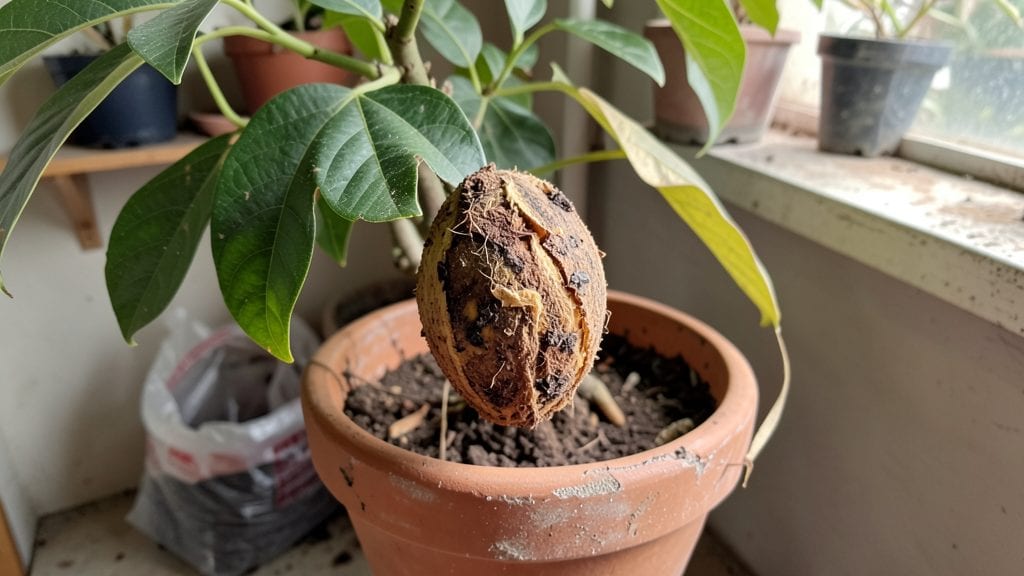
Even that rotten mango seed you discarded might still sprout into a thriving tree—here’s how I’ve coaxed life from the seemingly lost. The key isn’t magic—it’s understanding why seeds rot in the first place and how to break the cycle before it starts.
Most rot happens from too much moisture, poor airflow, or storing seeds in damp conditions. You’ll spot the problem with black fuzz, a sour smell, or a seed that feels mushy instead of firm.
The good news? Even if the seed looks hopeless, a quick soak in hydrogen peroxide or a drying cure can sometimes bring it back to life.
With the right technique, you’ll watch that seed sprout within 2-4 weeks, growing into a sturdy sapling with glossy leaves. The trick is patience—mango trees take years to bear fruit, but the journey starts with just one seed. Let’s turn that rot into roots.
Works for any tropical seed stored in humid climates. Here’s how to assess, revive, and replant—without losing another seed to the trash.
The Hidden Triggers Behind Spoiled Seeds
Understanding why a mango seed goes bad is the first step to saving it—and growing a healthy tree. Spoilage doesn’t happen by accident; it’s usually the result of specific conditions that disrupt the seed’s natural dormancy and viability. Let’s break down the science behind the most common culprits.
Seeds are designed to survive dry conditions, but too much moisture can drown them—literally.
When a mango seed absorbs excess water, two things happen: - Anaerobic conditions: Without enough oxygen, microbial activity (like fungi and bacteria) thrives, breaking down the seed’s stored nutrients. - Enzymatic breakdown: Water triggers enzymes that accelerate the seed’s metabolism, depleting its energy reserves faster than it can replenish them.
Actionable fix: If you’re storing seeds, keep them in a dry, well-ventilated container (like a paper towel-lined bag) with a desiccant packet (like silica gel). Never store them in plastic bags or damp environments.
Mango seeds are tropical creatures—they hate extremes. Heat above 90°F (32°C) for prolonged periods can:
- Denature proteins: Heat disrupts the seed’s protein structure, making it unable to sprout.
- Accelerate respiration: The seed burns through its energy reserves too quickly, leaving nothing for germination.
On the flip side, freezing temperatures (below 32°F/0°C) cause:
- Cell membrane damage: Ice crystals puncture the seed’s delicate tissues, leading to irreversible damage.
- Metabolic shutdown: The seed’s biochemical processes halt, and it may never recover.
Actionable fix:
- Store seeds in a cool, dark place (like a pantry or root cellar) at 60–70°F (15–21°C).
- If you must refrigerate, wrap the seed in a damp paper towel and place it in a sealed plastic bag to prevent freezing.
A mango seed needs to dry out just enough before storage—neither too wet nor too brittle.
If you: - Harvest the seed too soon (still soft and moist), it won’t have developed the protective layers needed for long-term storage. - Over-dry it (until it’s powdery), the embryo inside may desiccate and die.
The ideal drying process:
- Extract the seed from the fruit immediately after picking.
- Rinse gently to remove pulp, then pat dry with a paper towel.
- Air-dry for 3–5 days in a shady, well-ventilated spot (not direct sunlight).
- Test readiness: The seed should feel light but not hollow when shaken.
Pro tip: 💡 If your seed is already too dry, soak it in lukewarm water for 24 hours before replanting—this can sometimes revive it.
Seeds are a buffet for microbes, especially if they’re damaged or stored improperly. Common culprits:
- Fungi (like Aspergillus or Penicillium): Release toxins that rot the seed from the inside out.
- Bacteria (like Pseudomonas): Cause soft rot, making the seed mushy and unviable.
Signs of infection:
- Black or green mold on the surface.
- Unpleasant odor (sour, fermented, or rotten).
- Slimy texture when touched.
Actionable fix:
- Disinfect before storage: Wipe the seed with a 10% bleach solution (1 part bleach to 9 parts water) for 1 minute, then rinse and dry.
- Store in a sterile environment: Use a container with a tight-sealing lid and avoid stacking seeds directly on soil or compost.
A mango seed’s outer shell is tough, but cracks or bruises create entry points for microbes and moisture.
Common mistakes: - Squeezing too hard when extracting the seed (e.g., using a knife or hammer). - Scratches from rough surfaces (like a wooden cutting board). - Freeze-thaw cycles (if stored outside in cold climates).
Actionable fix:
- Use a clean, sharp tool (like a serrated knife) to split the mango gently along its seam.
- Handle with gloves to avoid oils from your skin (they can encourage mold).
- Inspect before storage: Discard any seeds with visible cracks, splits, or discoloration.
Mango seeds have a limited shelf life—typically 3–6 months under ideal conditions. After that:
- Lipid peroxidation: The seed’s fats oxidize, creating free radicals that damage cells.
- Loss of viability: The embryo’s DNA and proteins degrade, making germination impossible.
Signs your seed has outlasted its prime:
- Hard, shriveled exterior (no give when pressed).
- No response to soaking (floats instead of sinking).
- No signs of sprouting after 2–3 weeks in moist conditions.
Actionable fix:
- Test viability before long-term storage: Soak the seed overnight—if it sinks, it’s still alive. If it floats, it’s likely dead.
- Prioritize planting: If you’re not ready to grow the tree, store seeds for no more than 6 months.
Quick Fixes for Saving Your Mango Seed
Reviving a rotten or spoiled mango seed might seem like a lost cause, but with the right steps, you can still coax life back into it and grow a healthy mango tree. The key is acting fast and addressing the root of the problem—whether it’s mold, over-ripeness, or improper storage.
Below are practical, step-by-step solutions tailored to the most common causes of seed spoilage, plus prevention tips to keep future seeds in top condition.
Mold and rot are the biggest enemies of a mango seed, but you can still salvage it with these steps:
🧼 Step 1: Wash and Disinfect the Seed
- Rinse the seed under lukewarm water to remove any mold or debris.
- Soak it in a 1:10 diluted hydrogen peroxide solution (1 part hydrogen peroxide to 10 parts water) for 5–10 minutes to kill fungi and bacteria.
- Pro Tip: 💡 If the mold is deep-seated, gently scrub the seed with a soft brush to remove affected outer layers.
🌱 Step 2: Dry It Thoroughly
- Pat the seed dry with a paper towel (never use fabric, as it traps moisture).
- Place it in a well-ventilated area (like a sunny windowsill) for 1–2 days until completely dry.
- Warning: ⏰ Do not rush drying—excessive heat can crack the seed, killing the embryo inside.
🌱 Step 3: Test for Viability
- Fill a glass of water and drop the seed in. If it sinks, the seed is still viable (even if moldy).
If it floats, it’s likely dead. - Quick Fix: If it sinks but has mold, repeat the hydrogen peroxide soak before planting.
🌱 Step 4: Plant Immediately
- Plant the dried seed in well-draining potting soil (mix in perlite or sand for aeration).
- Water lightly and keep the soil moist but not soggy.
- Place the pot in indirect sunlight (a bright windowsill or under a shade cloth) until germination (which can take 2–6 weeks).
An overly ripe or dried-out seed can still be revived with proper rehydration:
💧 Step 1: Rehydrate the Seed
- Soak the seed in room-temperature water for 4–6 hours to plump it up.
- Pro Tip: 🌡️ If the seed feels hard as a rock, soak it overnight (but don’t exceed 12 hours).
🌱 Step 2: Encourage Germination
- Wrap the rehydrated seed in a damp paper towel and place it in a ziplock bag (leave a small gap for airflow).
- Store it in a warm, dark place (like a seedling heat mat or on top of a fridge) for 3–5 days.
- Check daily—once the seed sprouts a tiny root (radicle), plant it in soil.
🌱 Step 3: Transplant Carefully
- Plant the sprouted seed 1 inch deep in moist, well-draining soil.
- Keep the soil consistently damp (not waterlogged) and place the pot in bright, indirect light.
- Warning: ⚠️ Avoid direct sunlight at first—young seedlings can scorch.
Cold exposure can slow down or halt germination, but you can still revive it:
🔥 Step 1: Warm It Up Gradually
- Place the seed in a bowl of warm (not hot) water for 1–2 hours to thaw it gently.
- Pro Tip: 🔥 If the seed is rock-hard, let it sit in water overnight.
🌱 Step 2: Speed Up Germination
- After thawing, follow the rehydration steps above (soak in water, then wrap in a damp paper towel).
- For extra warmth, place the bag near a heat source (like a sunny window or a seedling heat mat).
- Germination may take longer (3–8 weeks), so be patient.
🌱 Step 3: Protect the Seedling
- Once sprouted, keep the young plant in a humid environment (use a plastic cover or humidity dome).
- Acclimate it to outdoor conditions slowly (harden off) before moving it to a garden.
Stop spoilage before it starts with these easy habits:
✅ Store seeds properly:
- Keep seeds in a cool, dry place (like a sealed container in the fridge).
- Use paper towels or silica gel packets to absorb excess moisture.
✅ Harvest at the right time:
- Pick firm but ripe mangoes (avoid overly soft or fermenting fruit).
- Extract the seed within 24 hours of cutting the mango to prevent fermentation.
✅ Avoid over-handling:
- Wash seeds only when necessary—excess moisture speeds up rot.
- Let seeds air-dry completely before storing.
✅ Use fresh seeds:
- Mango seeds lose viability within 1–2 weeks of extraction. Plant or store them ASAP.
Final Thought: 🌱 Even a "rotten" mango seed can turn into a thriving tree with the right care. Act fast, follow these steps, and soon you’ll be enjoying homegrown mangoes! For best results, combine revival techniques with proper planting conditions—your future mango tree will thank you.
Frequently asked questions
What does a rotten mango seed look like?
Look for black or green fuzzy mold, a slimy texture when touched, or a sour, fermented smell. A healthy seed should feel firm and have a smooth, tan-brown surface. If it’s mushy or hollow-sounding when shaken, it’s likely spoiled.
Can I still grow a tree from a moldy mango seed?
Yes, but you must disinfect it first! Soak the seed in a 1:10 hydrogen peroxide solution for 5–10 minutes, then rinse and dry completely. If it sinks in water afterward, it may still sprout—just plant it in well-draining soil and keep it moist.
How long does it take for a revived seed to sprout?
Germination usually takes 2–6 weeks if conditions are right (warmth, moisture, and indirect light). Cold-treated seeds may take 3–8 weeks, while overly dry seeds might sprout faster after rehydration. Check soil moisture daily—it should stay damp but not soggy.
Why did my mango seed rot after just a few days in water?
Too much moisture creates anaerobic conditions, inviting mold and bacteria. Always plant seeds in well-draining soil (mix in perlite or sand) and water lightly. For pre-germination, use a damp paper towel in a sealed bag with airflow—never submerge the seed.
Can I save a seed that’s been frozen?
Thaw it gradually in warm (not hot) water for 1–2 hours, then follow rehydration steps. Freeze damage is often reversible if the seed’s core stayed intact. Test viability first—if it sinks in water, it’s worth trying! Expect slower germination (3–8 weeks).