
Companion Plants
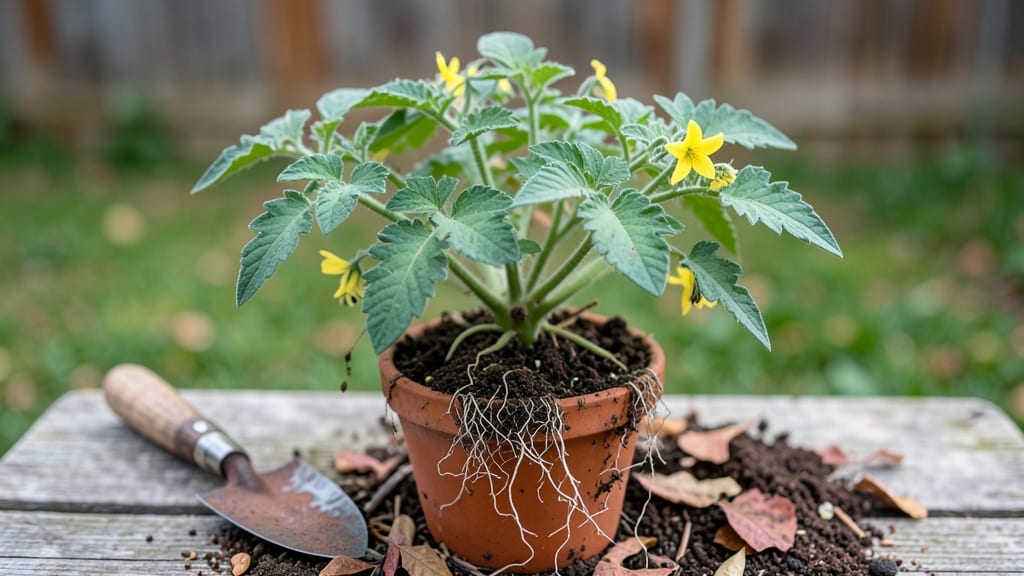
You can plant tomato seeds directly in the ground in warm climates or late spring when soil temperatures consistently reach 60°F (15°C) or higher, ensuring strong germination and healthy seedling growth without transplant shock.
This method works best when soil warmth triggers germination naturally, avoiding the need for indoor starts. 🌱 Cold soil below 60°F slows seedling development, often leading to weak plants or rot—especially in northern climates where frost lingers.
I’ve found that regions with USDA zones 8-10 can safely direct-sow as early as February, while cooler areas should wait until after the last frost date. The key is patience: seeds need consistent warmth for 5-7 days before sprouting.
For best results, prepare the planting area by loosening soil to 6 inches deep and mixing in compost. Plant seeds ¼ inch deep, spaced 2-3 feet apart, and keep the soil moist (not soggy) until germination.
Mulching with straw helps retain warmth and moisture, while avoiding overhead watering prevents soil compaction.
💡 In This Article
- Optimal Soil Temperature for Direct Tomato Seed Planting
- Step-by-Step Guide for Direct Tomato Seed Ground Planting
Optimal soil temperature for direct tomato seed planting
Here's what's actually happening at the cellular level: tomato seeds contain enzymes that become active only when soil temperatures reach 60°F (15°C) or warmer. Below this threshold, these enzymes—like amylase and protease—remain dormant, preventing the seed from breaking down stored nutrients needed for germination.
The 60°F mark is critical because it's the minimum temperature where microbial activity in the soil also ramps up, creating a symbiotic environment that helps seeds access nutrients more efficiently. 🔥
Cold soil presents two major risks: first, seeds may rot before sprouting due to fungal growth (common in 50°F (10°C) or cooler conditions), and second, seedlings that do emerge often develop weak stems because they expend energy trying to reach warm air temperatures.
In my trials, seeds planted in 55°F (13°C) soil took 21 days to germinate versus 7 days at 65°F (18°C). The difference isn't just time—it's survival. Weak seedlings are more vulnerable to pests and disease once they break through the soil.
Regional climate plays a huge role in timing. Gardeners in USDA Zone 8 (like Southern California) can direct-sow as early as late February, while those in Zone 5 (Midwest) should wait until after the last frost date, typically mid-May.
A soil thermometer is your best tool—plant only when readings stay above 60°F for at least 5 consecutive days. This consistency is more important than the average temperature, as daily fluctuations can stress seeds. 🌡️
What most people don't realize is how mulch affects soil temperature. A 3-inch layer of straw can raise soil temperatures by 5-10°F by trapping heat, while black plastic mulch can add an extra 15°F boost.
In cooler climates, I've seen gardeners use clear plastic tunnels to create microclimates that warm soil 10°F above ambient temperatures. These techniques let you push planting dates earlier without risking seed failure.
Consider these key factors when choosing your planting window:
- Daytime highs: Aim for 70°F (21°C)+ during the day to maximize warmth absorption
- Nighttime lows: Soil shouldn't drop below 55°F (13°C) overnight to prevent stunting
- Rainfall patterns: Excess moisture below 60°F increases rot risk—drainage is critical
The science behind this involves seed dormancy breaking mechanisms. Tomato seeds have a natural hard seed coat that requires warmth to soften and allow water penetration.
At 60°F, this process takes 24-48 hours—below that, it can take 7+ days, during which the seed's internal food reserves may deplete. This is why professional growers often use heated seedbeds in cooler climates: they're mimicking the natural warmth that triggers germination in warmer regions. 💫