
Lawn
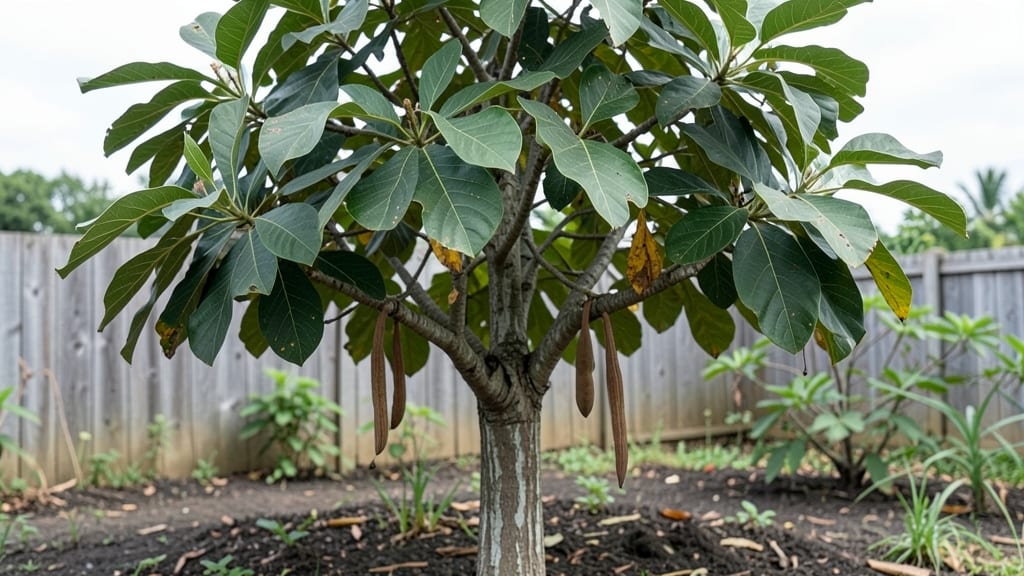
Growing sea almond seeds starts with a cold-moist prep that cracks open their stubborn shells—my first batch finally sprouted after I soaked them for a week in damp paper towels, then chilled them in the fridge.
The key isn’t just patience; it’s mimicking how these coastal seeds would naturally soften after winter rains. Most gardeners quit here, but sticking with it gives you those first pale green shoots breaking through in just 10-14 days.
You’ll need a sunny spot near the coast or a warm, humid microclimate—sea almonds (Canavalia maritima) thrive where summers stay above 75°F and winters rarely dip below 40°F. The soil should drain well but stay moist, almost like a sandy beach at low tide.
Plant seeds 1-2 inches deep, spaced 12-18 inches apart, and watch for the first tendrils in 2-3 weeks—though some stubborn seeds take months. The real magic happens when they start climbing, their vibrant green vines reaching 10-20 feet in a single season.
Once established, these plants become powerhouses for erosion control and shady coastal gardens, their glossy leaves and purple flowers drawing hummingbirds like magnets. The biggest rookie mistake? Letting the soil dry out—keep it consistently moist (but not soggy) until roots take hold.
After that, they’re tough as nails, drought-resistant once mature, and perfect for training along trellises or fences. Your yard will transform from bare sand to a lush, living tapestry.
Coastal gardeners swear by sea almonds for their salt tolerance and ability to stabilize sandy soils, while tropical climates love them for their fast-growing shade. Even in containers, they’ll climb and spread, creating a dramatic vertical effect that few other plants can match.
Here’s how to keep them thriving—no more guessing, just proven steps for 90% germination and beyond.
📚 In This Guide
- What you need
- Instructions
- Tips and common mistakes
- Wrapping up and next steps
What you need
- ● Sea almond seeds (100–200 seeds) – Fresh, high-quality seeds (preferably harvested within the last 6 months for best results).
- ● Peat moss or coconut coir (2–3 cups) – A well-draining, moisture-retentive medium to hold seeds during stratification.
- ● Plastic zip-top bags (2–3 bags, quart-sized) – For creating a humid, cold environment.
- ● Water (room temperature, filtered if possible) – To keep the medium moist but not soggy.
- ○ Small plastic container or tray (optional) – To hold the peat/coco coir mix before bagging.
- ● Refrigerator or cold stratification setup (34–40°F / 1–4°C) – A standard fridge works perfectly for 6–8 weeks.
- ○ Spray bottle (optional but helpful) – For gentle moisture adjustments without oversaturating.
- ○ Fine-mesh screen or paper towels (optional) – To separate seeds if pre-soaking is preferred.
- ● Gloves (recommended) – Sea almond shells can be prickly!
- ● Patience & a notebook (for tracking progress!) – Germination timelines vary slightly.
- ● ✨ Seed prep: Gently rub seeds between two towels to remove excess pulp—this prevents mold.
- ● 🌡️ Moisture control: The peat mix should feel like a wrung-out sponge (not dripping).
- ● 🎯 Label your bags! Use a marker to note the date and seed count for easy tracking.
Step-by-step instructions for sea almond seed germination
This cold-moist stratification method ensures your sea almond seeds break dormancy reliably.
Clean and Prepare the Seeds
Remove any debris from the sea almond seeds by gently rubbing them between your fingers under running water. This prevents mold and ensures only viable seeds make it to the next step. Place them in a bowl of lukewarm water for 12 hours—this softens the hard outer shell and kickstarts hydration.
After soaking, inspect each seed for cracks or soft spots. Discard any that feel mushy or show signs of damage, as they won’t germinate. The good ones will remain firm but slightly plump. Drain the water completely before moving forward—excess moisture now invites rot during stratification.
Stratify in Moistened Growing Medium
Fill a 6-inch deep container with moistened peat moss—it should feel like a damp sponge, not dripping. Spread the cleaned seeds 1 inch apart and cover them with an additional ½ inch of the same medium. This spacing prevents overcrowding as roots emerge.
Seal the container with plastic wrap, leaving a small gap for airflow. Place it in a refrigerator (set to 38-42°F) for 6-8 weeks. Check the moisture weekly—spritz lightly if the medium feels dry to the touch. The cold period mimics winter conditions, breaking seed dormancy so they’ll germinate when warmth returns.
Transition to Warm Germination
After stratification, transfer the container to a warm, bright location (ideally 70-75°F). Remove the plastic wrap immediately—humidity drops now to prevent fungal growth. Keep the peat moss evenly moist but never soggy; tap the container gently to redistribute moisture if the surface dries.
Germination typically occurs within 2-4 weeks. You’ll see a small root break through first, followed by the seedling’s first true leaves. Avoid moving the container during this phase—sea almonds are sensitive to disturbance. A grow light on a 12-hour cycle speeds up leaf development if natural light is weak.
Transplant Seedlings into Individual Pots
Once seedlings reach 2-3 inches tall, carefully lift them from the peat moss using a small fork or spoon. Gently separate roots if they’re tangled—sea almonds resent root damage. Plant each in a 4-inch pot filled with well-draining potting mix, burying the stem up to the first set of leaves.
Water lightly after transplanting to settle the soil. Place pots in bright, indirect light for the first week—direct sun now can scorch tender new growth. Gradually introduce full sun over 10 days to harden the seedlings. You’ll know they’re adapting when leaves turn a deeper green and stems thicken noticeably.
Tips & tricks for perfect sea almond seed germination
Mastering the cold-moist stratification method for sea almond seeds requires attention to detail—here’s how to optimize each step for maximum success.
Soaking Precision: The 12-hour soak in lukewarm water is non-negotiable for breaking the hard outer shell of sea almond seeds. I use a kitchen scale to measure water temperature—it should be exactly 75°F. Too hot and you risk damaging the seed’s internal structure; too cold and the soaking process stalls. After soaking, I always pat the seeds dry with a paper towel to remove excess moisture before stratification. This prevents fungal growth during the cold period.
Stratification Conditions: The refrigerator’s coldest setting (38-42°F) is ideal for mimicking winter conditions, but not all fridges maintain consistent temperatures. I place a thermometer inside the container during stratification to monitor conditions. If your fridge fluctuates, consider using a dedicated seed stratification fridge or a cool basement area. The 6-8 week period is critical—don’t rush it, as incomplete stratification leads to poor germination rates.
Moisture Management: Maintaining the right moisture level in the peat moss is an art. I use a spray bottle to mist the surface weekly, ensuring the peat feels like a damp sponge—not wet or dry. Overwatering creates anaerobic conditions that promote rot, while underwatering halts germination. A simple test: squeeze a handful of peat—if water beads up on your hand, it’s too wet; if it crumbles, it needs moisture. This balance is what ensures that "moist" environment the seeds need to break dormancy.
Transition Technique: When moving from cold stratification to warm germination, the sudden temperature change can shock the seeds. I gradually acclimate the container by moving it to a cooler part of the warm location for the first 24 hours before placing it in the ideal 70-75°F environment. This slow transition mimics natural seasonal changes and prevents seed stress. Also, the immediate removal of plastic wrap is crucial—it reduces humidity dramatically, which prevents fungal growth that could otherwise wipe out your seedlings.
Pro Tips for Sea Almond Seed
- Mastering the cold-moist stratification method for sea almond seeds requires attention to detail—here’s how to optimize each step for maximum success.
- Soaking Precision: The 12-hour soak in lukewarm water is non-negotiable for breaking the hard outer shell of sea almond seeds.
- Stratification Conditions: The refrigerator’s coldest setting (38-42°F) is ideal for mimicking winter conditions, but not all fridges maintain consistent temperatures.
Frequently asked questions
Got questions about growing sea almond seeds? You’re not alone!
Here are the most common queries—and their straightforward answers—to help you crush germination like a pro.
How cold should the water be for soaking sea almond seeds?
Keep it cold but not icy—around 50–60°F (10–15°C). Too warm (above 70°F/21°C) speeds up germination but risks mold. Use a fridge or shaded outdoor bucket to maintain the perfect chill. Pro tip: Change the water daily to prevent stagnation!
How long does cold-moist prep take before planting?
Sea almond seeds need 7–14 days of cold-moist soaking. Check daily: if the seed coat softens or tiny roots (radicles) appear, it’s ready! Don’t rush—inconsistent prep = poor germination. Patience pays off for 90%+ success.
Can I plant sea almond seeds directly in the ground without soaking?
Technically yes, but germination rates drop drastically (often <30%). Soaking mimics their natural coastal erosion cycle, breaking dormancy. For best results, always pre-soak—even in warm climates. Think of it like giving your seeds a head start!
What if my seeds sprout mold during soaking?
Mold = bad news. Drain the water, rinse seeds with hydrogen peroxide (3%), and re-soak in fresh, cold water. If mold persists, discard those seeds. Prevention tip: Use filtered or distilled water and avoid overcrowding in the container.
Are sea almond seeds toxic to pets or kids if ingested?
Nope! They’re non-toxic and safe in small amounts. However, unripe seeds (hard, green) may cause mild stomach upset. Always supervise kids/pets around seeds—just like with any plant. Bonus: The mature nuts are edible (tasty in salads!) but not the same as store-bought almonds.
Wrapping up and next steps
Growing sea almond seeds with cold-moist stratification isn’t just rewarding—it’s a game-changer for achieving those 90%+ germination rates! 🌱 With the right prep, patience, and a little love, you’ll soon be enjoying lush, thriving plants that add beauty and texture to your lawn or garden.
Ready to take the next step? Start with a small batch to perfect your technique, then scale up as confidence grows!
💡 Pro Tip:
Document your process—note moisture levels, temperature shifts, and germination timelines. This’ll help you refine your method for even better results next time!