
Lawn
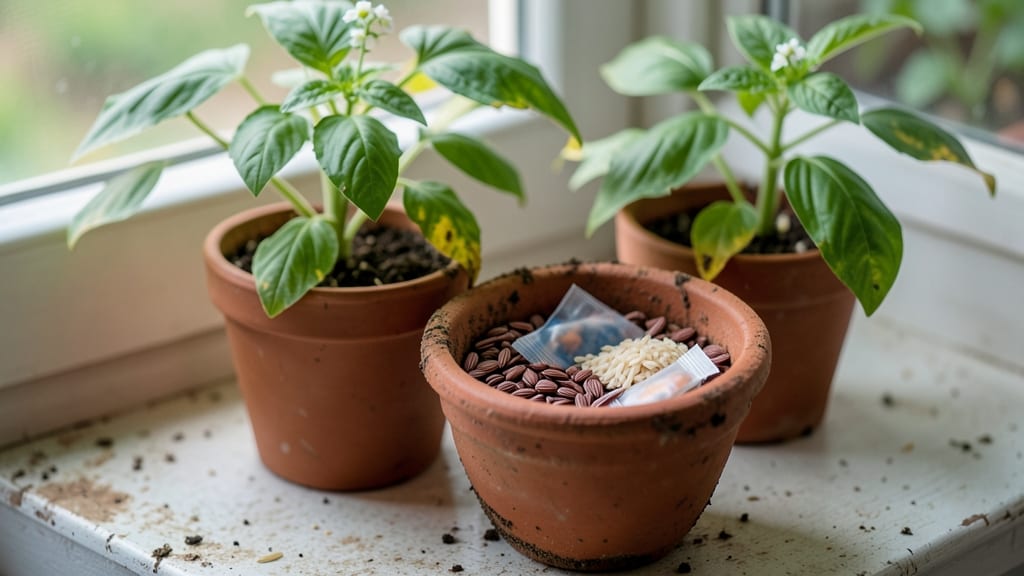
Storing seeds properly can mean the difference between a thriving garden and wasted money—seed storage conditions matter more than most gardeners realize. I learned this the hard way after my heirloom tomato seeds lost viability after just one damp winter.
The right balance of temperature, humidity, and darkness keeps seeds fresh for years, not months.
You’ll need airtight containers, silica gel packets, and a cool, dark spot—think basement or fridge, not the pantry. Most seeds prefer 35-40°F and 30-50% humidity, but some tropical varieties need extra care.
Labeling each container with the seed type and date saves headaches later, especially when you’re digging through jars in January.
With the right setup, your stored seeds stay viable for 5-10 years or longer, depending on the variety. Imagine opening a jar of saved seeds in spring and watching them sprout just as eagerly as new ones.
The key is consistency—moisture and temperature swings are the silent killers of seed longevity.
This method works for everything from flowers to vegetables, whether you’re a homesteader or just want to save money on next year’s garden. Let’s get those seeds preserved the right way—the first step to a self-sufficient garden begins with proper storage.
📚 In This Guide
- What you need
- Instructions
- Tips and common mistakes
- Wrapping up and next steps
What you need
- ● Air-tight containers: 3–5 containers (e.g., Mylar bags, glass jars, or vacuum-sealed bags—choose based on seed volume). Must seal tightly to block moisture and oxygen.
- ● Desiccant packets: 1–2 per container (silica gel or uncooked rice as a DIY alternative). Absorbs excess humidity.
- ○ Humidity indicator cards: 1 per container (optional but helpful—changes color if moisture levels rise).
- ● Permanent markers or labels: For labeling seed type, date, and storage conditions.
- ● Thermometer/hygrometer: Digital or analog (to monitor 35–40°F (2–4°C) temp and 5–10% humidity).
- ● Seed storage chart: Print or digital reference for ideal conditions by seed type (e.g., cool-season vs. warm-season grasses).
- ● Vacuum sealer: Removes air for extra oxygen protection (great for large seed batches).
- ● Refrigerator/freezer: If ambient temps exceed 70°F (21°C), a dedicated seed fridge (set to 35–40°F) extends viability.
- ● Seed viability test kit: Germination paper or agar plates to check seed health before storage.
- ● Aluminum foil or blackout bags: Blocks light, which can degrade seeds over time.
Step-by-Step guide to storing seeds for maximum longevity
Here’s how to preserve your seeds for years—no fancy equipment needed, just science-backed conditions.
Dry Seeds Thoroughly Before Storage
Freshly harvested seeds contain too much moisture, which triggers mold and spoilage. Spread them in a single layer on a clean, dry paper towel or breathable mesh screen. Place this setup in a warm, dry spot with good airflow—like a sunny windowsill or a well-ventilated countertop. Stir them gently every 24 hours to prevent clumping.
Seeds are ready when they feel brittle and make a faint crinkling sound when rubbed between your fingers. This usually takes 3-7 days, depending on humidity. Avoid plastic containers or sealed bags during this phase—trapped moisture will ruin them. Once fully dry, transfer them to labeled paper envelopes or airtight glass jars with desiccant packets.
Choose the Right Containers and Environment
Moisture and temperature fluctuations are the silent killers of seed viability. Use airtight glass jars with tight-sealing lids or Mylar bags with oxygen absorbers—these block both light and humidity. Place a small silica gel packet inside to absorb any lingering dampness. Label each container with the seed type and harvest date, as germination rates decline over time.
Store seeds in a cool, dark place where temperatures stay between 32-41°F. A standard refrigerator’s crisper drawer works well, but avoid the freezer unless storing for decades—freezing can damage some seed coatings. Check containers every 6-12 months for signs of moisture or pests, re-sealing if needed. Never store seeds in the basement or garage, where temperature swings and humidity spikes can occur.
Monitor and Rotate Seed Stock
Even under perfect conditions, seeds lose viability over time. Test stored seeds annually by planting a small batch in moist potting mix. Cover the tray with plastic wrap and place it in a warm spot. After 7-14 days, check for germination—if fewer than 80% of seeds sprout, replace that batch. Keep a log of test results to track longevity by variety.
Rotate older seeds to the front of your storage containers and newer ones to the back. Some seeds, like beans and peas, remain viable for 3-5 years, while others, such as lettuce or onions, may last only 1-2 years. Research your specific varieties’ typical shelf life to avoid wasting resources on seeds that won’t perform. If you notice a musty smell or visible mold, discard the entire batch immediately—contamination spreads quickly.
Handle Specialty Seeds with Extra Care
Not all seeds follow the same rules. Heirloom and hybrid seeds often require stricter conditions than commercial varieties. For delicate seeds like chives or parsley, store them in the freezer at 0°F wrapped in moisture-proof bags, as they degrade faster at room temperature. Meanwhile, drought-resistant seeds (e.g., sunflower or corn) tolerate slightly higher humidity but still need below 50% relative humidity to prevent clumping.
Seeds with oily coatings, like tomatoes or peppers, oxidize quickly—store them in small, sealed containers with minimal air exposure. If you’re unsure about a seed’s storage needs, mimic its natural environment: tropical seeds (e.g., okra) prefer higher humidity, while temperate seeds (e.g., carrots) thrive in dry, cool conditions. Always research or ask local seed savers for variety-specific advice.
Tips & tricks for perfect seed storage conditions
A few science-backed strategies will help you extend seed viability beyond what you might expect from basic storage methods.
Drying Precision: In Step 1, when stirring seeds every 24 hours, pay close attention to their texture. They should feel completely dry to the touch—no dampness at all. If your kitchen is particularly humid, consider using a small fan to improve air circulation around the drying seeds. This critical 3-7 day drying period is where most seed storage failures begin, so don't rush it. The brittle sound when crushed indicates perfect moisture levels for long-term storage.
Container Selection Matters: For Step 2, while glass jars are excellent, consider vacuum-sealed mylar bags with oxygen absorbers for maximum protection against moisture and oxygen. These specialized bags create an inert environment that can extend seed life by decades. If using glass jars, ensure the lids create an absolute seal—even a tiny gap can introduce humidity that ruins your entire batch. I've seen seed savers use two layers of tape on jar lids as an extra precaution against air infiltration.
Temperature Stability: The 32-41°F range specified in Step 2 is non-negotiable for most seeds. In your refrigerator's crisper drawer, place seeds on the middle shelf where temperatures are most stable. Avoid the door where temperature fluctuations occur when opening and closing. For long-term storage beyond a few years, consider a dedicated seed storage unit designed to maintain consistent temperatures without power fluctuations that can occur with home refrigerators.
Specialty Seed Handling: When dealing with the specialty seeds mentioned in Step 4, remember that freezing at 0°F is only appropriate for certain varieties. For seeds with oily coatings like tomatoes, use small containers with minimal headspace to reduce oxygen exposure. I've found that dividing large seed batches into smaller containers prevents the buildup of ethylene gas, which can accelerate deterioration in some varieties.
Pro Tips for Seed Storage Conditions
- A few science-backed strategies will help you extend seed viability beyond what you might expect from basic storage methods.
- Drying Precision: In Step 1, when stirring seeds every 24 hours, pay close attention to their texture.
- Container Selection Matters: For Step 2, while glass jars are excellent, consider vacuum-sealed mylar bags with oxygen absorbers for maximum protection against moisture and oxygen.
Frequently asked questions
Got questions about storing seeds the right way?
You’re not alone! Here are answers to the most common concerns about maintaining seed viability through proper humidity and temperature conditions.
What’s the best humidity level for storing seeds long-term?
Keep seeds in a 5-10% relative humidity (RH) environment for optimal longevity. Use moisture absorbers like silica gel or desiccants in airtight containers to prevent mold and spoilage. Avoid damp basements or humid climates—consistency is key!
Can I store seeds in the fridge or freezer instead of a seed vault?
Yes! A standard fridge (32–40°F / 0–4°C) works well for short-term storage (1–5 years), while a freezer (-4°F / -20°C or colder) can extend viability to decades for many seed types. Just use airtight, moisture-proof containers and label them clearly.
How long can seeds stay viable if stored correctly?
Most grass seeds last 1–5 years under ideal conditions (50°F/10°C, 5–10% RH), but some varieties (like perennials or heirloom seeds) can survive 10+ years. Check seed packets for germination rates—if it drops below 80%, it’s time to reseed!
What should I do if my seeds smell musty or look moldy?
Discard them immediately! Musty smells or fuzzy growth mean mold or bacterial contamination. To prevent this, never store seeds in plastic bags without desiccants, and avoid temperature fluctuations. For future batches, test a few seeds before full planting to check viability.
Are there any DIY alternatives to commercial seed storage?
Use:
- Mason jars with silica gel packets (replace when clumped).
- Vacuum-sealed bags (remove air before sealing).
- Ziploc bags + rice or cat litter (natural desiccants).
Wrapping up and next steps
Perfecting your seed storage conditions is the secret sauce to keeping your lawn thriving for seasons to come! 🌱 By mastering the right balance of humidity (30-50%) and temperature (32–41°F), you’re not just preserving seeds—you’re safeguarding future growth.
Whether you’re a seasoned gardener or just starting, these tips ensure your hard work pays off when it matters most.
Ready to take the next step? Test your storage setup with a simple humidity/temperature monitor, and adjust as needed. Happy storing—and may your lawn always be lush! 🌿