
Propagation
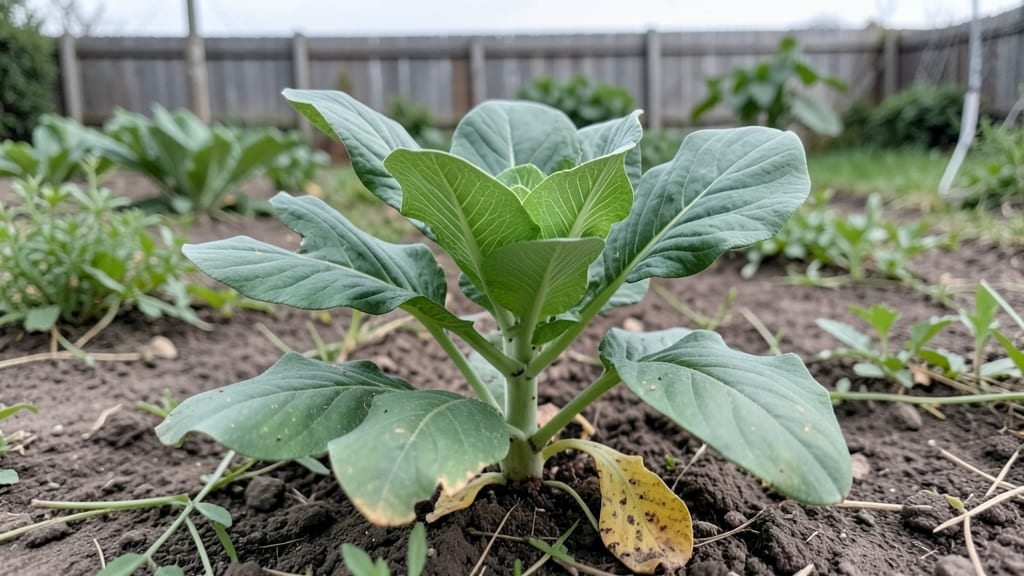
When your seed already has leaves, you're not just growing a plant—you're launching a fast-track to a lush, bushy garden in weeks. ✨ I've seen these little seedlings transform from fragile sprouts into thriving plants in just 2-3 weeks with the right care, and the secret isn't complicated: it's all about light, water, and confidence.
The moment those first true leaves appear, you're past the risky germination stage and into the growth sprint. Most beginners panic because they don't realize how delicate this phase is—too much water drowns roots, too little light stretches seedlings into leggy weaklings.
But with a simple setup (bright light, moist but not soggy soil, and patience), you'll watch those leaves multiply before your eyes.
By the time you transplant, you'll have stocky, dark-green seedlings with multiple leaves ready to outpace anything from a nursery. The best part? You skip the weeks of waiting for germination entirely.
This isn't just propagation—it's a shortcut to a garden that looks like it's been growing for months, not days.
Works just as well for indoor starts or outdoor beds, whether you're growing tomatoes, herbs, or flowers. Here's how to keep them thriving through every stage."
The Science Behind Premature Foliage
When you spot a seed sprouting with tiny leaves instead of just a root or shoot, it’s not a mistake—it’s a survival strategy. But why does this happen? Several key factors trigger early leaf growth, often tied to genetics, environmental cues, or even how you handle the seed.
Understanding these causes helps you control the process for faster, bushier plants. Let’s break it down.
Not all seeds are created equal. Some plants, like lettuce, basil, or radishes, are pre-programmed to push out leaves early because their natural lifecycle demands rapid photosynthesis. These species prioritize leaf development to maximize energy capture before full maturity.
- Fast-germinating seeds: Often produce leaves within 3–7 days (e.g., mustard greens, arugula). Their embryos store enough energy to fuel early foliage.
- Slow-to-sprout seeds: Like beans or tomatoes, may delay leaves until roots establish stability first.
Actionable tip: Check seed packets for "days to germination"—if it’s <7 days, expect early leaves. For slower seeds, use warmth and moisture to nudge them along.
Seeds interpret warmth as a signal to break dormancy—but if the soil is too hot (above 85°F/30°C), the seedling may bolt (shoot leaves prematurely) to avoid stress. This is common in:
- Peppers, cucumbers, or herbs planted in overheated soil.
- Seeds soaked in warm water (e.g., 90°F/32°C) before planting.
Why it matters: Premature leaves = weaker roots. The plant diverts energy to foliage instead of anchoring itself.
Fix it:
- Use a seedling heat mat (set to 70–75°F/21–24°C) for consistent warmth.
- Avoid bottom-watering in hot climates—keep soil moist but not soggy.
Too much water can suffocate a seedling’s root system, forcing it to prioritize leaf growth for oxygen. This happens when:
- You soak seeds in water for >12 hours (e.g., chia or flax seeds).
- Seed trays sit in standing water (e.g., clear plastic domes trapping humidity).
- You mist seeds daily instead of watering the soil.
Science alert: Roots need oxygen to grow. Waterlogged soil forces the seedling to hyper-grow leaves to photosynthesize and "breathe" faster.
Solution:
- Use well-draining soil (50% peat/perlite mix) and water only when the top inch is dry.
- For humidity-loving plants (like ferns), use a fine mist once daily, not a soak.
Seeds detect light through a hormone called phytochrome. If a seedling gets too much light too soon (e.g., placed under grow lights before sprouting), it may:
- Shoot long, weak stems (etiolation) to reach light.
- Produce small, yellow leaves as a stress response.
Critical threshold: Most seedlings need 12–16 hours of light/day after the first leaves appear. Before that, indirect light or darkness helps roots establish.
How to adjust:
- Cover trays with black plastic or a damp paper towel for the first 3–5 days.
- Use red-blue spectrum LED lights (not white) for gentle growth.
Fertilizer or compost in the soil can overfeed a seedling, causing it to skip the root phase and go straight to leaves. This is common with:
- High-nitrogen fertilizers (e.g., fish emulsion) applied at planting.
- Compost tea or worm castings mixed into seed-starting soil.
- Over-fertilized seedling mixes (e.g., pre-mixed "grower’s blend" with slow-release nutrients).
Result: The seedling thinks it’s in rich soil and prioritizes leafy growth over root depth.
Fix:
- Use sterile seed-starting mix (no compost) for the first 2 weeks.
- Wait until true leaves appear (not cotyledons) before fertilizing.
- Dilute fertilizers to half-strength for seedlings.
Fixing Common Germination Setbacks
Now that you understand why your seeds might be sprouting with leaves instead of strong roots, let’s tackle the fixes—quickly and effectively. Whether your seedlings are leggy, weak, or just not thriving, these solutions will help you steer them toward bushy, healthy growth in no time.
If your seeds are germinating too close together, they’ll compete for light, water, and nutrients, leading to stunted, leafy growth instead of robust stems.
How to Fix It:
- 🔪 Snip or Gently Pull: Use clean scissors or your fingers to remove weaker seedlings, leaving only the strongest one per pot or tray.
- 🌱 Space Them Properly: Give remaining seedlings 1–2 inches apart (adjust based on seed size) to prevent overcrowding.
- 💡 Pro Tip: If thinning feels harsh, try transplanting seedlings into individual pots early—this gives roots room to expand without competition.
Prevention:
- 📊 Sow Sparingly: Follow seed packet spacing guidelines or use a seedling tray with dividers to avoid overcrowding from the start.
- 🌱 Use Larger Containers: If growing multiple seeds in one pot, opt for 6+ inch containers to reduce early competition.
If your seedlings are stretching tall and thin (a sign of etiolation), they’re desperate for light. This weakens stems and delays bushy growth.
How to Fix It:
- ⏰ Rotate Daily: Move trays 180 degrees each day so seedlings grow straight toward light, not lopsided.
- 🔥 Increase Light Exposure: Place seedlings under grow lights (12–16 hours/day) or near a sunny south-facing window. If natural light is weak, supplement with a LED grow bulb.
- 🌱 Bury Deeper (Gently): If seedlings are already tall, dig a trench in the soil and tuck them in slightly—this encourages root growth and stabilizes weak stems.
Prevention:
- 🌡️ Start with Warmth: Use a seedling heat mat (70–75°F) to speed germination without stretching.
- 🎯 Use Reflective Surfaces: Place a white tray or aluminum foil under seed trays to bounce light upward, maximizing exposure.
If your seedlings have yellow leaves, damp soil, or mold, overwatering or poor airflow is likely the culprit. This stresses plants and stunts growth.
How to Fix It:
- 💧 Water Less, More Often: Let the top inch of soil dry out between waterings. Use a spray bottle for gentle hydration to avoid drowning roots.
- 🌬️ Improve Air Circulation: Place a small fan (on low) near seedlings for 1–2 hours daily to strengthen stems and prevent fungal issues.
- 🔥 Reseed if Necessary: If mold or rot has set in, discard affected seedlings and start fresh with sterilized soil and pots.
Prevention:
- 🥗 Use Well-Draining Soil: Mix coco coir or perlite into your seed-starting mix to prevent compaction and root rot.
- ✨ Sterilize Tools & Pots: Wash containers with soapy water or hydrogen peroxide before reuse to kill lingering pathogens.
If your seedlings are growing too slowly or have patchy leaf development, they may need a nutrient boost—or a cozier environment.
How to Fix It:
- 💪 Fertilize Lightly: Wait 2–3 weeks after germination before using a diluted fish emulsion or seaweed extract (½ strength). Avoid heavy fertilizers early—they can burn tender roots.
- 🌡️ Optimize Temperature: Keep seedlings in a warm (65–75°F) but not hot spot. A clear plastic dome (removed once sprouts appear) helps retain moisture and warmth.
- 🔄 Transplant if Root-Bound: If roots are circling the bottom of the pot, uproot gently and repot into a larger container with fresh soil.
Prevention:
- 📊 Test Soil pH: Aim for 6.0–7.0—too acidic or alkaline soil can lock out nutrients.
- 🌱 Harden Off Gradually: Before moving seedlings outdoors, acclimate them by placing them in shade for 1–2 hours daily, increasing time over a week.
For instant results, combine these power moves:
- 🌱 Prune Leaves: Pinch off the top set of leaves to encourage branching (works for tomatoes, basil, and peppers).
- 🔥 Use a Grow Light: Even a simple LED bulb 6 inches above seedlings can double growth speed.
- 💧 Bottom Water: Place trays in a shallow dish of water for 10 minutes to hydrate roots without overwatering.
Remember: Patience is key! With the right adjustments, your seedlings will bulk up in weeks—not months. 🚀 Now go give those little sprouts the love they need!
Frequently asked questions
What’s the difference between cotyledons and true leaves on a seedling?
Cotyledons are the first leaves that appear—they’re actually part of the seed itself and don’t perform photosynthesis like true leaves. True leaves develop next and look different (usually smaller, serrated, or more complex). For example, basil’s cotyledons are round and smooth, while its true leaves are jagged and aromatic.
Can I transplant seedlings with leaves directly into the garden?
Only if they have 2–3 sets of true leaves and sturdy stems. Transplanting too early risks shock—wait until nighttime temps stay above 50°F (10°C). Harden off seedlings first by exposing them to outdoor conditions gradually over 5–7 days.
Why are my seedlings growing leaves but no roots?
This usually means the seedling is overwatered or lacks oxygen in the soil. Roots need well-draining mix and 12–16 hours of light/day to grow. Try repotting in a 50% peat/perlite mix and let the top inch dry between waterings. A gentle fan nearby also helps root development.
How do I know if my seedling has enough leaves for transplanting?
Look for 2–4 true leaves (not cotyledons) and a stem thicker than a pencil. The leaves should be dark green and firm, not yellow or wilted. If the seedling has only 1 true leaf, wait another 7–10 days before transplanting.
Can I save a seedling with yellow leaves?
Yellow leaves often signal overwatering or nutrient deficiency. Trim the yellow leaves and adjust care: water only when the top 1 inch of soil is dry, and fertilize lightly with half-strength seaweed extract. If the stem is mushy, the seedling may be too far gone—start fresh with sterilized soil.