Picking
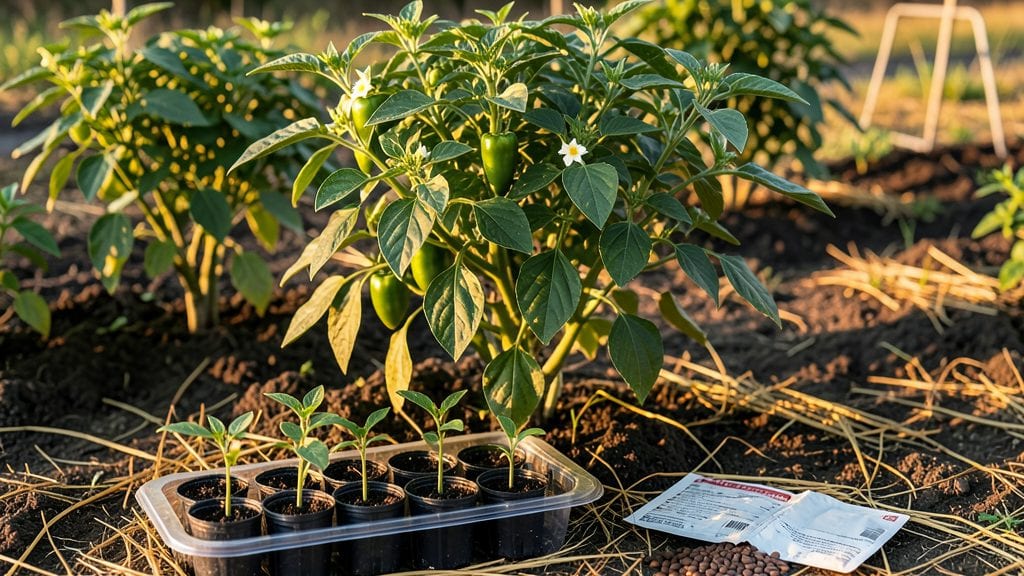
Seeding jalapeño peppers starts with the right timing and soil—those tiny seeds pack a punch when given the perfect conditions to sprout. 🌱 I learned the hard way that rushing them or using cold soil leads to weak starts, but once you nail the basics, you’ll get sturdy plants that produce heat all season long.
The secret isn’t complicated: warm soil, patience, and just enough moisture to keep seeds happy without drowning them.
You’ll need a shallow tray or pots, sterile seed-starting mix, and a heat mat if your home runs cool. Jalapeños love warmth—ideal soil temps hover around 75-85°F—and they germinate best when planted ¼ inch deep, just below the surface.
Space them 1-2 inches apart so they don’t compete for light once they sprout. Most seeds pop up in 7-14 days, but consistency is key—keep the soil moist but never soggy, or you’ll risk mold or rot.
Once those first green leaves appear, you’re on the right track. Healthy jalapeño seedlings have bold, dark green leaves and sturdy stems—nothing leggy or pale. They’ll need bright light (or a grow light) to prevent stretching, and you can start fertilizing lightly after the second set of true leaves appears.
By the time they’re ready to transplant, you’ll have strong, vibrant plants that outperform anything you’d buy at a nursery.
This method works whether you’re starting indoors 6-8 weeks before last frost or direct-sowing in warm climates. Just adjust timing based on your zone—jalapeños hate cold soil, so wait until night temps stay above 55°F if planting outside.
The payoff? A bumper crop of spicy, homegrown peppers that’ll make your kitchen—and neighbors—green with envy.
📚 In This Guide
- What you need
- Instructions
- Tips and common mistakes
- Wrapping up and next steps
What you need
- ● Jalapeño seeds: 10–20 seeds (choose heirloom or hybrid varieties like Early Jalapeño or Big Jim)
- ● Seed-starting trays: 1–2 trays with individual cells (2–4 inches deep) or small pots (3–4 inches in diameter)
- ● Seed-starting mix: 1–2 bags (sterilized, peat-free blend with perlite or vermiculite for drainage)
- ● Grow lights or sunny windowsill: 1–2 LED grow lights (12–16 hours/day) or a south-facing window with direct sunlight
- ● Misting bottle or spray nozzle: 1 (for gentle watering)
- ● Plastic wrap or humidity dome: 1 sheet (to retain moisture)
- ○ Heat mat (optional but helpful): 1 (70–85°F range for faster germination)
- ● Fertilizer (balanced or seed-starting formula): 1 small bottle (5–10–5 or 10–10–10 NPK ratio)
- ● Seedling heaters or greenhouse: Extends growing season in cooler climates
- ● pH testing kit: Ensures soil pH is 6.0–7.0 (ideal for peppers)
- ● Damp paper towels: For pre-sprouting seeds (speeds up germination)
- ● Labels and markers: Track varieties and planting dates
- ● Transplanting pots (3–4 inches): For hardening off seedlings before outdoor planting
Step-by-Step instructions for seeding jalapeño peppers
Here’s how to grow vigorous jalapeño seedlings that thrive from the start—no weak, leggy plants here.
🌱 Step 1: Prepare Containers and Seed Starting Mix
Fill 4 biodegradable seedling pots (3 inches deep) with the 2 gallons of seed-starting mix. I press the mix down lightly to eliminate air pockets but avoid compacting it—you want roots to push through easily. Moisten the mix until it holds together when squeezed but doesn’t drip. This ensures even moisture without waterlogging.
Jalapeños hate soggy soil, so drainage is key. If your pots lack holes, poke 2-3 small holes in the bottom with a nail. Place a 1-inch layer of perlite at the bottom of each pot first—this prevents clogging while allowing excess water to escape. Label each pot with the variety and date, because in a week, identical green sprouts will look identical.
🌱 Step 2: Sow Seeds at the Right Depth
Plant 2 seeds per pot at a depth of ¼ inch—about the width of a dime. Sowing too deep slows germination because the seedling must expend energy to reach light. Cover the seeds lightly with a sprinkle of additional mix, then mist the surface with a spray bottle until evenly damp. A heavy watering will dislodge the seeds or bury them too deep.
I like to tap the seed packet gently to release one seed at a time—planting too many in one hole leads to weak, crowded seedlings. Space the pots 2 inches apart on a seed tray to allow airflow. Place the tray in a warm spot (75-85°F), like on top of a refrigerator or under a heat mat. Germination takes 7-14 days, but warmth speeds it up dramatically.
💧 Step 3: Maintain Moisture and Prevent Damping-Off
Cover the tray with a clear plastic dome to retain humidity, but remove it immediately once 50% of seeds sprout. Trapped moisture around new seedlings invites damping-off, a fungal disease that collapses stems overnight. You’ll see this as blackened, mushy stems—prevent it by keeping the soil surface slightly damp but not glistening.
Water from the bottom by placing the tray in ½ inch of water for 10 minutes every 2-3 days. This encourages roots to grow downward instead of sitting in wet soil. Avoid overhead watering, which can spread disease. Once seedlings emerge, move them to a bright, indirect light spot—no direct sun yet, or they’ll scorch.
☀️ Step 4: Provide Adequate Light for Strong Growth
Jalapeños need 14-16 hours of light daily to prevent leggy growth. A south-facing window rarely provides enough intensity, so I use a full-spectrum LED grow light positioned 2-4 inches above the plants. Raise the light as they grow to maintain that gap. You’ll see leggy growth as thin, pale stems with leaves spaced far apart—this means your light is too far away.
Strong seedlings have thick stems, deep green color, and compact spacing between leaves. Rotate the pots a quarter turn daily so plants grow upright instead of leaning toward the light. If you notice leaves touching the light, raise it immediately—burnt tips are a sign it’s too close.
✂️ Step 5: Thin and Harden Off Before Transplanting
When seedlings have 2-3 true leaves, thin to the strongest plant per pot by snipping the weaker one at the soil line with clean scissors. This reduces competition for nutrients. Fertilize lightly with ½ teaspoon of balanced fertilizer dissolved in 1 gallon of water to encourage robust growth.
Two weeks before your last frost date, start hardening off the seedlings by placing them outside in a sheltered, shaded spot for 1-2 hours the first day. Gradually increase outdoor time by 1 hour daily over 10-14 days, slowly introducing more sun and wind. Once seedlings tolerate a full day outside without wilting, they’re ready for the garden. Transplant on an overcast afternoon to reduce transplant shock.
Tips & tricks for healthy jalapeño seedlings
These proven strategies will help you avoid the most common pitfalls and grow robust jalapeño plants from the start.
Soil Preparation Matters: In Step 1, when pressing down the 2 gallons of seed-starting mix, aim for a texture like a damp sponge—not bone-dry, not dripping wet. Too much compaction restricts root growth, while soggy soil invites damping-off. I like to use my fingers to create small air pockets throughout the mix, which encourages stronger root development. The perlite layer at the bottom is non-negotiable—it prevents clogging while allowing excess water to escape, which jalapeños absolutely hate sitting in.
Germination Environment: The 75-85°F warmth specified in Step 2 is crucial for consistent germination. If your home runs cooler, consider using a seedling heat mat or placing the tray on top of your refrigerator. I've seen germination times stretch to 21 days in cooler conditions (65°F or below), but with proper warmth, you'll typically see sprouts within 7-14 days. Pro tip: Place a small thermometer near your seed tray to monitor temperature—consistency is key.
Lighting Strategy: For the critical 14-16 hours of light in Step 4, I recommend positioning your grow light on a timer. This ensures your seedlings get consistent light without you having to remember to turn it on and off daily. When adjusting the light height, aim for the top of the seedlings to be about 2 inches below the light—this prevents burning while still providing sufficient intensity. Watch for leaves touching the light; if you see browned tips, raise it immediately.
Harden Off Gradually: The 10-14 day hardening process in Step 5 is where many beginners rush and end up with transplant shock. Start with just 1-2 hours on the first day, even if your last frost date is weeks away. Gradually increase exposure by 1 hour daily, and always choose overcast days for the initial outdoor sessions. I've seen seedlings that were perfectly healthy indoors wilt dramatically after just 4 hours of direct sun during hardening—don't skip this gradual process!
Pro Tips for Seeding Jalapeno Peppers
- These proven strategies will help you avoid the most common pitfalls and grow robust jalapeño plants from the start.
- Soil Preparation Matters: In Step 1, when pressing down the 2 gallons of seed-starting mix, aim for a texture like a damp sponge—not bone-dry, not dripping wet.
- Germination Environment: The 75-85°F warmth specified in Step 2 is crucial for consistent germination.
Frequently asked questions
Got questions about seeding jalapeño peppers?
You’re not alone! Here are answers to the most common queries from gardeners—whether you're a beginner or a seasoned pro looking for a refresher.
When is the best time to start seeding jalapeños indoors?
Start seeds 8–10 weeks before your last expected frost date. Jalapeños thrive in warm soil (70–85°F), so indoor seeding in early spring (February–March for most climates) gives them time to mature before transplanting. If you’re in a short-season area, opt for longer-day varieties or extend the season with row covers.
Can I seed jalapeños directly outside instead of indoors?
Yes! For warm climates (zones 9–11), you can direct-sow seeds outdoors after the last frost when soil temps hit 60°F+. In cooler areas, wait until nighttime temps stay above 55°F. Direct seeding skips the transplant shock but risks slower germination. If using this method, plant seeds ½ inch deep and keep soil moist.
Why aren’t my jalapeño seeds germinating? Troubleshooting tips.
Common culprits include cold soil, old seeds (use seeds <1 year old), or poor moisture. Try these fixes:
- Use a seedling heat mat (70–80°F) to speed germination.
- Keep soil consistently damp (not soggy) with a spray bottle.
- Test seed viability: Soak in water for 24 hours—sinkers are good!
- If mold appears, repot with sterile, well-draining soil.
How do I know if my jalapeño seedlings are healthy?
Healthy seedlings have bold green leaves, sturdy stems, and no yellowing. Watch for:
- True leaves (not the first seed leaves) after 2–3 weeks.
- Leggy stems = too little light; add a grow light.
- Wilting or brown spots = overwatering or disease.
Hardening off (acclimating to outdoor conditions) for 1–2 weeks before transplanting boosts survival rates!
What’s a good alternative if jalapeño seeds don’t grow?
Try these easy-to-grow pepper alternatives:
Pepper Type
Days to Maturity
Why It Works
Bell Peppers
60–90 days
Hardier, more forgiving for beginners.
Banana Peppers
70–80 days
Cold-tolerant and prolific.
Serrano Peppers
75–90 days
Similar heat level, faster growth.
Pro tip: If you’re set on jalapeños, try transplanting store-bought peppers (like jalapeños from the grocery store) into soil—they’ll often regrow!
Wrapping up and next steps
Seeding jalapeño peppers is a rewarding journey that combines patience, care, and a little green thumb magic! 🌱 By following these proven steps—from selecting quality seeds to nurturing your seedlings—you’ll set the stage for a thriving harvest.
Whether you’re a beginner or a seasoned gardener, the key is consistency: keep those seedlings cozy, well-lit, and hydrated, and soon you’ll be enjoying homegrown heat in your favorite dishes.
Now that you’re armed with knowledge, take the next step—grab those seeds and get planting! Start small if you’re new, and don’t forget to document your progress. Happy growing, and may your jalapeños be spicy and abundant! 🌶️✨