
Watering
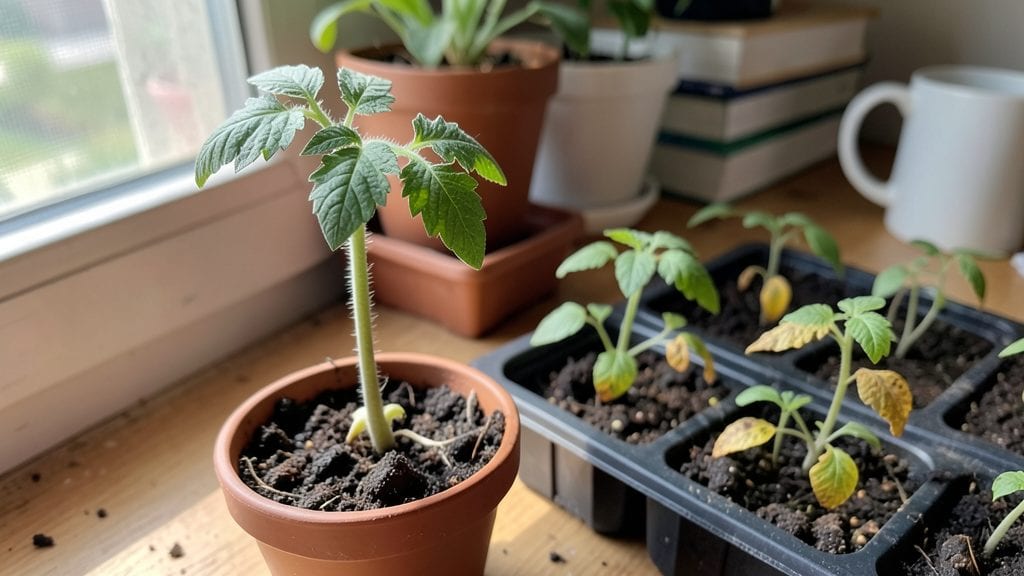
Avoiding seedling growth mistakes is the difference between a thriving garden and a sad, empty plot—because even tiny errors can turn your tiny 🌱 sprouts into weak, leggy, or lifeless plants before they ever get a chance to grow.
Your seedlings are the foundation of a thriving garden—but even small mistakes can turn them into weak, leggy, or dead plants before they even reach maturity.
Whether it’s drowning them in water, starving them for light, or planting them too deep, these silent killers often go unnoticed until it’s too late.
Most gardeners don’t realize how quickly seedlings can spiral out of control. Overwatering causes blackened stems, while poor lighting leads to stretched, weak plants that can’t support themselves. Even the wrong soil or temperature can stunt growth before you know it.
In this guide, I’ll walk you through the 5 most critical mistakes that sabotage seedlings—and how to fix them before it’s too late. You’ll learn the signs to watch for, the quick fixes that work, and the simple habits that keep your 🌱 strong from the start.


5 Common seedling growth mistakes that stunt or kill plants
Seedlings are delicate but resilient—when they fail, it’s usually because of unseen mistakes hiding in plain sight. I’ve seen blackened stems from overwatering and stretched, weak seedlings begging for light. These errors often go unnoticed until it’s too late, turning your garden dreams into a pile of sad, limp plants.
The good news? Most of these problems have simple fixes once you recognize the warning signs.
Let’s tackle the top 5 seedling killers that sabotage growth before your plants even get a chance. Understanding these will help you spot trouble early and give your seedlings the strong foundation they need to thrive. The key is acting fast—once these mistakes take hold, recovery becomes much harder.
-
1. Overwatering
Soil stays soggy, roots suffocate, and seedlings develop blackened stems or mushy roots. Check soil moisture by touching—it should feel damp, not wet. -
2. Poor Lighting
Seedlings stretch toward light, becoming leggy and weak. Without enough light (12-16 hours/day), they’ll flop over or turn pale yellow. -
3. Improper Temperature Control
Cold drafts or heat spikes cause stunted growth or crispy leaves. Ideal temps: 65-75°F during the day, slightly cooler at night. -
4. Transplant Shock
Moving seedlings too soon or handling roots roughly leads to wilting or yellowing leaves. Acclimate them to outdoor conditions gradually over 7-10 days. -
5. Nutrient Deficiencies
Pale leaves or slow growth? Your seedlings might lack nitrogen, phosphorus, or potassium. Use a balanced fertilizer (5-10-5) sparingly—too much burns roots.
Let’s dive deeper into each mistake so you can spot the signs and save your seedlings before they’re lost. Overwatering, for example, isn’t just about adding too much water—it’s often a sign of poor drainage or using containers without drainage holes.
I’ve seen trays full of seedlings drown because the excess water had nowhere to go.
Poor lighting is another sneaky culprit. Many gardeners assume their seedlings are getting enough light, only to discover they’re growing toward the window like sunflowers chasing the sun. This etiolation (stretching) weakens stems, making them prone to snapping.
If your seedlings look like they’re reaching for a handshake, it’s time to move them closer to a light source—or invest in a grow light.
Temperature swings can be just as damaging. Seedlings are sensitive to drafts from windows or doors, and sudden heat spikes (like sitting near a heater) can scorch leaves.
I once lost a batch of tomato seedlings because I placed them too close to a sunny window in winter—the glass acted like a magnifying glass, frying their delicate leaves. Keep them in a consistent 65-75°F range for best results.
Transplant shock happens when seedlings aren’t ready for the big move. Even if they look healthy, their roots might not be developed enough to handle outdoor conditions. To avoid this, harden off your seedlings by gradually exposing them to outdoor temps and sunlight over 7-10 days.
Start with just an hour in the shade, then slowly increase their time outside and sun exposure.
Finally, nutrient deficiencies can stall growth or cause strange symptoms like purple stems (a sign of phosphorus deficiency) or yellow lower leaves (nitrogen deficiency). While seedlings don’t need much fertilizer, a light feeding with a balanced formula every 3-4 weeks can prevent these issues.
Always water first to avoid burning tender roots.
Now that you know the warning signs, you can act fast to save your seedlings. The next step is learning how to fix these mistakes and prevent them in the future—so your garden starts strong and stays that way.
Let’s turn those sad, struggling seedlings into vigorous, healthy plants ready to take on the world.
How to fix and prevent seedling growth mistakes before it’s too late
Seedlings are delicate, and even minor oversights can derail their growth. The good news? Most seedling growth mistakes are reversible with quick action. Whether your plants are leggy, wilting, or showing yellowing leaves, targeted fixes can save them.
Let’s tackle the most common issues and restore your seedlings to peak health.
First, identify the root cause—literally. Overwatering or underwatering, improper light exposure, or nutrient deficiencies often masquerade as natural growth phases. For example, leggy seedlings aren’t just "stretching"—they’re starving for light. Acting fast means the difference between a weakling and a thriving plant.
⚠️ Critical Warning: The 3-Minute Rule
Seedlings can die within 3 minutes of drowning. If your soil feels soggy or seedlings appear blackened at the base, act immediately. Drain excess water, remove affected seedlings, and repot healthy ones in well-draining soil. For leggy seedlings, bury them deeper (up to the first true leaves) to encourage root growth.
For overwatered seedlings, start by letting the soil dry slightly between waterings. Use a moisture meter or stick your finger 1 inch deep—if it’s damp, wait. Replace soggy soil with a mix of peat moss and perlite to improve drainage. Yellowing leaves on lower stems?
This is often a sign of root rot, so trim affected roots and repot in fresh, sterile soil.
If your seedlings are leggy and weak, they’re begging for more light. Move them within 6 inches of a grow light or a south-facing window. For etiolated seedlings (pale and stretched), gradually increase light exposure over 3-5 days to avoid shock.
A 14-hour light cycle with LED grow lights mimics natural sunlight and prevents weak stems.
Nutrient deficiencies show up as pale leaves or stunted growth. For nitrogen deficiency (yellow lower leaves), use a balanced fertilizer like 5-10-5. For phosphorus deficiency (dark leaves, slow growth), opt for a bone meal supplement. Always dilute fertilizer to half-strength for seedlings—too much burns delicate roots.
When transplanting, harden off seedlings over 7-10 days by gradually exposing them to outdoor conditions. Start with 1-2 hours of shade and increase daily. Avoid transplanting on windy or hot days, as stress can stunt growth. Water thoroughly before and after transplanting to reduce shock.
Prevention is easier than recovery. Test your soil pH (ideal: 6.0-7.0 for most seedlings), use sterile seed-starting mix, and maintain consistent moisture. Rotate trays weekly to ensure even light exposure, and avoid crowding—seedlings need space to breathe.
With these fixes, your seedlings will grow into sturdy, vibrant plants ready for the garden. 🌱