
Pests and Diseases
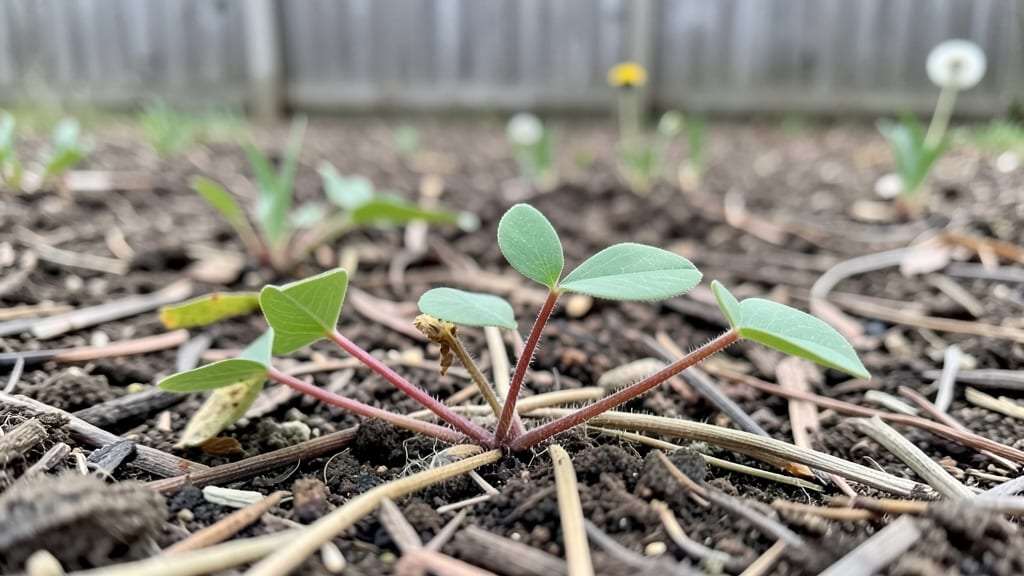
Removing poison ivy seedlings before they spread is the fastest way to save your garden from a rash-inducing takeover. ✨ I’ve learned the hard way—those tiny three-leafed invaders multiply fast, and by the time you notice them, they’re everywhere.
The key is acting early, using the right tools, and knowing exactly what to look for so you don’t confuse them with harmless vines.
Most gardeners mistake poison ivy for Virginia creeper or wild grape because the leaves look similar at first glance. But poison ivy’s leaves grow in clusters of three with smooth edges, and the stems have a hairy texture.
Worse, the oil (urushiol) stays potent even on dead plants, so gloves, long sleeves, and a trash bag are non-negotiable. I’ll show you how to pull them without contaminating your tools or skin.
You’ll have a clear garden in under an hour if you tackle it now—no lingering itchy patches or lost plants. The secret is a mix of sharp tools, vinegar spray for stubborn roots, and a quick rinse routine to keep urushiol off your clothes.
By the end, your garden will stay safe, and your skin will thank you.
Works for any yard, whether you’ve got a few sneaky seedlings or a full-blown invasion. Let’s get rid of them for good without harming your other plants or your peace of mind.
How Young Plants Trigger Reactions
Poison ivy seedlings—those tiny, seemingly harmless sprouts—pack a potent punch because of their unique biology and chemical makeup. Understanding why they cause such severe allergic reactions helps you stay safe and remove them effectively. Below, we break down the key reasons behind the problem.
At the heart of poison ivy’s irritating power lies urushiol, a clear, oily resin found in all parts of the plant, including its leaves, stems, and roots. Seedlings contain concentrated urushiol because:
- Higher oil-to-cell ratio: Young plants have thinner cell walls, making urushiol easier to release when crushed or touched.
- No protective bark: Mature vines develop a waxy layer that slightly reduces exposure, but seedlings lack this shield.
- Rapid urushiol production: Seedlings prioritize growth, allocating resources to resin production for defense against herbivores (including humans!).
Pro tip: 💡 Even a microscopic amount of urushiol—too small to see—can trigger a reaction in sensitive individuals. That’s why gloves, long sleeves, and immediate washing are non-negotiable.
Seedlings rely on urushiol as their primary defense because they lack other protective adaptations found in mature plants, such as:
- Thicker, tougher leaves: Older poison ivy leaves are waxier and less prone to breaking, reducing accidental urushiol release.
- Rooted stability: Established vines spread horizontally, making them harder to uproot accidentally. Seedlings, however, are fragile and often snap easily—releasing urushiol into the air.
- Competitive growth pressure: Young plants grow aggressively to outcompete neighbors, increasing the likelihood of contact with skin, tools, or pets.
Why it matters: A snapped seedling can contaminate tools, clothing, or even your pet’s fur, spreading the oil far beyond the original plant. Always assume any broken plant part is hazardous.
Poison ivy doesn’t "infect" you—it tricks your immune system. Here’s how:
| Step | What Happens |
|---|---|
| 1. Initial Contact | Urushiol binds to your skin’s proteins, forming an antigen that your immune system recognizes as a threat. |
| 2. Allergic Response | Your body releases histamine and other chemicals, causing inflammation, itching, and blisters. |
| 3. Delayed Reaction | Symptoms typically appear 12–72 hours later because urushiol must be processed by your liver before your immune system reacts. |
Fun fact: 🌡️ Only about 15–30% of people are highly sensitive to urushiol, but 80% will have some reaction if exposed repeatedly. Seedlings, with their potent oil, are more likely to push you into that sensitive group.
Not all poison ivy seedlings are equally dangerous—environmental factors amplify their risk:
- Heat and sunlight: Warmth increases urushiol production in seedlings, making them more reactive in summer.
- Humidity and rain: Moisture helps urushiol spread, turning crushed seedlings into a sticky, airborne hazard.
- Wind or tools: Using lawnmowers, rakes, or even walking near seedlings can aerosolize urushiol, increasing inhalation risk (which causes mouth/throat swelling).
Actionable tip: ✨ If you’re removing seedlings in dry, windy conditions, water the area first to settle dust and reduce urushiol particles in the air.
Quick Fixes for Young Poison Ivy
Removing seedling poison ivy early prevents it from spreading and ruining your garden. Here’s how to tackle it effectively, whether you’re dealing with a small patch or a creeping infestation.
Best for: Small clusters or isolated seedlings before they mature.
- 👨🍳 Put on protective gear – Wear long sleeves, gloves, and goggles to avoid skin contact. A disposable coverall or old clothes work too.
- 🔪 Dig out the roots – Use a trowel or garden fork to pull seedlings entirely from the soil, including the taproot.
Breakage leaves behind toxic regrowth. 3. 🧹 Bag and dispose – Seal plants in a plastic bag and throw them in the trash (not compost!). Rinse tools with soapy water to remove oils.
⚠️ Warning: Never burn poison ivy—its smoke releases urushiol, the irritating oil, into the air.
Best for: Larger patches or persistent regrowth in hard-to-reach areas.
- 📊 Choose the right herbicide – Opt for a glyphosate-based or triclopyr-based product labeled for broadleaf weeds. Follow dosage instructions carefully.
- 🌡️ Apply on a warm, dry day – Spray seedlings (not just leaves) until fully saturated.
Avoid windy conditions to prevent drift. 3. 🔄 Reapply if needed – Young plants may require 2–3 treatments spaced 1–2 weeks apart for full eradication.
💡 Pro Tip: For organic control, use vinegar + dish soap (1 gallon vinegar, 1 oz soap) as a spot treatment. Reapply every few days until seedlings die.
Once you’ve cleared the seedlings, keep them from returning with these strategies:
- 🌿 Mulch heavily – Apply 3–4 inches of wood chips or straw to block sunlight, which seedlings need to germinate.
- 🌱 Smother with cardboard – Lay down wet cardboard under mulch to create a barrier against new sprouts.
- 🌳 Plant competitive ground covers – Shade-tolerant plants like creeping thyme, clover, or hostas outcompete poison ivy for space.
- 🚫 Monitor regularly – Check garden edges and shady spots weekly, especially after rain (when seeds germinate fastest).
✨ Final Reminder: If you’re unsure about identification, snap a photo and compare it to a poison ivy identification guide before treating. Misidentifying plants can harm your garden’s ecosystem!
Frequently asked questions
How can I tell if a tiny three-leaf plant is poison ivy?
Look for three shiny, smooth-edged leaves growing in a cluster (the "leaves of three" rule) and a hairy vine. Unlike Virginia creeper (which has five leaves), poison ivy seedlings often have a reddish stem. Snap a photo and compare it to a reliable guide if unsure—mistaking it for harmless plants can lead to painful rashes.
What’s the safest way to remove poison ivy seedlings without spreading the oil?
Wear disposable gloves, long sleeves, and goggles—never reuse tools or clothing. Use a shovel or trowel to dig up the entire root system, then double-bag the plants in plastic before disposal. Rinse tools and your skin with cold water and soap immediately to remove urushiol.
Can I use vinegar to kill poison ivy seedlings?
Yes! Mix 1 gallon of white vinegar with 1 ounce of dish soap and spray it directly on the seedlings. The acidity burns the leaves, but you’ll need to reapply every 2–3 days for 2 weeks to kill the roots. This works best for small patches—larger infestations may need a stronger herbicide.
How long does it take for poison ivy rash to appear after touching seedlings?
Symptoms usually show up within 12–72 hours, but some people react in as little as 5 hours or as long as 5 days. The rash starts with redness and itching, then forms blisters. If you suspect contact, wash your skin with cool water and soap immediately—this doesn’t prevent a reaction but reduces urushiol exposure.
Will burning poison ivy seedlings kill it or make it worse?
Never burn poison ivy—the smoke carries urushiol, which can cause severe respiratory irritation or even blisters in your lungs. Instead, remove it manually or use herbicide. If you’ve already burned it, wash your face, eyes, and any exposed skin with soap and water right away.