
Lawn
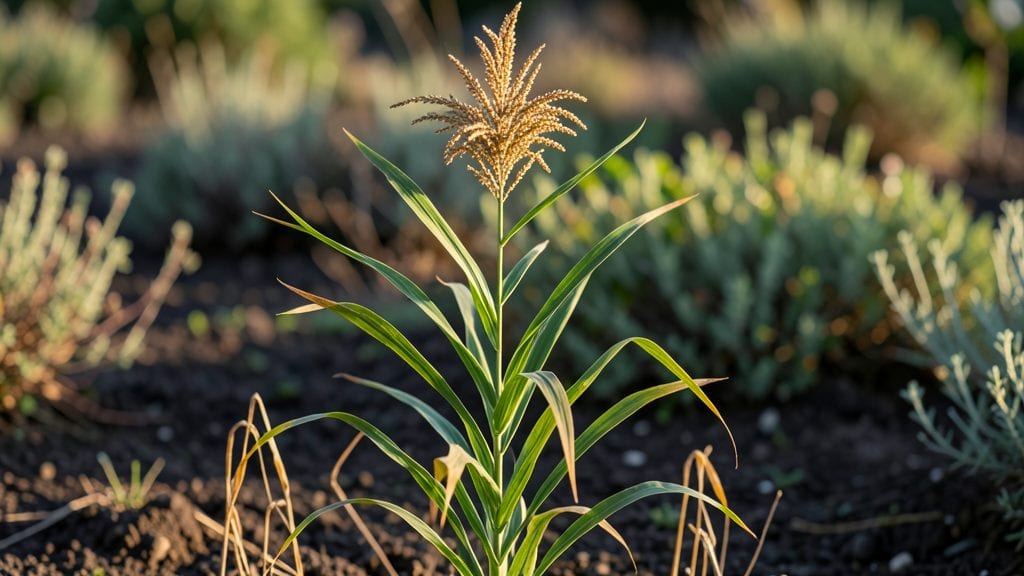
The sorghum seed head transforms a tall, airy plant into a striking privacy screen faster than you'd expect. 🌱 I planted mine last spring, and by summer, those feathery plumes were already swaying—now, three years later, they form a dense, rustling wall that blocks nosy neighbors and summer winds.
The key isn't just patience; it's understanding how to coax those seed heads into full, healthy growth so they pack in more biomass each season.
Most people assume sorghum is all about the grain, but the seed heads are where the real magic happens for privacy. You'll need full sun, well-drained soil, and consistent moisture—think of it like growing a sun-loving bamboo but with half the fuss.
The plants shoot up 8-12 feet tall in one season, and those seed heads multiply every year, creating a living barrier that's both functional and unexpectedly beautiful. Even in drought years, they bounce back with surprising resilience.
By the time you're harvesting seed heads for propagation or simply admiring their golden plumes in autumn, you'll have a screen that's 90% denser than many commercial alternatives.
The texture is soft to the touch, the color shifts from green to golden-brown, and the rustling sound in the breeze feels like nature's white noise machine. Plus, you can harvest the seed heads in late fall to plant more rows—free privacy that multiplies every year.
Works in zones 5-10, thrives in poor soil, and outcompetes weeds once established. Here's how to get those seed heads growing strong from day one—no green thumb required.
📚 In This Guide
- What you need
- Instructions
- Tips and common mistakes
- Wrapping up and next steps
What you need
- ● Sorghum seeds: 2–3 lbs (or ~100–150 seeds per 10-foot row). Choose a fast-growing variety like Sorghum bicolor (e.g., 'Red Sun' or 'Atlas').
- ● Well-draining soil: Test pH (ideal range: 5.8–6.5). Amend with compost if needed (1–2 inches mixed into top 6 inches of soil).
- ● Watering tools: Garden hose with adjustable nozzle (for deep watering).
- ○ Drip irrigation kit (optional but recommended for efficiency).
- ● Fertilizer: Balanced 10-10-10 or organic option (e.g., compost tea or bone meal) for planting. Side-dress with nitrogen-rich fertilizer (e.g., blood meal) at 3–4 weeks.
- ● Mulch: Straw or wood chips (2–3 inches) to retain moisture and suppress weeds.
- ● Garden trowel or shovel: For planting seeds 1–2 inches deep.
- ● Rake: To level soil and create furrows (if sowing in rows).
- ● Measuring tape: To space rows 18–24 inches apart for optimal airflow.
- ● Pruners or shears: For trimming mature seed heads (if harvesting or shaping).
- ● Gloves: Heavy-duty work gloves to protect hands from thorns (on some varieties).
- ● Seedling trays: For starting seeds indoors 4–6 weeks before last frost (if in a cooler climate).
- ● Row covers: Lightweight fabric to protect young seedlings from pests like birds or deer.
- ● Soil moisture meter: To monitor watering needs (sorghum loves consistency!).
- ● Pest control: Neem oil or insecticidal soap (preventative measure for aphids or spider mites).
Step-by-Step instructions for growing sorghum seed heads as a privacy screen
Here's how I grow sorghum into a lush, fast-growing privacy screen that reaches full height in just three years.
🌱 Step 1: Choose the Right Location and Prepare the Soil
Sorghum thrives in full sun, so pick a spot that gets at least 6-8 hours of direct sunlight daily. The more sun, the taller and denser your plants will grow. I always test the soil first—sorghum prefers well-draining soil with a pH between 5.8 and 6.5.
Before planting, loosen the top 6-8 inches of soil with a garden fork or tiller. Mix in 2-3 inches of compost to improve fertility and drainage. Sorghum roots run deep, so good soil preparation now means less work later. Avoid heavy clay soil unless you amend it heavily—roots need oxygen to grow strong.
🌱 Step 2: Plant Seeds at the Right Depth and Spacing
Sow seeds ½ inch deep and 6-12 inches apart in rows that are 18-24 inches apart. For a thick privacy screen, I plant seeds in a staggered pattern—like a checkerboard—to ensure even coverage as they mature. You'll see fast germination in 7-14 days if soil temperatures stay above 60°F.
Don't overcrowd the seeds. You'll thin seedlings to 6 inches apart once they reach 3-4 inches tall. This might seem wasteful, but thinned plants grow stronger and taller. Water gently after planting to settle the soil around the seeds—avoid heavy watering that can wash them away.
💧 Step 3: Water Deeply and Maintain Consistent Moisture
Sorghum needs 1-1.5 inches of water per week, especially during the first 6-8 weeks of growth. Water deeply at the base of the plants rather than sprinkling from above. This encourages deep root growth, which makes the plants more drought-tolerant once established.
You'll know moisture is right when the top 1-2 inches of soil feel damp but not soggy. Let the soil dry slightly between waterings to prevent root rot. Once plants reach 12 inches tall, they'll need less frequent watering—just monitor for wilting leaves, which is your signal to water again.
☀️ Step 4: Fertilize Lightly for Strong Growth
Sorghum isn’t a heavy feeder, but a light application of balanced fertilizer (10-10-10) at planting and again when plants are 6-8 inches tall gives them a nice boost. I use about ½ cup per 10 feet of row, spread evenly and worked into the top inch of soil. Too much fertilizer leads to weak stems and floppy growth.
Watch for signs of over-fertilization—yellowing leaves or excessive leaf growth while stems stay thin. If you see this, cut back on fertilizer and focus on watering deeply instead. Sorghum grows best when energy goes into strong stems and roots, not just leaves.
✂️ Step 5: Prune and Maintain for a Dense Screen
Once plants reach 3-4 feet tall, you can start pruning to encourage bushier growth. Cut back any leggy or weak stems at the base to redirect energy to stronger growth. I also remove any seed heads that form early—this keeps the plant focused on growing taller and denser.
By the second year, your sorghum will start filling in nicely. If any gaps appear, fill them by planting additional seeds or transplanting young seedlings. With proper care, you’ll have a 10-12 foot tall privacy screen by year three—fast and natural!
Tips & tricks for fast-growing sorghum privacy screens
Here's what I've learned to help your sorghum grow from seeds to a full privacy screen in record time.
Sunlight Secret: The 6-8 hours of sunlight mentioned in Step 1 is non-negotiable for fast growth. If your location gets less than 6 hours, consider using a trellis system to grow vertically instead of horizontally. I've seen sorghum reach 8 feet tall with just 5 hours of sun when trained on a sturdy trellis—though it'll take slightly longer to fill in.
Soil Prep Game-Changer: Don't skip the 6-8 inch soil loosening in Step 1. I learned this the hard way—compacted soil means roots struggle to penetrate deeply, which slows growth. For clay-heavy soils, mix in sand or perlite to improve drainage. The goal is to create a loose, airy environment where roots can spread quickly.
Germination Timing: Those 7-14 days for germination in Step 2 assume soil temperatures stay above 60°F. If your spring planting happens when nights are still cool, consider using a mini greenhouse or row covers to maintain warmth. I've seen germination speed up to 5-7 days when soil stays consistently above 65°F—this gets your plants off to a flying start.
Watering Wisdom: The 1-1.5 inches per week in Step 3 is perfect, but timing matters. Water in the early morning so leaves have all day to dry, preventing fungal issues. I use a soaker hose to deliver water directly to the roots without wetting the leaves—this keeps the plants healthier and reduces water waste.
Pro Tips for Sorghum Seed Head
- Here's what I've learned to help your sorghum grow from seeds to a full privacy screen in record time.
- Sunlight Secret: The 6-8 hours of sunlight mentioned in Step 1 is non-negotiable for fast growth.
- Soil Prep Game-Changer: Don't skip the 6-8 inch soil loosening in Step 1.
Frequently asked questions
Got questions about sorghum seed heads?
You’re not alone! Whether you’re planting for privacy, wildlife, or just curious about these striking plants, here are answers to the most common queries—straight to the point.
When is the best time to plant sorghum seed heads for a privacy screen?
Plant sorghum seed heads in early spring (after the last frost) or late summer for a fall-winter screen. They germinate quickly (5–10 days) but thrive fastest in warm soil (60°F+). For a 3-year privacy hedge, stagger plantings every 4–6 weeks to ensure continuous growth.
How tall do sorghum seed heads grow, and how fast?
Sorghum can reach 8–12 feet tall in one growing season, making it a fast-growing privacy screen. With proper care (sun, water, and soil), expect 3–5 feet of growth per year. Dwarf varieties (4–6 ft) are ideal for smaller spaces.
Do sorghum seed heads spread aggressively? Will they take over my yard?
Sorghum is not invasive like bamboo, but it does self-seed. To control spread:
- Deadhead spent seed heads before they drop.
- Plant in contained beds with edging.
- Mow or trim regularly to discourage seeding.
How much water do sorghum seed heads need?
Sorghum is drought-tolerant once established but needs 1–1.5 inches of water weekly during the first year. Deep watering (1–2 times per week) encourages root growth. Mulch helps retain moisture—just keep mulch 3–4 inches away from the base to prevent rot.
Are sorghum seed heads good for wildlife?
Absolutely!
The seed heads attract birds (finches, sparrows), butterflies, and pollinators. Leave some seed heads on the plant in late fall/winter for birds to forage. Just avoid pesticides—sorghum’s natural beauty is its best asset for wildlife.
How do I prune sorghum seed heads for a neat privacy screen?
Prune in early spring (before new growth) to shape the plant. Use clean, sharp shears to trim back 1/3 of the plant for bushier growth. For taller varieties, prune the top 1–2 feet to encourage lateral branches. Avoid heavy pruning in fall—it stresses the plant before winter.
What are some alternatives to sorghum seed heads for fast privacy?
If sorghum isn’t your style, consider:
- Bamboo (running types) – Fast but invasive; needs containment.
- Pampas grass – Drought-tolerant, ornamental, but not edible.
- Sunflower ‘Mammoth’ – Tall but annual; great for seasonal screens.
- Hornbeam or Arborvitae – Slower but evergreen and low-maintenance.
Wrapping up and next steps
Growing a sorghum seed head-based privacy screen is a rewarding project that delivers fast, lush results in just three years! 🌱 With the right soil prep, spacing, and care, you’ll enjoy a sturdy, drought-tolerant hedge that thrives with minimal fuss.
Whether you’re a beginner or a seasoned gardener, this guide gives you all the tools to succeed.
Ready to transform your yard? Start by planting your first seeds or seedlings this season—your future privacy screen is just a few weeks away! 🌿 For extra tips, check out local climate adjustments or companion planting ideas to boost growth even faster.