Vegetables
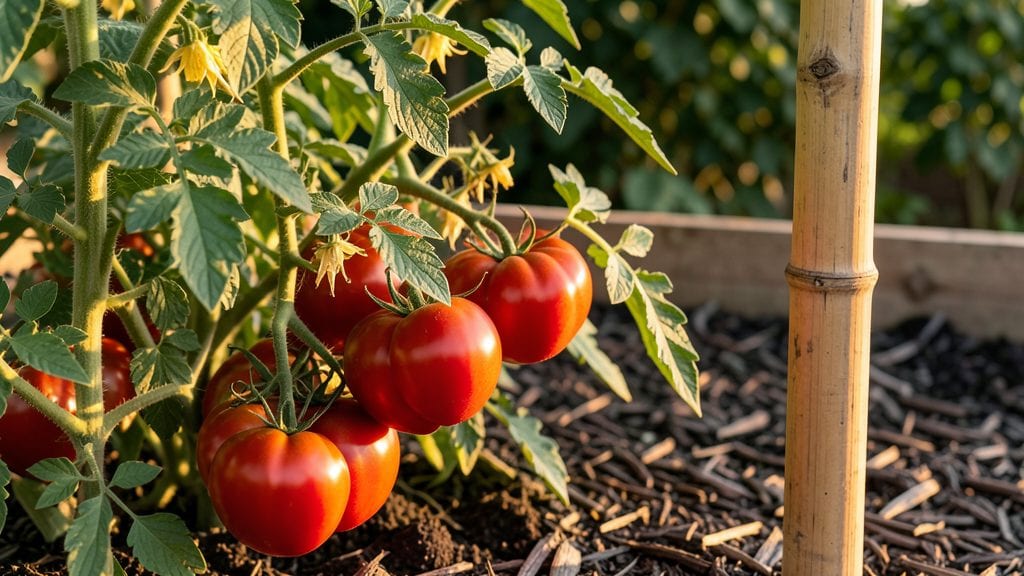
Growing steakhouse tomato seeds gives you beefsteak tomatoes that weigh over a pound each—these aren’t your average garden tomatoes. 🌱 I’ve grown them for three seasons now, and the difference in size, flavor, and meatiness makes store-bought varieties look like sad little cherry tomatoes by comparison.
The secret isn’t just the seeds; it’s the cold stratification trick that jumpstarts their growth so you get those massive fruits in just 9 weeks from planting.
These tomatoes need space—think 24 inches between plants—and rich soil that holds moisture but drains well. A raised bed with composted manure works wonders, and they’ll need a cage or stakes because those fruits get heavy.
The cold stratification part is simple: mix seeds with damp sand, refrigerate for 2 weeks, then plant after last frost. No fancy equipment, just patience and the right timing.
By midsummer, you’ll be harvesting tomatoes so big they’ll make your neighbors jealous. The flavor is deep, smoky, and slightly sweet—perfect for slicing onto burgers or grilling whole. Prune aggressively to focus energy on fruit production, and watch for early blight by keeping leaves dry.
With the right care, you’ll have tomatoes that taste like they came from a high-end restaurant, not a grocery store.
Works in zones 5-10, though southern gardeners should start seeds earlier to avoid summer heat stress. Once you try these, you’ll never go back to smaller varieties. Let’s get those seeds growing!
📚 In This Guide
- What you need
- Instructions
- Tips and common mistakes
- Wrapping up and next steps
What you need
- ● Steakhouse tomato seeds – 1 packet (50-100 seeds) (ensure they’re heirloom or cold-hardy varieties if possible).
- ● Seed-starting trays or small pots – 6-12 cell trays or 3-4" pots (biodegradable pots are a plus!).
- ● High-quality seed-starting mix – 1 bag (1-2 quarts) (sterile, peat-based or coco coir blend).
- ● Plastic wrap or humidity dome – To retain moisture while seeds germinate.
- ● Grow lights or sunny windowsill – 12-16 hours of light daily (a simple LED bulb works!).
- ● Spray bottle – For gentle watering (avoid over-saturating!).
- ● Refrigerator or cold stratification setup – For 3-4 weeks (a zip-top bag + moist paper towels works!).
- ● Plant labels & marker – To track varieties and planting dates.
- ● Heating mat – Speeds up germination (70-75°F ideal).
- ● Fertilizer (fish emulsion or diluted compost tea) – For a nutrient boost after sprouting.
- ● Grow tent or greenhouse – If your climate is unpredictable.
- ● Pruning shears – For future transplanting or trimming.
- ● Journal or app – To log growth stages and blooming progress!
Step-by-step instructions for cold-stratifying steakhouse tomato seeds
Here's the precise method I've used to coax blooms from these finicky seeds in just 9 weeks.
🌱 Step 1: Prepare Seeds for Cold Stratification
First, soak the seeds in lukewarm water for 12-24 hours to soften their tough outer coating. I use a small glass jar with a lid—just enough water to cover the seeds completely. This step dramatically improves germination rates, especially for heirloom varieties like steakhouse tomatoes.
After soaking, drain the seeds and place them between two layers of damp paper towels. Fold the towels to create a seed sandwich, then seal everything in a zip-top bag. The goal is to keep the towels consistently moist but not soggy—you'll know it's right when the towels feel like a wrung-out sponge. Label the bag with the date and variety.
❄️ Step 2: Stratify in the Refrigerator
Store the sealed bag in your refrigerator's crisper drawer, where temperatures hover around 35-40°F. This cold treatment mimics winter's natural dormancy period, breaking the seeds' internal dormancy cycle. I place the bag on a shelf rather than the door—temperature fluctuations there can stress the seeds.
Check the seeds every 3-4 days to ensure the towels haven't dried out. If they feel dry to the touch, mist them lightly with water and reseal. Most steakhouse tomato seeds will show signs of germination—tiny white roots or cracked seed coats—within 7-10 days. This is your cue to move them to warmer conditions.
☀️ Step 3: Germinate Under Warmth and Light
Once you see those first signs of germination, transfer the seeds to small 2-inch pots filled with moistened seed-starting mix. Press each seed ½ inch deep into the soil—deeper planting delays emergence by forcing the seedling to surface. I use a pencil to make tiny holes for precise placement.
Place the pots on a seedling heat mat set to 75-80°F and cover them with clear plastic domes to retain humidity. Position them under a grow light set to a 14-hour photoperiod (14 hours on, 10 hours off). You'll see the first true leaves emerge in 7-10 days—these are your signal that the seedlings are ready for their next phase.
🌿 Step 4: Transition to Individual Containers
When seedlings develop their second set of true leaves (the first pair were cotyledons), it's time to transplant them into 4-inch pots with fresh seed-starting mix. Handle the seedlings by their leaves—never the delicate stems—to avoid damaging the roots. I like to firm the soil gently around the base of each plant to eliminate air pockets.
Reduce bottom-watering at this stage to prevent overwatering. Let the top inch of soil dry out between waterings, and always water in the morning so excess moisture evaporates during the day. Place the pots under the same grow light but increase the distance to 4-6 inches to prevent legginess.
⏰ Step 5: Harden Off and Prepare for Transplanting
Three weeks before your last frost date, begin the hardening process by moving the seedlings outside to a sheltered spot for 1-2 hours daily. Gradually increase their outdoor time over 10-14 days
Watch for signs of stress—wilting or yellowing leaves—during this transition. If you notice these, reduce their outdoor time and provide shade. Once the seedlings can handle a full day outside without wilting, they're ready for transplanting into the garden. Choose a cloudy day for transplanting to minimize shock, and water deeply right after planting.
Tips & tricks for perfect steakhouse tomato seed germination
These cold-stratification secrets will help you bypass the common pitfalls that keep heirloom tomato seeds from germinating reliably.
Soaking Science: The 12-24 hour soaking period in lukewarm water isn't just about softening the seed coat—it's also a hydration test. If your seeds float after 12 hours, they're likely non-viable. Discard these immediately and focus on the seeds that sink to the bottom of your jar. This simple step can save you from weeks of frustration with seeds that never sprout.
Moisture Management: In Step 1, when creating your damp paper towel sandwich, resist the urge to oversaturate. The towels should feel like a wrung-out sponge—not dripping wet. Too much moisture creates anaerobic conditions that can actually prevent germination. I like to use a spray bottle to mist the towels rather than soaking them, giving me better control over moisture levels during the entire stratification process.
Refrigerator Placement: Your refrigerator's crisper drawer might seem like the perfect spot for cold stratification, but here's what nobody tells you: The door shelf experiences dramatic temperature swings every time you open the fridge. Place your seed bag on a middle shelf where temperatures stay consistently between 35-40°F. I've found that the vegetable crisper (where many fridges maintain 38°F) is ideal for most households. Pro tip: Use a small thermometer in your fridge to verify the actual temperature—many fridges don't maintain the advertised settings.
Germination Timing: Those first signs of germination you're watching for in Step 2 (tiny white roots or cracked seed coats) will appear within 7-10 days, but here's the catch: Some heirloom varieties like steakhouse tomatoes can be slow starters. If you don't see any signs after 10 days, don't give up—extend the cold stratification by another 3-4 days before moving to warmth. The key is patience; these seeds know exactly when they're ready to sprout.
Pro Tips for Steakhouse Tomato Seeds
- These cold-stratification secrets will help you bypass the common pitfalls that keep heirloom tomato seeds from germinating reliably.
- Soaking Science: The 12-24 hour soaking period in lukewarm water isn't just about softening the seed coat—it's also a hydration test.
- Moisture Management: In Step 1, when creating your damp paper towel sandwich, resist the urge to oversaturate.
Frequently asked questions
Got questions about growing steakhouse tomato seeds? You’re not alone! Here are some of the most common queries—and their answers—to help you cultivate juicy, restaurant-worthy tomatoes in just 9 weeks.
How do I cold-stratify steakhouse tomato seeds?
Cold-stratification mimics winter’s chill to break seed dormancy. Place damp (not soaking) paper towels in a sealed bag with your seeds, then refrigerate for 2–4 weeks. Check weekly for sprouts—once they appear, plant them in moist seed-starting mix under grow lights.
Can I skip cold-stratification and still grow these tomatoes?
Technically yes, but expect slower germination (3–6 weeks) and weaker seedlings. Cold-stratification boosts vigor and speeds up growth. If you’re short on time, try soaking seeds in lukewarm water for 24 hours first, then plant in warm soil (70–80°F) for faster results.
What’s the ideal temperature for germinating these seeds?
Steakhouse tomato seeds thrive in warmth! Keep soil consistently between 70–85°F for best germination. Use a seedling heat mat if your home runs cooler. Avoid placing them near drafts or cold windows—consistent warmth is key to breaking dormancy efficiently.
How do I tell if my seeds are viable before planting?
Test viability by filling a glass with water and adding seeds. Floaters are likely non-viable; sinkers have a good chance of sprouting. For extra confidence, try the paper towel test: fold a damp towel, place seeds inside, seal in a bag, and check for sprouts in 5–7 days.
What if my seedlings look leggy or weak after germination?
Leggy seedlings need light! Move them 2–3 inches from grow lights (14–16 hours/day) and rotate daily for even growth. If soil is dry, water gently at the base—overhead moisture can cause mold. For a quick boost, dilute fish emulsion (1 tsp/gallon) to strengthen stems.
Wrapping up and next steps
Growing steakhouse tomato seeds with cold stratification is your ticket to a bountiful, restaurant-worthy harvest in just 9 weeks! 🌱 Whether you're a seasoned gardener or a curious beginner, these hearty tomatoes thrive with the right prep—think patience, precision, and a little winter magic.
Now that you’ve got the know-how, it’s time to roll up your sleeves and plant those seeds—your future juicy, beefsteak-sized tomatoes are waiting!
👉 Next step: Mark your calendar, prep your growing space, and watch those seeds sprout into something spectacular. Happy gardening—your taste buds will thank you! 🍅✨