
Flowers
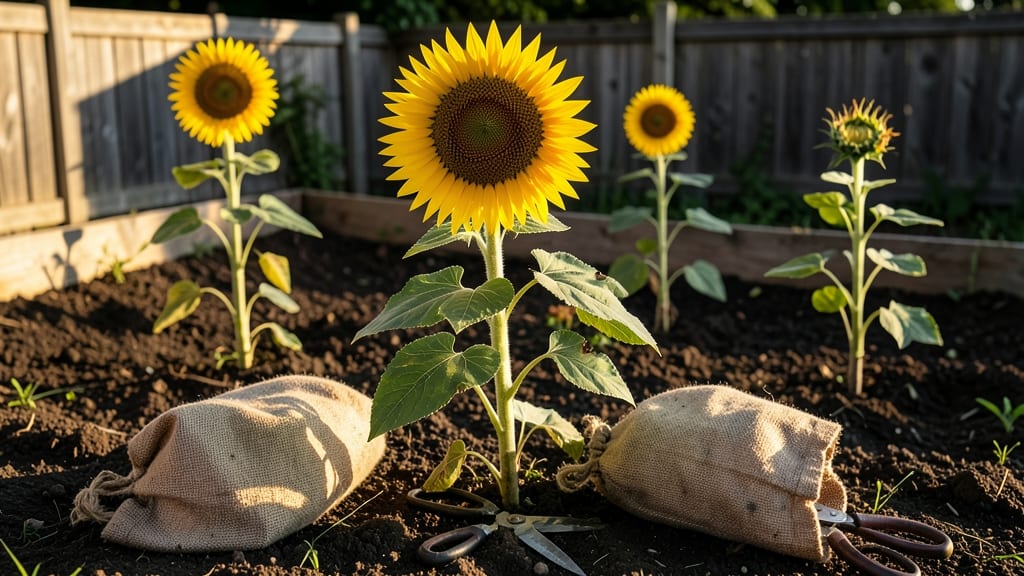
Growing sunflower seeds for cut flowers starts with the right varieties like 'Moulin Rouge' or 'Autumn Beauty'—tall, sturdy stems that hold their own in bouquets for days. 🌻 I learned the hard way that store-bought seeds often lack the strength for long stems, so I switched to heirloom varieties and never looked back.
The secret to those dramatic 6-foot stems isn’t just water and sun—it’s cold stratification. Planting seeds after 6-8 weeks of chilling mimics nature’s timing, giving you plants that grow straight and strong instead of leggy.
You’ll need well-draining soil, full sun, and consistent moisture, but the payoff is stems that last 10+ days in a vase.
By harvest time, you’ll be snipping stems that rival florist-quality bouquets—thick, sturdy, and packed with petals. The key is supporting them early with stakes or cages so they don’t flop under their own weight. Even first-timers get impressive results with this method.
Works in any sunny spot, from backyard beds to large containers. Once you master this, you’ll never buy cut sunflowers again—they’re too easy to grow at home.
📚 In This Guide
- What you need
- Instructions
- Tips and common mistakes
- Wrapping up and next steps
What you need
- ● Sunflower seeds: Choose cut-flower varieties like ‘Moulin Rouge’ or ‘Russian Giant’ (non-GMO, untreated). Quantity: 1–2 lbs (enough for 10–20 plants).
- ● Cold-stratification container: A sealed plastic bag with moist paper towels or a peat moss/perlite mix in a shallow tray.
- ● Planting pots: 4–6" diameter pots with drainage holes (biodegradable or reusable). Quantity: 1 per seedling.
- ● Potting soil: Well-draining, seed-starting mix (avoid garden soil). Quantity: 1–2 gallons.
- ○ Grow lights or sunny windowsill: 12–16 hours of light daily (optional but critical for weak sunlight).
- ● Spray bottle: For misting seeds during stratification.
- ● Label markers & tags: To track varieties and planting dates.
- ● Pruners/scissors: For harvesting stems (sterilize with rubbing alcohol).
- ○ Fertilizer: Balanced liquid fertilizer (5-5-5 or 10-10-10), diluted to half-strength. Optional: Fish emulsion for extra nutrients.
- ○ Heat mat (optional): For faster germination if indoor temps dip below 60°F.
- ● A cool, dark space (34–40°F) for 6–8 weeks of stratification (e.g., fridge crisper drawer).
- ● Patience! Sunflowers take 6–8 weeks to sprout after stratification.
- ● Sunny outdoor spot (6+ hours of direct sunlight) for transplanting after last frost.
Step-by-Step instructions for growing sunflowers for cut flowers
Here's how to grow sunflowers that will produce stunning, long-lasting cut flowers in your garden.
🌱 Step 1: Cold-Stratify the Seeds for 6-8 Weeks
Place the sunflower seeds in a sealed plastic bag with a damp paper towel. This mimics winter conditions and breaks seed dormancy. I like to use a quart-sized bag—just enough room for the seeds to spread out without crowding. Seal the bag tightly and place it in the refrigerator for 6-8 weeks. Check the seeds weekly to ensure the paper towel stays moist but not soggy.
Cold stratification is critical for sunflowers. Without it, germination rates drop dramatically, and seedlings may take twice as long to emerge. You'll know the seeds are ready when they begin to sprout tiny white roots or crack open slightly. This process ensures strong, uniform growth once planted outdoors.
🌱 Step 2: Plant Seeds After Last Frost
Wait until after your last frost date to plant the seeds outdoors. Sunflowers thrive in full sun and need well-draining soil. I plant mine in rows 6 inches apart, with seeds spaced 1 inch deep. For cut flowers, I prefer taller varieties like 'Mammoth' or 'Russian Giant'—their stems are sturdy and perfect for arrangements.
Water the soil thoroughly after planting to help seeds settle. The top layer should feel moist but not waterlogged. Cover the area lightly with mulch to retain moisture and prevent weeds. You'll see sprouts emerge in 7-14 days, depending on your climate. Thin seedlings to 12 inches apart once they reach 3-4 inches tall to give roots room to grow.
☀️ Step 3: Provide Consistent Care for Tall, Sturdy Stems
Sunflowers need at least 6 hours of direct sunlight daily to develop strong stems and vibrant blooms. Water deeply 1-2 times per week, ensuring the soil stays moist but not soggy. I like to water at the base in the morning to reduce evaporation and fungal risks. Fertilize lightly with a balanced, slow-release fertilizer when seedlings are 4-6 inches tall.
Watch for leggy growth—a sign the plants aren’t getting enough light. If stems stretch too tall and thin, move them to a sunnier spot or add a small stake for support. You’ll know they’re thriving when leaves are deep green and stems feel firm to the touch. Avoid overwatering; sunflowers are drought-tolerant once established, and excess moisture can weaken stems.
✂️ Step 4: Harvest Flowers for Long-Lasting Cut Arrangements
Cut sunflowers when the petals are fully open but still slightly moist, usually in the early morning. Use clean, sharp pruners to snip the stem at a 45-degree angle, about 6-8 inches down from the base. This encourages the plant to produce more blooms. Remove any leaves that will sit below the waterline in your vase to prevent bacterial growth.
Place stems immediately in a bucket of cool water to hydrate. Change the water every 2-3 days and trim the stems again at an angle to extend vase life. You’ll love how these sunflowers hold their color and freshness for 7-10 days in arrangements. For continuous blooms, keep deadheading spent flowers to redirect energy to new growth.
Tips & tricks for perfect sunflower growth
A few key strategies will help you grow sunflowers that thrive and produce stunning cut flowers.
Cold-Stratification Secret: During the 6-8 weeks of cold stratification in Step 1, I like to label my bags with the date and variety. This helps track when each batch is ready for planting. You can also place the bag on a shelf in your fridge where it won't get bumped around—sunflowers need gentle handling during this critical period. If you notice mold forming on the paper towel, discard it and start fresh with a new damp towel.
Planting Precision: In Step 2, use a small stick or pencil to make planting holes exactly 1 inch deep—this ensures consistent germination. For taller varieties, consider planting seeds in a slightly deeper hole (about 1.5 inches) to give those sturdy stems a head start. I also recommend planting a few extra seeds in case some don't germinate, but remember to thin to 12 inches apart once they reach 3-4 inches tall.
Sunlight Strategy: The 6 hours of direct sunlight mentioned in Step 3 is non-negotiable for strong stems. If you're growing sunflowers in containers, place them in the sunniest spot you have—even a balcony or patio works. I've found that moving potted sunflowers to follow the sun's path throughout the day can make a big difference, especially in late afternoon when shadows lengthen.
Harvesting Hack: When harvesting in Step 4, I always cut stems at a 45-degree angle in the early morning when the stems are full of water. This simple technique keeps the flowers fresh longer. For maximum vase life, I also like to add a drop of bleach (1/4 teaspoon per quart of water) to the vase water—it helps prevent bacterial growth that can shorten your sunflowers' life.
Pro Tips for Sunflower Seeds For Cut Flowers
- A few key strategies will help you grow sunflowers that thrive and produce stunning cut flowers.
- Cold-Stratification Secret: During the 6-8 weeks of cold stratification in Step 1, I like to label my bags with the date and variety.
- Planting Precision: In Step 2, use a small stick or pencil to make planting holes exactly 1 inch deep—this ensures consistent germination.
Frequently asked questions
Got questions about growing sunflowers from seeds for stunning cut flowers? Here are some of the most common concerns—plus quick, practical answers to help you succeed!
Can sunflower seeds for cut flowers be grown indoors?
While possible, sunflowers thrive outdoors with full sun (6+ hours/day). If you’re short on space, start seeds indoors under grow lights (6-8 weeks before last frost), then transplant seedlings outside once soil warms. Use a large pot (1+ gallon) to accommodate deep roots—just expect smaller blooms than outdoor-grown varieties.
How do I know when sunflower seeds are ready to harvest for cut flowers?
Harvest heads when 50-70% of back petals turn brown (usually 80-100 days after planting). For longer vase life, pick in the morning after dew dries but before noon heat. Cut stems at a 45-degree angle and recut underwater to encourage hydration. Pro tip: Leave 1-2 inches of stem—longer stems wilt faster!
What if my sunflower seeds don’t germinate?
Try these fixes:
- Cold stratification: Chill seeds in a damp paper towel in the fridge for 7–14 days before planting (mimics winter conditions).
- Depth: Plant seeds 1 inch deep—too shallow = poor germination.
- Soil warmth: Wait until soil reaches 55°F+ (use a seedling heat mat if needed).
- Fresh seeds: Store-bought seeds are often 1–2 years old; test viability by soaking in water (floaters = bad).
Are there dwarf sunflower varieties better for cut flowers?
Dwarf varieties like ‘Teddy Bear’ (3–4 ft tall) or ‘Moulin Rouge’ (4–5 ft) are perfect for containers, small gardens, or bouquets. They bloom faster (6–8 weeks) and hold up well in vases. Bonus: Their smaller size makes them easier to grow from seeds without staking!
What’s the best way to dry sunflower heads for long-term storage?
Hang heads upside down in a dry, dark, well-ventilated spot (like a garage) for 2–3 weeks. Avoid direct sunlight to prevent fading. Once fully dry, store in paper bags (not plastic) to prevent mold. Revive dried blooms: Soak stems in warm water for 1–2 hours before arranging!
Wrapping up and next steps
Growing sunflower seeds for stunning cut flowers is simpler than you think—especially with cold stratification to speed up germination in just 6-8 weeks. 🌻 Whether you’re a gardening newbie or a seasoned pro, these hardy blooms bring bold color and easy elegance to any bouquet.
Now that you’re armed with the right materials and answers, it’s time to roll up your sleeves and plant those seeds!
Ready to turn your garden (or windowsill!) into a sunflower paradise? Start today—your future floral arrangements will thank you! 🌱✨