How To
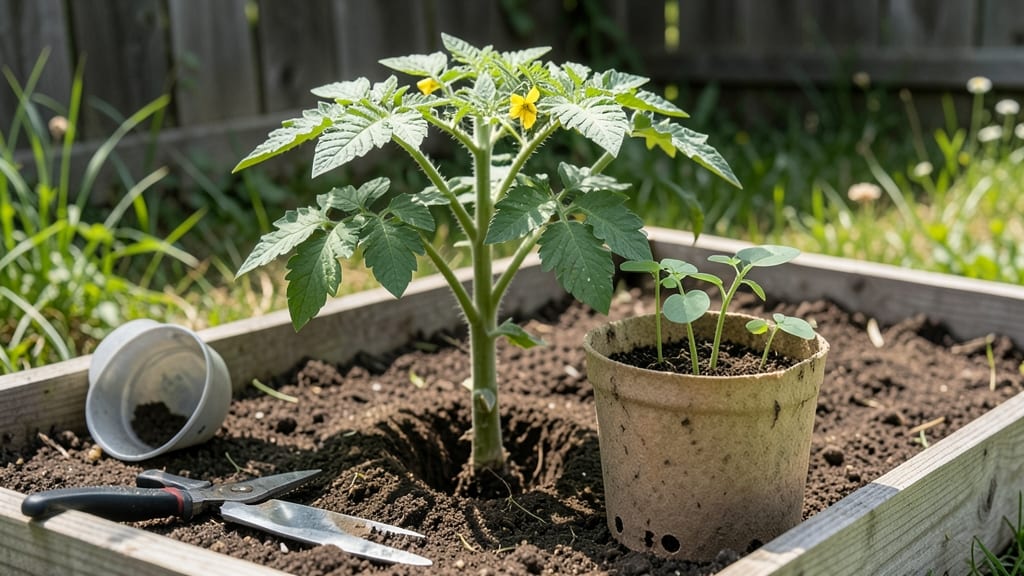
The right tomato seed depth is the secret to strong, healthy 🍅 seedlings that don’t flop or rot—yet many gardeners still plant them by feel.
Planting tomato seeds too deep can smother sprouts, while planting them too shallow leaves them vulnerable to drying out. Even a 1/8-inch difference can mean the difference between thriving plants and wasted effort.
Whether you’re starting seeds indoors in Zone 6a or sowing them directly in spring soil, getting the depth right ensures faster germination and sturdier seedlings ready for transplanting.
Below, I’ll break down the exact measurements for different seed types, how to adjust for soil conditions, and the common mistakes that sabotage even the most eager gardeners.
Optimal tomato seed depth by seed type and germination needs
Getting the tomato seed depth right is the difference between robust seedlings and wasted effort.
Tomato seeds need precise placement to germinate efficiently, and the depth varies based on seed size, seed type, and whether you're starting indoors or outdoors. Heirloom, hybrid, and cherry tomato seeds all have slightly different needs, so let’s break it down.
Most gardeners follow the general rule of planting seeds at a depth equal to 2-3 times their diameter. However, tomato seeds—especially small cherry tomato varieties—often need shallower placement.
The key is balancing moisture retention and oxygen access; too deep, and seeds suffocate; too shallow, and they dry out. Let’s explore the exact depths for each type.
Soil temperature also plays a critical role. Tomato seeds germinate best in soil that’s at least 70°F (21°C). If your soil is cooler, you’ll need to adjust your planting strategy—whether that means using a heat mat for indoor starts or waiting for warmer outdoor conditions. Moisture consistency is equally important; seeds planted too deep may struggle to push through dense soil, while shallow seeds risk drying out.
For indoor starters, I recommend using seedling trays with clear domes to maintain humidity. The optimal depth for most tomato seeds indoors is 1/4 inch (0.6 cm), regardless of variety.
This shallow depth ensures seedlings emerge quickly and don’t develop damping-off disease from excess moisture. Outdoor planting, however, often requires slightly deeper placement to protect seeds from temperature fluctuations and birds.
Here’s a quick reference for the exact planting depths based on seed type and growing conditions:
For cherry tomato seeds, which are much smaller, I’ve found that planting them just 1/8 inch (0.3 cm) deep indoors works best. Their tiny size means they need minimal soil coverage to avoid suffocation.
Outdoors, you can increase the depth slightly to 1/4 inch (0.6 cm) to protect them from drying out or being pecked by birds. Hybrid and heirloom seeds, being larger, tolerate slightly deeper planting—up to 1/2 inch (1.3 cm) outdoors—without compromising germination.
If you’re sowing directly outdoors, wait until the soil temperature consistently reaches 70°F (21°C) or higher. Use a soil thermometer to check; cooler soils slow germination and can lead to weak seedlings.
For cooler climates, consider using a seedling heat mat or starting seeds indoors 6-8 weeks before the last frost date. This gives you a head start and ensures your plants are strong enough to handle transplanting.
Another pro tip: after planting, gently press the soil around the seeds to ensure good seed-to-soil contact. This helps maintain moisture and encourages consistent germination. Water lightly with a spray bottle to avoid displacing seeds, and keep the soil evenly moist—not soggy—until germination occurs. Overwatering can lead to
Common mistakes in tomato seed depth and how to fix them
Getting the tomato seed depth wrong is one of the most common mistakes that lead to weak seedlings or failed germination. Many gardeners underestimate how critical this measurement is—even a 1/16-inch error can make the difference between a thriving plant and a sad, leggy seedling that never recovers.
If you’ve ever planted seeds and wondered why some sprouted while others didn’t, or why your seedlings looked stretched and weak, chances are the depth was off. The good news? Fixing it is simple once you know the signs and solutions.
Too deep: Seeds suffocate, sprouts struggle to break through soil crust, or seedlings emerge with curved hypocotyls (the stem below the soil). Fix: Gently scrape soil away or transplant shallowly.
Too shallow: Seeds dry out before germinating, or seedlings become top-heavy and fall over. Fix: Press seeds lightly into moist soil or use a seed starter mat for warmth.
One of the first signs of planting seeds too deep is leggy seedlings that stretch toward light but can’t stand upright. This happens because the seedling’s energy is focused on reaching the surface rather than developing a strong root system.
If you notice this, try transplanting deeper—bury the stem up to the first true leaves to encourage root growth.
On the flip side, seeds planted too shallow may dry out before germinating, especially in dry or sandy soil. A quick fix is to cover them with a light layer of vermiculite or mist the soil daily until sprouts appear.
For outdoor sowing, use a clear plastic dome or row cover to retain moisture while protecting seeds from drying winds.
If your seeds fail to germinate entirely, don’t assume they’re bad—depth could be the culprit. Try replanting a few at the correct 1/4-inch depth and keep the soil consistently moist.
For stubborn cases, use a seedling heat mat to speed up germination and reduce the risk of soil-borne diseases that thrive in cold, damp conditions.
For a quick troubleshooting checklist, always verify these three factors: soil moisture, seed freshness, and planting depth. If two out of three are correct but germination still fails, depth is likely the issue. Adjust and monitor closely for the next batch!
With the right depth, your tomato seedlings will grow sturdy and fast, setting you up for a bountiful harvest. The key is patience and precision—once you master it, you’ll never guess again! 🌱