
How To
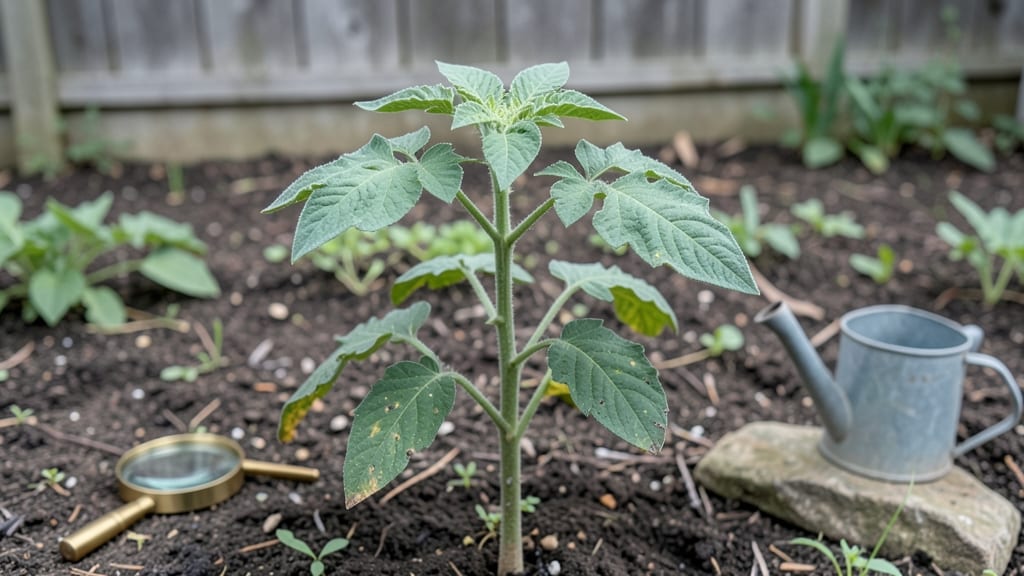
When your tomato seedlings’ leaves curl up like tiny question marks, it’s usually a cry for help—not a death sentence. 🌱 I’ve nursed back dozens of seedlings from this exact problem, and the fixes are simpler than you’d think, once you know what’s stressing them out.
The good news? Most cases turn around within 24-48 hours of the right adjustments.
The culprits are usually overwatering (soggy roots suffocate seedlings), underwatering (leaves shrivel for moisture), or temperature swings (cold drafts or heat lamps too close). Pests like spider mites or aphids can also trigger curling, but they leave behind sticky residue or tiny webs—no residue?
It’s likely environmental. The key is checking soil moisture with your finger (top inch should feel dry) and keeping seedlings in 65-75°F conditions.
Here’s the quick fix: adjust watering first—water deeply but only when the top inch of soil feels dry, then move seedlings to a stable spot away from drafts or heat sources.
If pests are the issue, spray with soapy water (1 tsp mild dish soap per quart of water) and isolate affected plants. Within 3-5 days, you’ll see leaves unfurl and seedlings perk up again, ready for transplanting.
Prevention is even easier: use well-draining seed-starting mix, avoid overcrowding trays (seedlings compete for moisture), and keep a fan nearby to strengthen stems. The first sign of curling? Act fast—healthy seedlings grow bold and upright, not wilted and stressed. Let’s get yours back on track.
Why it happens
If your tomato seedlings are sporting those telltale curled leaves, don’t panic—it’s often a sign of stress, not a death sentence. 🌱 Understanding the root cause (literally and figuratively) is the first step to reviving your plants.
Below, we break down the most common culprits, why they happen, and what’s really going on in your little green friends.
💧 Overwatering or Poor Drainage
Tomato seedlings thrive on consistency, but too much love in the watering department can backfire. When soil stays soggy, roots struggle to breathe, leading to oxygen deprivation and fungal infections like Pythium or Phytophthora.
Curling leaves are a red flag that roots are drowning—often accompanied by yellowing or wilting, even when the soil feels moist.
Why it happens:
- Root suffocation: Compacted or waterlogged soil cuts off oxygen, forcing roots to gasp for air. This triggers a stress response, causing leaves to curl inward to reduce water loss.
- Nutrient leaching: Overwatering flushes away essential nutrients like nitrogen and potassium, which seedlings need to maintain turgor pressure (the "plumpness" that keeps leaves flat).
Actionable clue: Stick your finger 1–2 inches into the soil. If it’s damp like a wrung-out sponge, hold off on watering. Seedlings in containers are especially vulnerable—ensure pots have drainage holes!
☀️ Heat Stress or Sunburn
Tomato seedlings are sun-worshippers, but too much direct heat—especially in hot afternoons—can scorch their delicate leaves. Curling is a protective mechanism, like shutting a window against a blast of wind. 🌞
Why it happens:
- Transpiration overload: Intense sunlight causes rapid water loss through stomata (tiny leaf pores). When water evaporates faster than roots can replace it, cells shrink, and leaves curl to minimize exposure.
- Cell damage: High temperatures can denature proteins in leaf cells, leading to photoxidative stress (basically, the plant’s cells get "sunburned" at a microscopic level).
Actionable clue: Check for crispy or white-edged leaves (signs of sunburn). If seedlings are in direct midday sun, provide dappled shade with a sheer cloth or move them to a spot with morning sun and afternoon shade.
🐛 Pest Pressure: Tiny Thieves at Work
Don’t overlook the invisible villains—sap-sucking pests like aphids, whiteflies, or spider mites can drain your seedlings’ vitality, causing leaves to curl as a defense mechanism. These pests inject toxins while feeding, triggering a chemical alarm in the plant.
Why it happens:
- Toxin injection: Pests like aphids inject salivary enzymes that disrupt plant hormones, leading to curled, stunted growth. Think of it as a tiny needle causing a systemic reaction.
- Nutrient theft: Pests remove sap (which contains sugars and nutrients), starving the plant. Curling conserves energy by reducing leaf surface area.
- Secondary infections: Damaged leaves become entry points for bacteria or fungi, worsening the problem.
Actionable clue: Inspect leaves undersides for sticky residue (honeydew), webs, or tiny bugs. Use a strong stream of water to dislodge pests or apply neem oil (1 tsp per quart of water) as a natural deterrent.
🌡️ Temperature Swings or Cold Stress
Tomato seedlings are tropical at heart and despise sudden temperature drops below 50°F (10°C). Cold stress disrupts cellular functions, leading to curling as the plant tries to conserve energy. 🥶
Why it happens:
- Enzyme shutdown: Cold temperatures slow down or halt critical enzymes responsible for growth and nutrient uptake. Cells lose turgor, causing leaves to curl.
- Root chilling: If roots experience cold stress (e.g., from drafts or unheated soil), they can’t absorb water efficiently, leading to wilting and curling.
- Oxidative damage: Cold can generate reactive oxygen species (molecular "free radicals") that damage cell membranes, further stressing the plant.
Actionable clue: Keep seedlings in a consistent 65–75°F (18–24°C) environment. Avoid placing them near drafty windows, doors, or AC vents. Use a seedling heat mat if nighttime temps dip.
🍄 Fungal or Bacterial Infections
Curling leaves can signal early-stage infections like early blight (Alternaria solani) or bacterial spot (Xanthomonas). These pathogens thrive in humid conditions and often start as tiny dark spots before leaves pucker and curl.
Why it happens:
- Pathogen invasion: Fungi and bacteria enter through stomata or wounds, disrupting cell function. Infected cells lose their ability to hold water, causing curling.
- Toxin production: Pathogens release phytotoxins that alter plant hormones, leading to abnormal growth patterns.
- Blocked nutrient flow: Infected tissues can’t transport water or nutrients, starving the leaf edges and causing them to curl inward.
Actionable clue: Look for dark spots with yellow halos (early blight) or water-soaked lesions (bacterial spot). Improve airflow with spacing or a fan, and avoid overhead watering. For mild cases, apply copper fungicide or a baking soda spray (1 tsp baking soda + 1 quart water + a drop of dish soap).
🌱 Nutrient Deficiencies or Imbalances
Curling can also stem from macro or micronutrient deficiencies, particularly nitrogen (_N_), potassium (_K_), or magnesium (Mg). These nutrients are vital for cell structure and water regulation.
Why it happens:
| Nutrient | Deficiency Signs | Why Leaves Curl |
|---|---|---|
| Nitrogen (N) | Pale yellow leaves, stunted growth | Nitrogen is key for chlorophyll production and protein synthesis. Without it, cells weaken, and leaves curl to reduce energy loss. |
| Potassium (K) | Yellowing leaf edges ("scorch"), weak stems | Potassium regulates water balance and osmotic pressure in cells. A deficiency causes cells to lose water, leading to curling and brittleness. |
| Magnesium (Mg) | Interveinal yellowing (between veins), crispy edges | Magnesium is central to chlorophyll and enzyme function. Without it, leaves can’t photosynthesize efficiently, causing them to curl as a survival tactic. |
Actionable clue: Test your soil or use a balanced fertilizer (
Quick Fixes for Curling Tomato Leaves
Now that you know what’s causing those pesky curled leaves on your tomato seedlings, let’s roll up our sleeves and get them back on track! 🌱💪 The good news? Most fixes are simple, cost-effective, and can be done in just a few minutes.
Below, we’ve mapped out practical solutions tailored to the root cause—plus prevention tips to keep your plants thriving long-term.
Signs: Yellowing leaves, mushy stems, or leaves curling downward (not upward). How to Fix:
- 👨🍳 Pause Watering Immediately
- Let the soil dry out completely before watering again. Stick your finger 1 inch deep—if it’s damp, wait 24–48 hours.
- 🔪 Improve Drainage
- Repot seedlings in well-draining soil (mix potting soil with perlite or vermiculite at a 2:1 ratio).
- Add a layer of gravel or sand at the bottom of pots to prevent waterlogging.
- ⏰ Adjust Your Watering Schedule
- Water only when the top inch of soil is dry. Early morning is best to avoid fungal growth.
💡 Prevention Tip: Use pots with drainage holes and avoid saucers that trap excess water. If growing in the ground, amend heavy clay soil with compost.
Signs: Leaves curling upward in heat or drooping in cold, often with crispy edges. How to Fix:
- 🌡️ Regulate Temperature
- Heat stress? Move seedlings to a shadier spot (east-facing windows or partial shade outdoors).
- Cold stress? Cover with a floating row cover or move indoors near a sunny window (60–75°F is ideal).
- 💦 Boost Humidity (If Air Is Dry)
- Place a tray of water near seedlings or mist leaves lightly in the morning (avoid evening misting to prevent disease).
- 🌱 Harden Off Gradually
- If moving seedlings outdoors, acclimate them slowly over 7–10 days to prevent shock.
💡 Prevention Tip: Use a thermometer to monitor soil temperature—tomatoes prefer 60–85°F. Avoid placing them near heaters or drafty windows.
Signs: Curling paired with yellowing between veins (nitrogen deficiency) or purple stems (phosphorus deficiency). How to Fix:
- 📊 Test Your Soil
- Use a DIY soil test kit (or send a sample to a local extension office) to check pH and nutrient levels.
- 🥗 Adjust Fertilizer
- Underfed? Use a balanced fertilizer (10-10-10) or compost tea for a gentle boost.
- Overfed? Flush the soil with water to leach excess salts, then repot in fresh soil.
- 🍎 Feed the Right Way
- For seedlings, dilute fertilizer to half-strength and apply every 2–3 weeks.
💡 Prevention Tip: Start with slow-release fertilizer (like osmocote) to avoid nutrient spikes. Tomatoes are heavy feeders—don’t fertilize in the last 2 weeks before harvest.
Signs: Curling with tiny holes, webbing, or sticky residue (pests) or spots/mold (disease). How to Fix:
- 🔍 Identify the Culprit
- Aphids/Spider Mites? Spray with neem oil or insecticidal soap.
- Fungal Issues (Early Blight)? Remove affected leaves and treat with copper fungicide.
- 🛡️ Quarantine & Clean
- Isolate infected seedlings and wipe tools with rubbing alcohol to prevent spread.
- 🌿 Boost Plant Immunity
- Strengthen seedlings with compost tea or baking soda spray (1 tsp baking soda + 1 quart water + a drop of soap).
💡 Prevention Tip: Inspect seedlings daily under leaves. Prevent pests with reflective mulch (aluminum foil) or companion planting (basil repels mosquitoes and some pests).
- 🌿 Trim Damaged Leaves: Snip off severely curled or yellowed leaves to redirect energy to healthy growth.
- 🌱 Support Weak Seedlings: Stake or cage young plants to prevent wind/rain damage.
- 🌞 Ensure 6–8 Hours of Sun: Curling often signals light deprivation—move seedlings closer to a sunny window or use grow lights.
Remember: Tomato seedlings are resilient! With these fixes, you’ll see straighter, stronger leaves in 3–7 days. Stay consistent with care, and your plants will reward you with juicy, disease-free tomatoes come harvest time. 🍅🌟
Frequently asked questions
Why do tomato seedling leaves curl upward instead of downward?
Upward curling usually signals heat stress or underwatering, while downward curling often means overwatering or root rot. Check soil moisture first—if the top inch feels dry, water deeply. If leaves are crispy, move seedlings to a cooler, shadier spot immediately.
Can I save tomato seedlings if their leaves are severely curled and yellow?
Yes, but act fast! Trim the most damaged leaves to redirect energy, then check for root health. Repot in fresh, well-draining soil and adjust watering (never let soil stay soggy). If roots look black/mushy, they’re rotting—trim healthy roots and replant. Recovery takes 3-5 days if caught early.
How do I tell if curling is from pests vs. environmental stress?
Pest-related curling often has these clues: sticky residue (aphids), tiny webs (spider mites), or visible bugs on leaf undersides. Environmental stress (water/heat) causes uniform curling without pests. Shake seedlings over white paper—if you see bugs, treat with soapy water or neem oil immediately.
Will tomato seedlings recover if I fix the problem late in the season?
Late-season recovery is possible but limited. Focus on preventing further stress—trim damaged leaves, ensure proper drainage, and protect from extreme temps. If seedlings are small, they may bounce back enough to produce fruit. For mature plants, prioritize saving energy for existing fruit over new growth.
Can I use coffee grounds to fix curling tomato leaves?
Coffee grounds can help mildly if curling is from nutrient deficiency (they add nitrogen), but they’re not a cure-all. For best results, mix 1 part grounds to 4 parts soil and water lightly. However, overuse can make soil too acidic—test pH first (ideal: 6.0-6.8 for tomatoes).