Vegetables
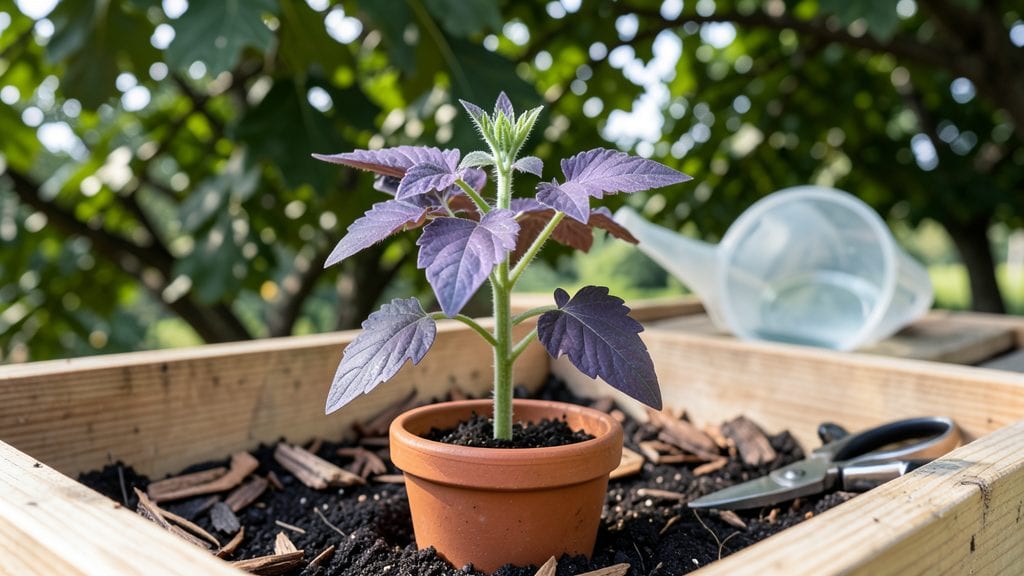
My tomato seedlings turned purple last spring, and I thought I’d lost them—until I learned the cold-resistant varieties actually thrive in cooler weather. 🌱 The secret lies in choosing the right plants and adjusting care to prevent stress, not just treating symptoms after they appear.
Purple stems or leaves usually mean phosphorus or potassium deficiency, but cold snaps, overwatering, or transplant shock can trigger it too. I fixed mine by swapping out my usual fertilizer for a balanced 5-10-10 mix and moving them to a warmer, sunnier spot.
Within a week, the color faded, and the plants bounced back stronger.
Once you identify the cause, prevention is simple: use cold-tolerant varieties like ‘Mountain Merit’ or ‘Black Krim,’ keep soil consistently moist but not soggy, and harden off seedlings gradually. The result? Sturdy, vibrant plants that resist purpling and produce heavier fruit all season.
This works for both cool climates and early spring starts—just adjust your timing and soil prep. Let’s turn those purple warnings into healthy, productive tomato plants before your first harvest!
Root Causes Behind Purple Seedlings
Purple tomato seedlings may look striking, but they often signal underlying issues that can stunt growth or reduce yield. Understanding these causes helps you take corrective action before it’s too late. Below, we break down the most common reasons why your seedlings might be turning purple—and how to address them.
Purple hues in seedlings are often a cry for help from an imbalanced nutrient profile. Specifically, an excess of phosphorus (P) or a severe nitrogen (N) deficiency triggers the production of anthocyanins—pigments that give plants their purple or red tones.
This is a survival mechanism to protect young leaves from stress.
- Phosphorus Overload: While phosphorus is essential for root development, too much (common in fertilizers with high P content) can disrupt nitrogen uptake.
Seedlings may show purple stems and veins while leaves appear stunted or yellowed. - Fix: Use a balanced fertilizer (like 10-10-10) or a low-phosphorus starter mix. Flush the soil with water to leach excess phosphorus if needed.
- Nitrogen Starvation: Nitrogen is crucial for leafy green growth. Without it, seedlings can’t produce chlorophyll properly, leading to purple or reddish discoloration, especially in younger leaves. - Fix: Apply a mild nitrogen supplement (e.g., diluted fish emulsion or compost tea) and ensure well-draining soil.
Avoid over-fertilizing—more isn’t always better!
Tomato seedlings are sensitive to cold, and when exposed to temperatures below 50°F (10°C), they ramp up anthocyanin production as a protective measure.
This is especially common in: - Early spring plantings before soil warms. - Nighttime temperature drops (even if daytime is warm). - Poor insulation (e.g., seedlings planted too early or without row covers).
Cold-stressed seedlings may show: ✔ Purple stems and undersides of leaves. ✔ Slowed growth or wilting. ✔ Leaves that feel tough or leathery.
- Fix:
- Delay planting until soil temperatures consistently stay above 60°F (15°C).
- Use row covers, cloches, or cold frames to shield seedlings from chilly nights.
- Hardening off seedlings gradually (exposing them to outdoor conditions over 5–7 days) helps them toughen up.
When roots struggle to absorb nutrients due to compacted soil or excess moisture, seedlings can’t thrive—and purple discoloration often follows.
This is common in: - Heavy clay soils that don’t drain well. - Overwatered seedlings (leading to root rot and nutrient starvation). - Container-grown seedlings in pots without drainage holes.
Signs of root stress: 🔹 Purple stems and roots. 🔹 Yellowing leaves (chlorosis) despite green veins. 🔹 Stunted or spindly growth.
- Fix:
- Amend soil with compost or perlite to improve drainage.
- Repot seedlings if they’ve outgrown their containers, using a well-draining mix.
- Water only when the top inch of soil is dry—avoid soggy conditions!
Not all purple seedlings are a cause for alarm! Cold-resistant tomato varieties, like ‘Siberian’ or ‘Purple Cherokee’, are bred to develop anthocyanin pigments as a natural defense against frost and stress. These seedlings may stay purple even after transplanting but will still produce healthy plants.
- How to tell the difference:
- Healthy genetic purple: Even stems and leaves retain vibrancy; growth isn’t stunted.
- Stress-induced purple: Often paired with yellowing, wilting, or slow growth.
- Action: If you’re growing a known purple variety, no intervention is needed—just monitor for other stress signs! 🌱
Quick Fixes for Purple Seedlings
If your tomato seedlings are sporting unexpected purple hues, don’t panic—this is often a fixable issue! The color shift can stem from environmental stress, nutrient imbalances, or even genetic quirks.
Below, we’ll break down the most common causes and provide step-by-step solutions to restore healthy green growth. Prevention tips are included to keep your seedlings thriving long-term.
Cold snaps or drafty conditions can trigger purple tinges in seedlings, signaling stress. Tomato plants thrive in warm, stable temperatures (65–80°F during the day and above 50°F at night). If your seedlings are exposed to chilly drafts, windowsills, or early spring frosts, act fast to reverse the damage.
How to Fix It:
- 🔥 Move to a Warmer Spot
- Relocate seedlings to a sunny windowsill, greenhouse, or under grow lights. Avoid placing them near doors, AC vents, or cold walls.
- Pro Tip: Use a heat mat (set to 70–75°F) under seedling trays to maintain root warmth.
- 🌡️ Adjust Nighttime Temperatures
- If nights dip below 50°F, cover seedlings with a floating row cover or cloche to trap heat. Remove it during the day to prevent overheating.
- ⏰ Gradually Acclimate (Hardening Off)
- If seedlings were previously in a warm indoor environment, harden them off slowly by exposing them to outdoor conditions for 1–2 hours daily, increasing time over 7–10 days.
💡 Prevention Tips:
- Use a thermometer to monitor temperature fluctuations near seedlings.
- Avoid bottom watering in cold conditions—it can chill roots. Water at soil level instead.
- Choose cold-resistant varieties (like ‘Siberian’ or ‘Stupice’) if you garden in cooler climates.
Purple stems or leaves often indicate a phosphorus deficiency, but excessive phosphorus can also cause issues. Tomatoes need a balanced NPK ratio (e.g., 5-10-10 or 10-10-10) for steady growth. Over-fertilizing with high-phosphorus mixes or using old compost can throw off the balance.
How to Fix It:
- 🍳 Test Your Soil
- Conduct a DIY soil test (kits are affordable and available at garden centers) to check phosphorus levels. If levels are high, dilute future fertilizers.
- 👨🍳 Apply a Balanced Fertilizer
- Switch to a low-phosphorus, high-nitrogen fertilizer (e.g., 10-5-5 or 8-3-9) to encourage green growth.
- Quick Fix: Mix 1 tbsp of Epsom salt (magnesium sulfate) into 1 gallon of water and water seedlings lightly. Magnesium helps chlorophyll production.
- 🥘 Avoid Over-Fertilizing
- Follow package instructions—more isn’t better! Over-fertilizing can burn roots and worsen discoloration.
💡 Prevention Tips:
- Use compost tea instead of synthetic fertilizers for a gentler nutrient boost.
- Rotate crops to prevent nutrient depletion in the same soil.
- Flush the soil every 4–6 weeks with plain water to leach excess salts.
Purple streaks, spots, or wilting alongside discoloration can signal early blight, fusarium wilt, or bacterial infections. These issues thrive in damp, cool conditions and can stunt seedlings if left unchecked.
How to Fix It:
- 🔪 Prune Affected Areas
- Use sterilized scissors to snip off purple or diseased leaves/stems. Dispose of clippings in the trash (not compost).
- 🌡️ Improve Airflow & Reduce Moisture
- Space seedlings 2–3 inches apart to allow air circulation.
- Water at the base (avoid overhead sprinkling) and ensure containers have drainage holes.
- 💊 Apply Fungicide or Bacterial Spray
- Spray seedlings with a copper-based fungicide (for blight) or neem oil (natural antibacterial).
- Organic Option: Mix 1 tsp baking soda + 1 quart water + a drop of dish soap as a preventive spray.
💡 Prevention Tips:
- Sterilize tools with rubbing alcohol before pruning.
- Avoid wet foliage—water early in the day so leaves dry by evening.
- Use raised beds or containers to improve drainage and reduce soil-borne pathogens.
Some heirloom or cold-hardy tomato varieties (like ‘Indigo Rose’ or ‘Black Krim’) naturally develop purple or anthocyanin pigments in stems and leaves—especially in cool weather. If your seedlings are otherwise healthy, this might just be their genetic quirk!
How to Confirm:
- 📊 Research Your Seed Packets
- Check if your tomato variety is known for purple hues (e.g., ‘Purple Calabash’ or ‘Cherokee Purple’). If yes, no action is needed—they’ll green up as they mature.
- 🌱 Monitor Growth Patterns
- Healthy genetic purple won’t cause stunting, yellowing, or wilting. If seedlings grow strong despite the color, they’re likely fine!
💡 Prevention Tips:
- Buy from reputable seed companies that specify traits like cold resistance or pigmentation.
- Start with disease-resistant hybrids if you’re prone to fungal issues.
With these fixes, your tomato seedlings should bounce back to vibrant green in no time. Remember: consistency is key—whether it’s temperature, nutrients, or airflow. Happy growing! 🌿🍅
Frequently asked questions
Why are my tomato seedlings turning purple?
Purple discoloration in tomato seedlings usually signals stress from phosphorus overload, nitrogen deficiency, or cold exposure. These triggers cause plants to produce anthocyanins—a natural pigment that protects them. Check soil temps (ideal: 60°F+) and adjust fertilizer to a balanced 10-10-10 mix.
Is purple always a bad sign for tomato seedlings?
Not always! Some cold-resistant varieties like ‘Siberian’ or ‘Purple Cherokee’ naturally develop purple stems and leaves. Look for strong growth and no wilting—if seedlings are thriving despite the color, it’s likely genetic. Research your seed packet to confirm.
How can I prevent purple seedlings in my garden?
Start with well-draining soil and use a balanced starter fertilizer (avoid high-phosphorus mixes). Keep seedlings warm (70°F+ roots) and harden them off gradually. For cold climates, choose varieties bred for cooler weather like ‘Mountain Merit’ or ‘Stupice.’
Can I still save purple seedlings?
Yes! Move them to a warmer spot (75°F+ during the day) and switch to a low-phosphorus fertilizer. If roots are healthy, they’ll recover within 1-2 weeks. For severe cases, repot in fresh, well-draining soil and reduce watering to prevent root rot.
What’s the difference between purple from cold vs. nutrient issues?
Cold stress causes even purple discoloration across stems and leaves, while nutrient issues often show as purple veins or spots. Check soil moisture—dry soil may indicate phosphorus deficiency, while soggy soil suggests root stress. A simple soil test can confirm the exact issue.