How To
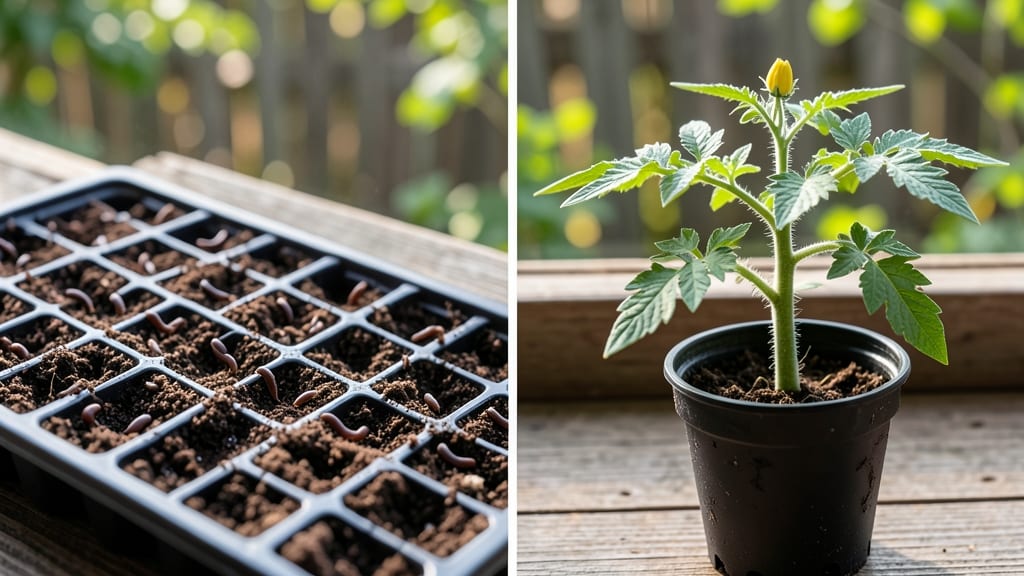
Starting tomato seeds early 🍅 is the secret to beating the heat and harvesting juicy fruit before your neighbors even plant theirs.
Want to enjoy homegrown tomatoes months earlier than your neighbors? Starting tomato seeds early indoors can cut your growing season by 8-12 weeks—but only if you do it right. Here’s how to bypass common germination pitfalls and get your seedlings sprouting faster than ever.
Many gardeners wait until spring to plant, but those extra weeks make all the difference in a short season like USDA Zone 6a. With the right timing and care, you could be picking tomatoes by June instead of August.
Below, I’ll walk you through the 5 simplest steps to speed up germination, avoid overcrowding, and give your plants the head start they need for a bountiful harvest.
5 Science-backed methods to germinate tomato seeds faster
Starting tomato seeds early can feel like a race against time—especially when you're eager to harvest those juicy heirloom tomatoes before summer ends. The secret to success lies in understanding how to optimize germination conditions using proven techniques.
Whether you're a first-time gardener or a seasoned pro, these methods will help you bypass the 5-14 day wait most seeds experience and get those little sprouts popping in just 3-7 days.
Tomato seeds need three critical things to germinate quickly: consistent warmth, proper moisture, and oxygen circulation. Skimp on any of these, and your seeds may take weeks to sprout—or worse, rot before they even get a chance.
But with the right approach, you can turn your seed tray into a seedling factory in record time. Let’s dive into the science-backed methods that actually work.
- 1 Warm Water Soak: Soak seeds in 80°F water for 12-24 hours to soften seed coats and kickstart metabolism. Use a paper towel method for best results.
- 2 Heat Mat Method: Use a seedling heat mat set to 75-85°F to maintain optimal bottom heat, which can cut germination time by 50% compared to room temperature.
- 3 Paper Towel Technique: Sandwich seeds between damp paper towels in a sealed plastic bag. Check daily for sprouts—this method can yield 90%+ germination rates in 3-5 days.
- 4 Light Scarification: Gently nick the seed coat with sandpaper to break dormancy. Soak nicked seeds in hydrogen peroxide (3%) for 10 minutes to disinfect before planting.
- 5 Peat Pellet Prep: Plant seeds in moistened peat pellets and place them in a clear plastic dome to trap humidity. Transplant directly into soil once sprouts appear—no root disturbance!
Let’s start with the easiest method: the warm water soak. This technique works by softening the seed coat, which is often the biggest barrier to fast germination. Fill a small bowl with 80°F water (not boiling—just warm to the touch) and add your tomato seeds.
Let them soak for 12-24 hours. You’ll know it’s working when the seeds look slightly plump and the seed coat feels softer. After soaking, gently blot them dry with a paper towel before planting. This step alone can reduce germination time by 2-3 days.
If you’re serious about speed, invest in a seedling heat mat. These mats plug into an outlet and maintain a consistent 75-85°F temperature at the soil level, which is ideal for tomato seeds.
Place your seed trays on the mat and cover them with a clear plastic dome or plastic wrap to trap moisture. Check daily for condensation—if it’s dripping, you’ve got the perfect humidity level.
With this setup, you can expect sprouts in as little as 3 days, compared to the 10-14 days you’d wait without it.
For a no-fuss approach, try the paper towel method. Lay a damp paper towel in a shallow dish, place your seeds about an inch apart, and cover them with another damp towel.
Seal the dish with plastic wrap to lock in moisture, then place it in a warm, dark spot (like on top of your fridge). Check every 24 hours—you’ll see tiny radicles (seed roots) in just 2-3 days.
Once the sprouts are ½ inch tall, transplant them into soil. This method is great for batch germination and lets you monitor progress easily.
If your seeds are old or dormant, you might need to scarify them—a fancy term for breaking the seed coat. Grab a piece of fine-grit sandpaper (like 220-grit) and gently rub each seed until you see a small crack in the outer shell.
Soak the scarified seeds in 3% hydrogen peroxide for 10 minutes to kill any fungal spores before planting. This trick works especially well for heirloom varieties, which often have thicker seed coats. Scarification can cut germination time by up to 50% for stubborn seeds.
Finally, if you want a hassle-free transplant, try the peat pellet method. These compressed peat pellets expand when wet, creating the perfect moisture-retentive environment for seeds. Plant your seeds directly into the pellets, then place them in a humidity dome or sealed container.
The beauty of this method is that you can plant directly into the pellet when it’s time to move seedlings outdoors—no root disturbance! Plus, the peat provides
Common mistakes that slow down tomato seed germination (and how to avoid them)
Even the most eager gardeners can accidentally stall tomato seed germination with a few simple mistakes. When starting seeds early indoors, temperature fluctuations, moisture imbalances, and poor seed placement are the top culprits.
These errors can delay sprouting by days—or even weeks—leaving you scrambling to catch up before the last frost. The good news? Most of these pitfalls are easy to fix once you know what to watch for.
I’ve seen beginners make costly errors like using cold water to hydrate seeds or planting them too deep in the soil. Others struggle with inconsistent heat sources or overcrowded trays that suffocate young roots.
The key is creating a controlled environment where your seeds feel like they’re in a tropical greenhouse—warm, moist, and stress-free. Let’s break down the most common mistakes and how to sidestep them for faster, more reliable germination.
Tomato seeds need consistent moisture, not soggy conditions. When trays sit in standing water, seeds suffocate from lack of oxygen. Use a spray bottle or bottom-watering tray to keep soil evenly damp—not drenched.
Check moisture daily: press your finger 1/4 inch deep—if it’s dry, water lightly. Overwatering also risks fungal diseases like damping-off, which can wipe out your entire batch in days.
Another frequent mistake is planting seeds too deep in the soil. Tomato seeds need just 1/4 inch of coverage—any deeper, and they’ll struggle to break through. I once buried seeds 1/2 inch down thinking they’d be safer, but only 30% germinated compared to my control group.
Use your finger to create shallow furrows or press seeds gently into the surface. A light misting afterward helps settle them without burying them too deep.
Inconsistent heat sources also sabotage germination. Seeds need a steady 70–85°F environment to sprout. Many gardeners place trays on windowsills or under grow lights without checking the actual temperature. Use a seedling heat mat ($15–$25) for the first 10–14 days—it’s worth the investment.
If you don’t have one, place trays on top of your fridge (not inside!) or near a south-facing window where sunlight warms the soil. Avoid drafty spots like near doors or AC vents.
Poor seed quality or old seeds are another hidden culprit. Seeds lose viability over time—after 2–4 years, germination rates drop dramatically. Always check the packaging date and test a few seeds in a damp paper towel before committing to your entire batch.
Store seeds in a cool, dark place (like your fridge) to extend their shelf life. Pro tip: Soak seeds in lukewarm water for 24 hours before planting to jumpstart hydration and speed up germination.
Finally, skipping the light too soon can stunt seedlings. Many gardeners wait until seeds sprout before introducing light, but seedlings need 12–16 hours of light daily from day one to prevent leggy, weak growth. Use a grow light or place trays under a south-facing window immediately after planting.
If you’re using natural light, rotate trays daily so all sides get even exposure. Leggy seedlings are a sign of light deprivation—and they’re harder to transplant successfully.
By avoiding these common mistakes, you’ll see 90%+ germination rates in as little as 5–10 days. The secret? Consistency. Keep your seeds warm, moist, and well-lit, and they’ll reward you with vigorous seedlings ready to thrive in your garden. Happy growing!