
How To
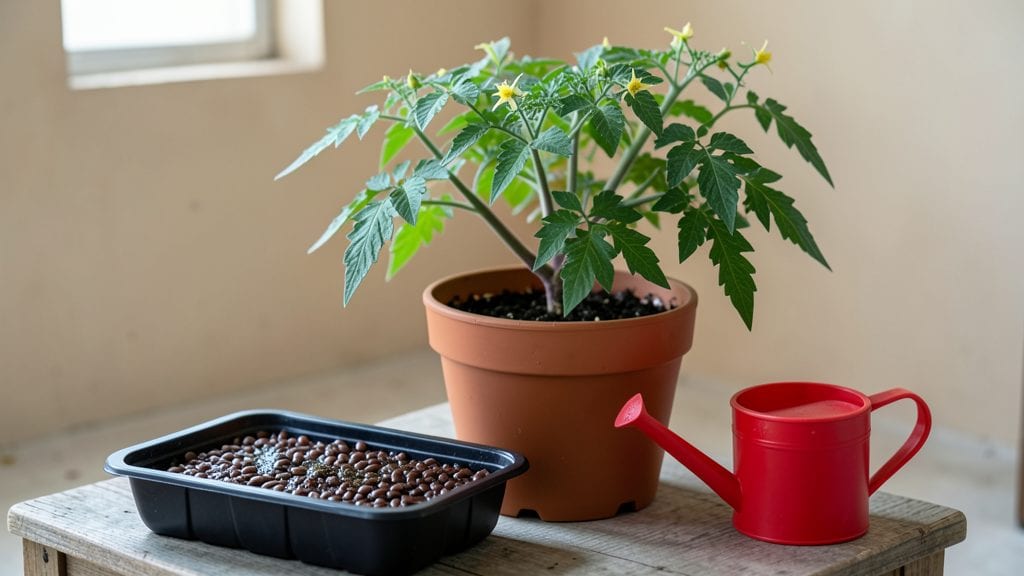
If your tomato seeds aren’t germinating, it’s often not the seeds themselves—it’s the environment you’re giving them. 🌱 I’ve watched batches sit for weeks, stubbornly dry and unchanged, only to crack the code with a few simple tweaks. that force them to wake up.
The key isn’t guessing; it’s checking moisture, warmth, and light like a scientist (without the lab coat).
Most gardeners overlook the basics: seeds need consistent moisture (not soggy) and steady warmth (70-85°F is the magic zone). A damp paper towel in a sealed bag can test viability overnight—if they don’t plump up, they’re done.
Even the best seeds need the right coaxing, and once you dial in these factors, germination happens in 3-10 days, not weeks.
What you’ll get isn’t just sprouts—it’s confidence. No more tossing seeds or blaming "bad luck." You’ll see those first green hooks break through soil, and from there, it’s a straight shot to plump, disease-resistant plants ready for transplanting. The secret’s in the details, not the drama.
Works for heirlooms, hybrids, or those $5 packets from the garden center. Once you master this, your seed-starting success rate will make neighbors ask for your secret. Let’s troubleshoot—starting with the simplest fix that works 90% of the time.
The Hidden Reasons Your Seeds Refuse to Sprout
If your tomato seeds are stubbornly refusing to germinate, the issue likely lies in one (or more) of these key biological barriers. Understanding the science behind seed dormancy and germination will help you troubleshoot—and fix—the problem fast. Here’s what’s really stopping those tiny plants from breaking free:
Tomato seeds are thermophilic, meaning they thrive in warm conditions—but not too warm. The ideal germination temperature range is 70–85°F (21–29°C). Here’s how temperature plays a role:
- Too cold: Below 60°F (15°C), enzymatic activity slows, halting metabolism. Seeds may rot before sprouting. Cold-damp soil (like in a fridge or unheated greenhouse) triggers fungal growth instead of roots.
- Too hot: Above 90°F (32°C), seeds can overheat, causing proteins to denature. This is common in direct sunlight or poorly ventilated seed trays.
- Inconsistent temps: Fluctuations (e.g., night/day swings) confuse the seed’s internal clock. Tomato seeds need consistent warmth to activate gibberellins—hormones that signal germination.
💡 Pro Tip: Use a seedling heat mat (set to 75°F) or place trays on top of a fridge (not inside) for stable warmth. For outdoor sowing, wait until soil temps consistently hit 60°F+ at night.
Seeds need constant moisture to activate, but too much or too little can kill them. Here’s the science:
- Underwatering: Seeds dry out, and their radicle (embryonic root) can’t break through the seed coat. A dry seed bed creates an oxygen-starved environment, suffocating early growth.
- Overwatering: Excess moisture anaerobically stresses seeds, leading to fungal infections (like Pythium) or rot. Stagnant water also leaches nutrients from the seed’s endosperm.
- Poor drainage: Compacted or clay-heavy soil traps water, creating a hypoxic (low-oxygen) zone where seeds suffocate.
🔥 Fix It: Keep soil evenly moist (like a wrung-out sponge) and use a spray bottle for gentle hydration. Elevate trays on a rack to prevent waterlogging. For outdoor beds, mix in perlite or vermiculite (20%) to improve aeration.
Old, stored, or improperly harvested seeds lose viability over time. Tomato seeds typically stay viable for 4–6 years, but germination rates drop sharply after 2 years. Here’s how to test:
| Age of Seed | Estimated Germination Rate | Action Needed |
|---|---|---|
| 0–2 years | 80–95% | Plant as usual; use warmth + moisture. |
| 3–4 years | 50–70% | Stratify or soak seeds first (see next section). |
| 5+ years | 10–30% | Do not plant—replace with fresh seeds. |
🔍 Test Viability: Soak 10 seeds in water for 24 hours. If fewer than 5 swell or sink, they’re likely non-viable. Discard and source fresh seeds.
Many tomato seeds (especially heirloom varieties) have hard seed coats or chemical dormancy to prevent germination until conditions are ideal. This is your seed’s way of saying, “Not yet!” Here’s how to override it:
- Physical dormancy: The seed coat is too tough for water to penetrate. Scarification (nick or sandpaper the seed) or hot water soaking (160°F/71°C for 10 mins) can break it down.
- Chemical dormancy: Some seeds release abscisic acid (a growth-inhibiting hormone) until light or temperature cues trigger germination. Red or blue light exposure (like a grow light) can bypass this.
- After-ripening: Seeds harvested too early may need 2–4 weeks of dry storage to complete maturation before planting.
✨ Quick Fix: Try the paper towel method—fold a damp paper towel around seeds in a ziplock bag, then place in a warm spot (75°F). Check daily for sprouts (3–7 days). Transplant immediately after the radicle appears.
Even the freshest seeds struggle in nutrient-poor, compacted, or sterile soil. Tomato seeds need:
- Loose texture: Compacted soil restricts root penetration. Amend with compost or coconut coir to improve aeration.
- Beneficial microbes: Healthy soil fungi (like mycorrhizae) help seeds access nutrients. Avoid sterilized potting mixes—they lack microbial life.
- pH balance: Tomato seeds prefer slightly acidic to neutral soil (6.0–7.0). Test your soil—lime raises pH, while sulfur lowers it.
- No chemicals: Residual herbicides (like glyphosate) or fungicides can poison seeds. Use organic seed-starting mix only.
🎯 Best Mix: Combine 50% peat/coco coir, 30% perlite, and 20% compost. Sterilize with a baking-soda soak (1 tbsp/gallon water) if repurposing garden soil.
Now that you know the real barriers to germination, you’re ready to apply targeted fixes. Next up: 5 science-backed solutions to break dormancy and get those tomato seeds sprouting in days.
Quick Fixes for Stubborn Seed Growth
Now that you know why your tomato seeds might be playing hard to germinate, let’s roll up our sleeves and tackle the problem head-on! 🌱 These solutions are designed to be practical, easy to follow, and tailored to the most common causes.
Whether your seeds are too dry, too cold, or just need a little extra encouragement, we’ve got you covered.
If your seeds are past their prime or stored improperly, they may lack the energy to sprout. Here’s how to revive them—or know when to cut your losses.
💡 Test for Viability First
Before tossing them, give your seeds a quick viability check: - Paper towel test: Moisten a paper towel, sandwich a few seeds between two, and fold it up.
Place it in a sealed plastic bag and store it in a warm spot (70–80°F). Check for sprouts in 3–7 days. If most seeds sprout, they’re still good to go!
🌱 How to Refresh Stale Seeds
- Soak overnight: Place seeds in a bowl of room-temperature water for 8–12 hours to rehydrate.
Drain and plant immediately. - Stratify (for cold-dormant seeds): If your seeds need a cold snap to break dormancy, place them in a damp paper towel in a sealed bag and refrigerate for 1–2 weeks before planting. - Scarify hard-coated seeds: Gently rub the seed coat with sandpaper or nick it lightly with a knife to help water penetrate.
✨ Prevention Tips
- Store seeds in a cool, dry place (50–60°F) in an airtight container with a desiccant packet (like silica gel).
- Label seeds with the date and variety to track freshness.
- Replace seeds older than 2–3 years—germination rates drop significantly after that.
Tomato seeds thrive in warmth, but too much or too little heat can stall germination. Here’s how to get the temperature just right.
🔥 Ideal Germination Temperature
- Best range: 70–85°F (21–29°C). Use a seedling heat mat (set to 75–80°F) if your home runs cooler.
- Avoid extremes: Temperatures below 60°F (15°C) or above 90°F (32°C) slow down or stop germination.
🍳 DIY Warmth Hacks
- Plastic wrap trick: Cover your seed tray with plastic wrap to trap heat and moisture.
Remove it once sprouts appear. - Bottom heat: Place your seed tray on top of a laptop (low power) or a heated mat for consistent warmth. - Move to a sunny window: South-facing windows or a grow light can help maintain warmth during the day.
🌡️ Prevention Tips
- Use a thermometer to monitor soil temperature.
- Pre-warm your soil mix in the microwave for 30–60 seconds before planting to kickstart germination.
- If using a grow light, keep it 2–4 inches above seedlings to avoid overheating.
Too dry, and seeds won’t wake up; too wet, and they’ll rot before sprouting. Let’s find that sweet spot!
👨🍳 How to Water Like a Pro
- Keep soil consistently moist (not soggy!). Use a spray bottle to mist seeds lightly 2x daily until they sprout.
- Bottom watering: Place your seed tray in a shallow tray of water for 10–15 minutes, then drain excess.
This prevents overwatering. - Avoid cold water: Use room-temperature or slightly warm water to shock seeds.
🥘 Fixing Overwatered or Moldy Seeds
If your soil looks like swampy ground or has fuzzy mold:
- Drain immediately and let the tray sit uncovered for 24 hours to dry out.
- Repot healthy seeds into fresh, dry soil mix.
- Add fungicide: Sprinkle cinnamon or hydrogen peroxide (3%) on the soil to prevent mold.
✨ Prevention Tips
- Use a well-draining seed mix (50% peat/coir, 50% perlite/vermiculite).
- Water only when the top inch of soil feels dry.
- Use clear plastic domes (with ventilation holes) to retain humidity without drowning seeds.
Even the best seeds need the right home to thrive. Let’s fix your soil and planting technique.
🔪 Correct Planting Depth
- Tomato seeds should be planted ¼ inch deep—no deeper! Press them lightly into soil and cover with a thin layer of mix.
- Too deep? Sprinkle fresh soil on top until they’re at the right depth.
🌱 Upgrade Your Soil Mix
- Use a light, airy mix: Avoid garden soil—it’s too dense.
Opt for a seed-starting mix with perlite or vermiculite. - Sterilize your mix: Microwave it for 1–2 minutes to kill fungi or bacteria. - Add compost tea: Boosts microbial activity for faster germination.
🎯 Prevention Tips
- Pre-sprout seeds in damp paper towels, then transplant them into soil once they’ve sprouted a tiny root.
- Use biodegradable pots to avoid disturbing roots during transplanting.
- Label your trays to track planting dates and varieties.
Seeds need the right conditions to stretch toward the light—and enough space to avoid competition.
💡 Light Requirements
- Keep seeds in darkness until they sprout (about 5–7 days).
Cover the tray with a lid or foil. - After sprouting, move them to bright, indirect light (or a grow light 12–16 hours/day). - Avoid direct sunlight until seedlings have 2 true leaves to prevent scorching.
🌿 Fixing Overcrowded Seedlings
If your tray looks like a jungle:
- Thin seedlings to 2 inches apart once they have 2 true leaves.
- Transplant extras into their own pots to avoid competition.
✨ Prevention Tips
- Use individual cells or small pots (2–3 inches wide) to prevent overcrowding from the start.
- Rotate trays daily if using natural light to ensure even growth.
- Avoid touching seedlings—their delicate stems can break easily.
Final Thought: Patience is key! Tomato seeds can take 5–14 days to germinate, depending on conditions. If you’ve tried these fixes and still see no progress, it might be time to start fresh with new seeds—but don’t give up! Even experienced gardeners face germination struggles. 🌱💪
Frequently asked questions
Why are my tomato seeds sitting dry and not sprouting after 2 weeks?
Your seeds likely need warmer temperatures (ideal: 70–85°F) and consistent moisture. Try the paper towel method—place seeds between damp paper towels in a sealed bag at 75°F for 3–5 days. If they still don’t sprout, they may be old or non-viable. Test 10 seeds in water: if fewer than 5 swell, replace them.
Can I speed up germination with light or do seeds need darkness first?
Keep seeds in darkness for the first 5–7 days—light triggers sprouting only after the radicle (root) breaks through. After germination, move them to bright, indirect light (or a grow light 12–16 hours/day) to prevent leggy seedlings. Direct sunlight too soon can scorch delicate sprouts.
My soil looks moldy—can I still save my seeds?
Yes! Drain excess water immediately, then repot healthy seeds into fresh, sterile soil mix (50% peat/coir + 50% perlite). Sprinkle cinnamon or hydrogen peroxide (3%) on the soil to kill fungus. Prevent future mold by using well-draining trays and avoiding soggy conditions.
Are heirloom tomato seeds harder to germinate than hybrids?
Heirloom seeds often have harder seed coats or chemical dormancy, requiring extra steps like scarification (lightly sandpaper the seed) or hot water soaking (160°F for 10 mins). Hybrids usually germinate faster with basic warmth and moisture. Test viability first—if 50%+ of your heirlooms fail, try these dormancy-breaking methods.
How do I know if my seeds are too old to plant?
Tomato seeds lose viability after 2–3 years. Test them: soak 10 seeds in water for 24 hours—if fewer than 5 swell or sink, they’re likely non-viable. Store seeds in a cool, dry place (50–60°F) with a desiccant packet to extend their life. Replace seeds older than 4 years for best results.