
Propagation
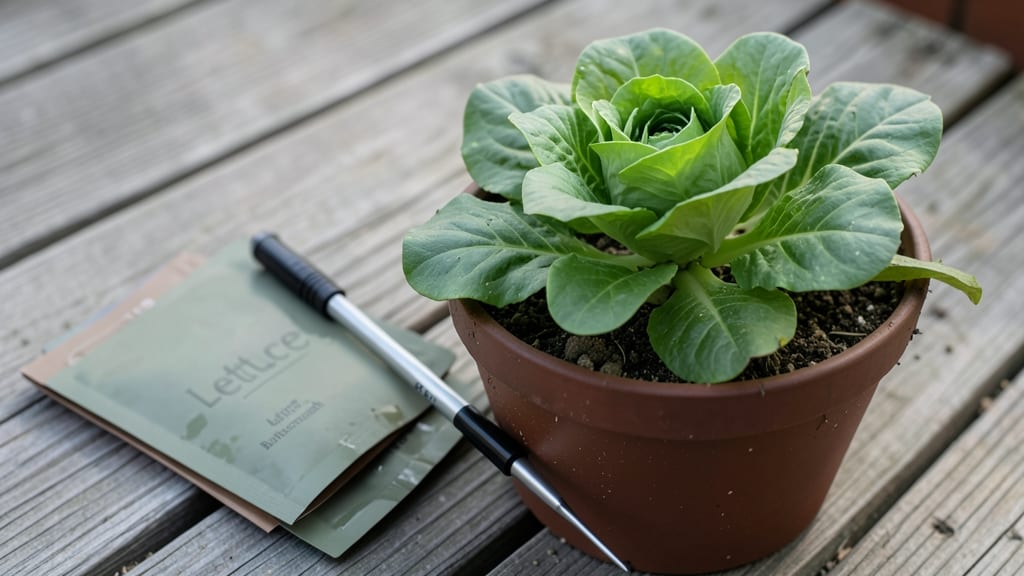
Why aren’t my seeds sprouting—even after weeks of waiting—can feel like a gardening mystery with no answer, but the problem is usually one of seven simple mistakes that even experienced gardeners overlook. 🌱 My first year growing tomatoes, I planted dozens of seeds and stared at empty soil for what felt like forever, only to discover I’d buried them too deep.
The fix turned out to be simpler than I expected: a few tweaks to depth, moisture, and timing made all the difference.
The good news is that most seed failures come down to three core issues: planting too deep, inconsistent moisture, or seeds that are past their prime. You don’t need fancy equipment—just a clear container, a spray bottle, and a thermometer to check soil warmth.
Even my black thumb now gets reliable sprouts within 5-10 days of adjusting these basics. The key is testing one variable at a time to isolate the problem.
By the end of this guide, you’ll know exactly how to create the perfect germination environment for your seeds—whether they’re tiny marigold seeds or stubborn heirloom tomatoes. We’re talking 90%+ success rates with the right moisture balance, warmth, and light cues.
No more guessing whether your seeds are dead or just waiting for the right conditions.
Works for everything from delicate lettuce to hardy beans, and adapts to indoor setups or greenhouse trays. Let’s turn those empty seed trays into a jungle of new growth—starting with the simplest fixes first.
The Hidden Barriers Blocking Growth
When your seeds refuse to sprout, it’s often not a mystery—just a mix of overlooked factors that disrupt their delicate early stages. Germination relies on a perfect storm of conditions, and even small missteps can derail the process.
Below, we break down the most common culprits, backed by science, so you can diagnose and fix the issue before it’s too late.
Seeds need consistent moisture to activate enzymes that break down stored nutrients, kickstarting growth. But the balance is tricky:
- Too dry: Seeds shrink as they lose moisture, halting metabolic activity. Without hydration, the embryo can’t push through the seed coat. Fix: Keep soil or growing medium damp (not soggy)—think of a wrung-out sponge.
- Too wet: Oxygen deprivation from waterlogged conditions triggers anaerobic respiration, producing toxic alcohol and stunting growth. Fix: Use well-draining soil and avoid submerging seeds in water.
Pro Tip: 🌡️ Test moisture by squeezing the medium—if water drips out, it’s too wet. If it crumbles, add a light mist.
Most seeds germinate best within a narrow temperature range (typically 65–75°F for warm-season crops, 55–65°F for cool-season). Outside this window:
- Too cold: Metabolic processes slow to a crawl. Seeds may rot before sprouting. Fix: Use a seedling heat mat or place trays on a sunny windowsill.
- Too hot: Enzymes denature, and seeds can dry out or develop fungal infections. Fix: Avoid direct sunlight until sprouts emerge; use a greenhouse or shade cloth if needed.
Pro Tip: ✨ For finicky seeds (like tomatoes or peppers), a bottom heat source (like a heat mat) mimics natural soil warmth.
Even with perfect conditions, seeds lose viability over time. Factors like:
- Age: Most seeds retain viability for 1–5 years (e.g., lettuce: 1 year; beans: 3–4 years). Older seeds may fail to germinate or produce weak sprouts.
- Physical damage: Cracks, mold, or improper storage (humidity, pests) can kill the embryo.
- Poor storage: Seeds stored in damp or fluctuating temperatures degrade faster.
Fix: Test old seeds with a paper towel germination test (moisten a towel, wrap seeds, and check for sprouts in 3–7 days). Discard seeds with <10% germination rate.
Seeds need oxygen, nutrients, and the right texture to break through. Common pitfalls:
- Compacted soil: Heavy or clay soil suffocates roots and blocks oxygen flow. Fix: Mix in perlite, vermiculite, or coconut coir to improve aeration.
- Sterile medium: Fresh potting soil often lacks microbes to break down organic matter, starving seedlings. Fix: Use seed-starting mix or add compost tea.
- Acidity/alkalinity: Extreme pH (below 5.5 or above 7.5) locks out nutrients. Fix: Test soil pH and amend with lime (to raise) or sulfur (to lower).
Pro Tip: 🔥 For large seeds (like beans or squash), pre-soak them for 4–12 hours to soften the coat and speed germination.
Some seeds require light to germinate (e.g., lettuce, spinach), while others (like tomatoes or peppers) need darkness. Confusing the two:
- Light-dependent seeds: Buried too deep or kept in darkness, they won’t sprout. Fix: Plant shallowly (¼ inch deep) or use a clear lid to let light in.
- Darkness-dependent seeds: Exposed to light, they may rot or fail to germinate. Fix: Press seeds gently into soil (½ inch deep) and keep them covered until sprouts appear.
Pro Tip: 📊 Check seed packets for light requirements—this is a non-negotiable factor for many varieties.
Unseen pathogens like Pythium or Fusarium can rot seeds before they sprout, especially in damp or poorly sterilized conditions. Signs:
- Seeds turn mushy or develop fuzzy mold.
- Soil smells sour or "off."
Fix:
- Sterilize soil with baking soda (1 tsp per quart of water) or hydrogen peroxide (3%).
- Use fungicide-treated seeds or seedling dips (e.g., Mycorrhizal inoculants).
Pro Tip: 🎯 Start with fresh, high-quality soil and avoid overwatering—fungi thrive in stagnant moisture.
Fixing Seed Sprouting Failures
Now that you know the most common reasons your seeds might be refusing to sprout, let’s roll up our sleeves and get them growing! The good news? Most of these issues are easy to troubleshoot—and even easier to prevent next time.
Below, we’ve mapped out practical, step-by-step fixes for each problem, plus pro tips to keep your future seed-starting adventures thriving.
Problem: Seeds lose viability over time, especially if stored improperly. Solution:
- Test viability first: Do a quick paper towel germination test—moisten a paper towel, place 10 seeds inside a sealed bag, and check for sprouts in 3–5 days. If fewer than 50% sprout, your seeds may be past their prime.
- Buy fresh seeds: Opt for seeds labeled with a recent harvest date (ideally within the last 1–2 years for most veggies). Herbs and leafy greens (like lettuce) sprout best when sown within 6–12 months of packaging.
- Store seeds properly: Keep them in a cool, dark, dry place (like a sealed container in the fridge) to extend their lifespan.
💡 Pro Tip: Some seeds (like tomatoes or peppers) benefit from stratification (a cold treatment) or scarification (scratching the seed coat) to break dormancy. Check seed packets for specifics!
Problem: Too much or too little water can drown or dehydrate seeds before they sprout. Solution:
- Bottom-water only: Fill a tray with ½ inch of water and let seeds soak up moisture from below. This prevents overwatering and keeps soil evenly moist.
- Use a spray bottle: For tiny seeds (like herbs or flowers), mist the soil lightly until damp—but never soggy. Aim for consistent moisture, not puddles.
- Check soil moisture: Stick your finger ½ inch into the soil. If it’s dry, water; if it’s damp, wait. Overwatering is a top killer of seeds!
🌡️ Pro Tip: Use a humidity dome (or a plastic wrap tent) to retain moisture while seeds germinate. Remove it once sprouts appear to prevent mold.
Problem: Seeds need warmth to activate, but extremes (too hot or too cold) can stall germination. Solution:
- Use a heat mat: Most seeds germinate best between 65–85°F (18–29°C). A seedling heat mat ($10–$20) placed under trays speeds up the process.
- Move to a warmer spot: Place trays on top of the fridge (not inside!) or near a sunny window. Avoid drafty areas or AC vents.
- Know your seed’s needs: Some seeds (like basil) love 75–85°F (24–29°C), while others (like peas) prefer 60–70°F (15–21°C). Check seed packets for ideal temps.
⏰ Pro Tip: If your home runs cold at night, try a DIY heat source—wrap a warm (not hot!) water bottle in a towel and place it near your seeds.
Problem: Compacted, nutrient-poor soil or planting too deep can smother seeds. Solution:
- Use sterile seed-starting mix: Regular garden soil is too dense. Grab a lightweight, peat-based mix designed for seeds.
- Plant at the right depth: Rule of thumb: 2–3x the seed’s width. Tiny seeds (like carrots) should barely be covered; larger ones (like beans) can go deeper.
- Loosen the soil: Gently fluff the mix with your fingers or a small fork to improve aeration and drainage.
🔥 Pro Tip: For stubborn seeds (like okra or some wildflowers), pre-soak them overnight in warm water to kickstart germination.
Problem: Seeds need light after they sprout, but not during germination. Solution:
- Keep seeds in darkness until sprouted: Most seeds germinate best in darkness (use a tray lid or cover them loosely). Once sprouts appear, move them to bright, indirect light (a south-facing window or grow lights).
- Use LED grow lights: If natural light is weak, 12–16 hours of cool-white LED light (6–12 inches above seedlings) mimics sunlight perfectly.
- Avoid direct sun too soon: Young seedlings can scorch if exposed to harsh midday sun before they’re established.
🎯 Pro Tip: Rotate trays quarter-turn daily so seedlings grow straight toward the light.
Problem: Mold, damping-off, or pests can kill seeds before they break the surface. Solution:
- Prevent mold: Water only the soil (not leaves) and use sterilized tools to avoid contamination. Add a thin layer of sand or perlite to improve drainage.
- Fight damping-off: If seedlings collapse at the soil line, reduce humidity, improve airflow, and dust with cinnamon (a natural antifungal).
- Inspect for pests: Check for fungus gnats (tiny black flies) or mold (fuzzy white/green growth). Drench soil with neem oil solution (1 tsp neem oil + 1 quart water) to deter pests.
✨ Pro Tip: Baking soda spray (1 tsp baking soda + 1 quart water) can help prevent fungal issues—just spray lightly on soil (not leaves).
Problem: Some seeds need stratification, scarification, or specific timing to germinate. Solution:
- Cold-stratify hard seeds: Place seeds in a damp paper towel in a sealed bag, then refrigerate for 1–4 weeks (great for apples, cherries, or some wildflowers).
- Scarify tough seed coats: Use sandpaper, a knife, or a hammer to lightly scratch seeds (like tomatoes or peppers) to help water penetrate.
- Follow seasonal cues: Some seeds (like cool-season crops) won’t sprout in heat. Check your last frost date and plant accordingly.
💡 Pro Tip: Keep a seed-starting journal to track what works—note varieties, dates, and conditions for future success!
Final Thought: Most seed failures are easily avoidable with the right setup. Start with fresh seeds, proper moisture, and warmth, and you’ll see sprouts in no time! 🌱💚
(Need a quick cheat sheet? Bookmark this page or print it out for your next seed-starting session!)
Frequently asked questions
Why do some seeds take longer to sprout than others?
Germination speed depends on the seed type, age, and conditions. Fast-sprouting seeds like radishes or beans typically appear in 3-7 days with ideal warmth and moisture, while slower varieties (tomatoes, peppers) may take 10-20 days. Always check seed packets for expected timelines—some require stratification or scarification first.
Can old seeds still germinate if they’ve been stored for years?
Maybe, but viability drops dramatically after 2-5 years, depending on the seed. Test with a paper towel germination test: Moisten 10 seeds between damp paper towels in a sealed bag. If fewer than 50% sprout in 5-7 days, replace them—old seeds often produce weak, uneven growth even if they do sprout.
What’s the best way to tell if my seeds are getting enough (but not too much) water?
Press your finger ½ inch into the soil—it should feel damp like a wrung-out sponge, not bone-dry or soggy. For tiny seeds, bottom-watering (placing trays in ¼ inch of water) prevents over-saturation. Avoid misting until sprouts appear—excess surface moisture invites mold and damping-off.
Why do my seeds sprout but then collapse or turn black at the soil line?
This is classic damping-off, caused by fungal infections from overwatering, poor airflow, or contaminated soil. Fix it by reducing humidity, improving drainage (add perlite), and using cinnamon powder or neem oil spray. Sterilize tools and trays between batches to prevent reinfection.
Do I really need a heat mat for seeds to germinate?
Not always—but it helps! Most seeds germinate best between 65–85°F. For cold homes, place trays on top of the fridge (not inside) or near a sunny window. If your space runs cold at night, a $10 heat mat can cut germination time in half for finicky varieties like tomatoes or peppers.