
Watering
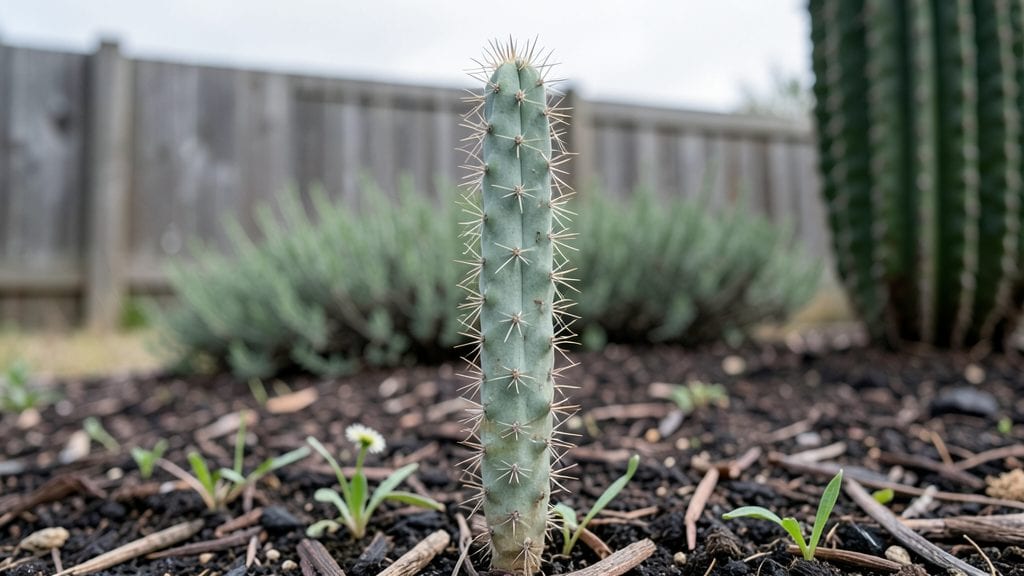
Growing Trichocereus bridgesii seedlings from seed can yield blooms in just two years—if you nail the early stages. I’ve watched these fast-growing cacti go from prickly specks to towering night-blooming giants, and the secret starts with the right soil mix and watering rhythm.
One wrong move, and you’ll end up with mushy stems or stunted growth. But get it right, and you’ll be rewarded with those iconic white flowers that light up dark nights.
The key to fast germination is a well-draining cactus mix—think 60% pumice or perlite, 30% coarse sand, and 10% organic matter. Water just enough to moisten the top layer, then let it dry completely before touching it again.
Too much moisture is the #1 killer of young seedlings, and these guys despise soggy roots. My first batch of Trichocereus bridgesii nearly died from overwatering—learned that the hard way. Bright, indirect light is next, but no harsh midday sun until they’re a few inches tall.
By month 3, your seedlings should be 3-4 inches tall and ready to handle more sunlight. That’s when the real magic happens—they’ll start developing those distinctive vertical ribs and, with patience, those stunning night-blooming flowers.
The trick? Keep them slightly root-bound to encourage flowering. Overpotting too soon delays blooms, and nobody wants to wait longer than necessary for those dramatic white blooms to appear.
This method works in USDA zones 9-11, but container growers in cooler climates can keep them thriving indoors with a south-facing window or grow lights.
Just avoid sudden temperature swings—these cacti prefer steady warmth, day or night. Now, let’s get those seeds sprouting and set the stage for a showstopping display.
📚 In This Guide
- What you need
- Instructions
- Tips and common mistakes
- Wrapping up and next steps
What you need
- ● Trichocereus bridgesii seeds: 5–10 seeds (fresh or stored properly for best results).
- ● Germination mix: 50% cactus/succulent soil (sterilized, well-draining).
- ● 30% perlite or pumice (for aeration).
- ○ 20% coarse sand (optional, improves drainage).
- ● Containers: 2–3 small trays or pots (3–4 inches deep) with drainage holes.
- ● Bottom watering tray or saucer: To maintain moisture without overwatering.
- ● Spray bottle: For gentle hydration (avoid soaking!).
- ● Clear plastic dome or zip-top bag: Creates a humidity tent (8–10 inches tall).
- ● Grow lights or sunny windowsill: 12–16 hours of indirect light daily (south-facing window or LED grow lights).
- ● Thermometer/hygrometer: To monitor temps (ideal: 75–85°F / 24–29°C) and humidity (40–60%).
- ● Seedling heat mat: Keeps soil warm (80–90°F / 27–32°C) for faster germination.
- ● Fungicide (mild): 1 tsp hydrogen peroxide (3%) in water to prevent mold.
- ● Small fans: For airflow (reduces humidity-related rot).
- ● Labeling tags: To track seedling progress!
- ● Glove: Protects hands from prickly seedlings later on.
Instructions for germinating Trichocereus bridgesii seedlings
Here's how to coax those stubborn seeds to sprout quickly and set your cactus on the path to flowering.
Prepare the Germination Medium
Start with a sterile, fast-draining mix—Trichocereus roots despise soggy conditions. Combine equal parts cactus soil and perlite in a shallow container, then moisten it just enough to dampen without pooling. The texture should resemble a damp sponge, not wet sand. I like to use a quart-sized plastic container for this, as it retains enough humidity while allowing airflow.
Sterilize the mix by baking it at 300°F for 30 minutes to kill any fungal spores lurking in the soil. This step is non-negotiable—damping-off can wipe out seedlings overnight. Let the mix cool completely before proceeding. The goal is a warm, sterile foundation that mimics the seed's natural arid environment without suffocating it.
Sow Seeds at the Right Depth and Spacing
Scatter the seeds on the surface—never bury them. Trichocereus seeds need light to germinate, so pressing them gently into the top layer of the mix is sufficient. Space them 1/4 inch apart to prevent overcrowding later. I use a toothpick to create tiny dimples for each seed, ensuring they stay in place without sinking deeper than intended.
Mist the surface lightly with room-temperature water until the top layer is barely damp. Avoid soaking the mix—excess moisture triggers rot before germination even begins. Place the container in a warm, shaded spot (around 75-80°F) where indirect light filters through. A seedling heat mat set to low accelerates germination by 30-50%, but it's optional if your home stays consistently warm.
Maintain Ideal Humidity and Light Conditions
Cover the container with clear plastic wrap to trap humidity, but leave a small gap for airflow. Check daily for condensation—if the wrap fogs up, remove it for 15-20 minutes to prevent fungal growth. Germination typically takes 10-21 days, but patience is key. You'll notice tiny green "humps" breaking through the soil before true leaves appear—this is your first sign of success.
Once seedlings emerge, immediately remove the plastic and move them to bright, indirect light. Direct sun at this stage scorches delicate tissue. A grow light on a 12-hour cycle works best if natural light is insufficient. Watch for leggy growth—a sign they're stretching for light. If stems elongate beyond 1 inch, lower the light source or supplement with a T5 fluorescent bulb to encourage sturdy development.
Transition to Individual Pots
When seedlings reach 1/2 inch tall (usually 4-6 weeks in), transplant them into 2-inch pots filled with the same cactus mix. Handle them by the soil, not the stem—Trichocereus seedlings are brittle. Water lightly after repotting, but avoid wetting the stems. Place pots in a slightly shaded area for 3-5 days to reduce transplant shock, then gradually reintroduce them to brighter conditions.
Resist the urge to overwater. Let the top 1/4 inch of soil dry completely between waterings. Overzealous care is the fastest way to lose these delicate seedlings. Within 3 months, you'll see the first signs of ribbing—your reward for nurturing them through this critical phase.
Tips & tricks for perfect Trichocereus bridgesii seedling germination
Fast germination starts with precision—these targeted strategies will help you bypass the common pitfalls that stall growth and set your seedlings on the path to flowering years ahead of schedule.
Sterilization is Non-Negotiable: The 300°F for 30 minutes sterilization step isn't just recommended—it's essential. I've seen entire batches lost to damping-off from unsterilized soil. Use an oven thermometer to verify your oven reaches exactly 300°F, as many home ovens run hot or cold. After baking, let the mix cool completely before sowing—hot soil can cook the seeds before they even sprout. This step mimics the arid conditions Trichocereus seeds evolved in, where fungal competition is minimal.
Light Requirements Are Critical: Trichocereus seeds need light to germinate, which is why we keep them on the surface. If you notice seedlings emerging but then dying back, it's often from insufficient light during this phase. Place your container near an east-facing window or under a grow light immediately after sowing. The 10-21 day germination window assumes proper light conditions—without it, you might see germination delayed by weeks. Once you see those first green humps, maintain bright indirect light to prevent leggy growth that weakens the seedlings.
Humidity Management Prevents Failure: The plastic wrap creates a greenhouse effect that's crucial for maintaining the 75-80°F environment these seeds prefer. However, the key is balance—check daily for condensation. If you see heavy fogging on the plastic within 15-20 minutes of sealing, remove it immediately to prevent fungal growth. I've found that a small gap (about 1/8 inch) in the plastic wrap allows airflow while maintaining humidity. This mimics the natural humidity fluctuations in their desert habitat without creating the anaerobic conditions that lead to rot.
Transplant Timing Matters: Waiting until seedlings reach 1/2 inch tall before transplanting gives them enough strength to handle the stress of repotting. The 4-6 week window assumes you've maintained proper conditions—if your seedlings are growing more slowly, extend this period rather than rushing the transplant. When repotting, use the same cactus soil and perlite mix to prevent shock. The first watering after transplant should be extremely light—just enough to settle the soil around the roots without wetting the stems, which are prone to rot at this stage.
Pro Tips for Trichocereus Bridgesii Seedling
- Fast germination starts with precision—these targeted strategies will help you bypass the common pitfalls that stall growth and set your seedlings on the path to flowering years ahead of schedule.
- Sterilization is Non-Negotiable: The 300°F for 30 minutes sterilization step isn't just recommended—it's essential.
- Light Requirements Are Critical: Trichocereus seeds need light to germinate, which is why we keep them on the surface.
Frequently asked questions
How long does it take for Trichocereus bridgesii seedlings to germinate?
Germination typically takes 10–30 days under ideal conditions—warmth (75–85°F), consistent moisture, and indirect light. Use a heat mat if your home runs cooler, and avoid overwatering to prevent rot. Patience is key—some seeds may take up to 60 days!
Why aren’t my seedlings sprouting? Troubleshooting tips?
Check these common culprits:
- Cold temps: Seeds need warmth to activate. Move your setup to a warmer spot or use a seedling heat mat.
- Poor moisture: Keep the soil consistently damp (not soggy) with a spray bottle or humidity dome.
- Old seeds: Viability drops after 1–2 years. Test a few seeds in a separate pot if unsure.
- Light issues: Seedlings need indirect light (e.g., a sunny windowsill). Avoid direct sun until they’re established.
When can I transplant my seedlings outdoors?
Wait until seedlings are 3–5 inches tall and have 3+ segments (for Trichocereus bridgesii). Harden them off for 1–2 weeks by gradually exposing them to outdoor conditions. Plant in spring or early summer after the last frost, in well-draining soil with full sun (6+ hours daily).
Can I grow Trichocereus bridgesii from cuttings instead of seeds?
Cuttings root faster and inherit the parent plant’s traits. Use a 3–4 segment cutting, let it callus for 1–2 days, then plant in cactus soil with perlite. Keep it dry for 3–4 weeks to avoid rot. Cuttings often bloom sooner than seedlings!
What pests should I watch for with young seedlings?
Watch for:
- Mealybugs: Cottony white clusters. Wipe off with 70% isopropyl alcohol or use neem oil.
- Scale insects: Hard, shell-like bumps. Scrape off and treat with insecticidal soap.
- Fungal issues: Yellowing or mushy stems? Reduce watering and improve airflow.
Wrapping up and next steps
Growing Trichocereus bridgesii seedlings into stunning, blooming cacti is a rewarding journey—especially when you harness the secrets of fast germination and proper care. With the right mix of sterilized soil, consistent warmth, and patient watering, you’ll set the stage for vibrant growth and breathtaking night-blooming flowers. 🌱✨
Now that you’re armed with the knowledge, take the next step: start your seedlings today! Monitor their progress, adjust care as needed, and soon, you’ll be celebrating those first delicate blooms. Happy growing—your desert oasis awaits! 🌵💚