
How To
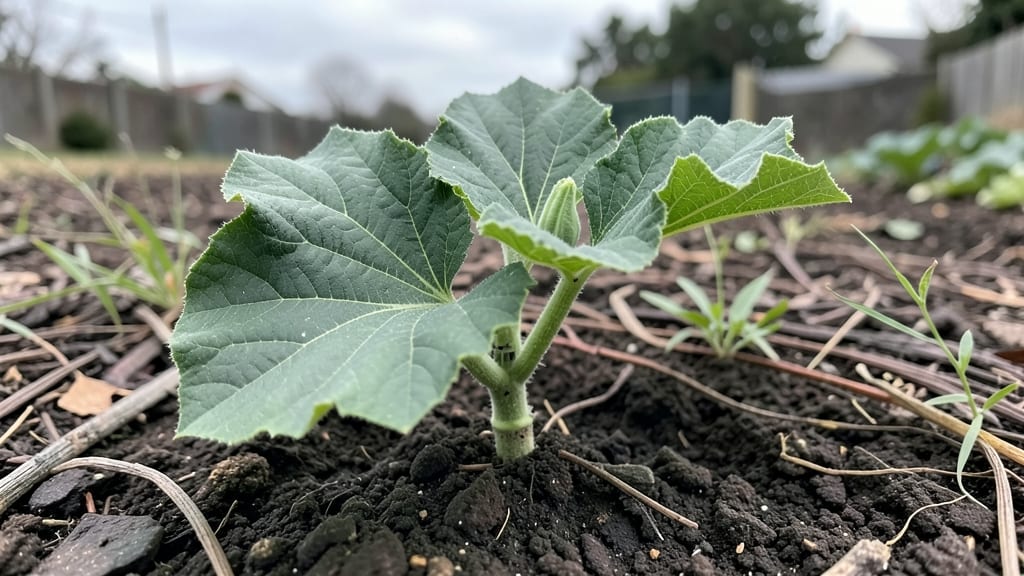
Wondering how long does it take for squash seeds to sprout? They usually emerge in 3 to 10 days when planted in warm, moist soil—though timing can shift if conditions aren’t ideal.
Waiting for those first green shoots can feel like an eternity, especially when you’re eager to see your garden come alive. The good news? With a few simple tweaks, you can cut that wait time in half and ensure your seeds don’t just sprout—they thrive.
Soil temperature is the biggest factor, but moisture, seed freshness, and even planting depth play a role. Below, I’ll break down the ideal conditions, how to speed up germination, and what to do if your seeds take longer than expected.
Whether you’re a first-time gardener or a seasoned pro, these tips will help you avoid common pitfalls and get your squash off to the best possible start.
Squash seed germination timeline: days to first sprouts by type
Understanding the squash seed germination timeline helps you set realistic expectations and troubleshoot delays. Most squash varieties—like zucchini, butternut, and acorn—sprout within 3 to 10 days under ideal conditions.
However, cooler soils or old seeds can stretch this to 2 to 3 weeks. The key? Warmth and moisture—two factors you can control to speed up those first green shoots.
I’ve planted squash for years, and I’ve learned that soil temperature is the #1 factor in germination speed. Squash seeds need soil to stay above 60°F (15°C) to germinate efficiently. Below 50°F (10°C), they may take 2+ weeks or fail entirely.
If you’re in a cooler climate, use black plastic mulch or a seedling heat mat to create the perfect environment.
Here’s what to expect at each stage, broken down by common squash varieties. The table below shows typical germination windows, but remember: your microclimate matters. A sunny windowsill in spring might work for zucchini, while pumpkin seeds (larger and harder) need extra warmth.
Pro tip: Test your soil temperature with a soil thermometer before planting. Aim for 70–85°F (21–29°C) for fastest results. If your soil is too cold, wait a few days or use a greenhouse or cold frame to give seeds a head start.
Now, let’s dive into the specifics. The summary table below highlights the germination timelines for popular squash types, along with their ideal planting conditions. Bookmark this—it’s your cheat sheet for success!
Once your seeds sprout, watch for cotyledons (the first two leaves) to appear in 5–10 days after germination. True leaves (the second set) will follow in another 7–14 days, signaling it’s time to thin seedlings if overcrowded.
But first, let’s nail that critical first step: getting those seeds to crack open.
Don’t overlook the role of seed viability. Older seeds (>5 years) may take longer or not sprout at all. For best results, use fresh seeds (stored in a cool, dry place) or pre-soak them overnight in warm water to kickstart the process.
I’ve seen butternut squash seeds germinate in just 4 days when pre-soaked and planted in warm soil!
Finally, patience is key. If your seeds haven’t sprouted after 2 weeks, gently check one to see if it’s still firm (not sprouted) or mushy (rotten). Adjust your approach—whether it’s warmer soil, better drainage, or fresher seeds—and try again.
With the right conditions, you’ll be harvesting zucchini or pumpkins in no time.
Ready to plant? Grab your soil thermometer, pick your favorite variety, and let’s get those seeds growing!
🌱
🎃
💧
🌡️