
Flowers
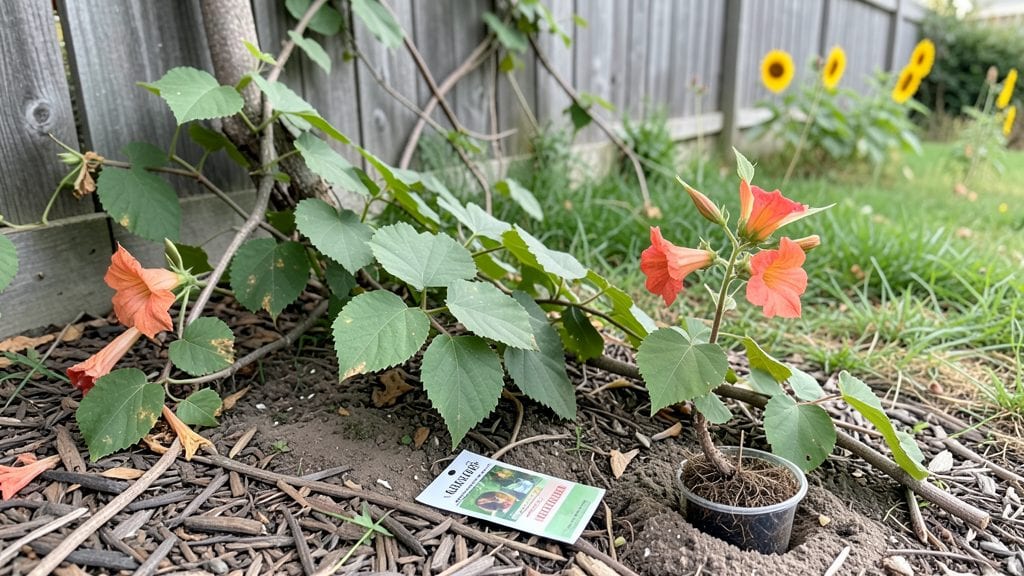
Trumpet flower seeds need a moist-chill prep to break dormancy, and I’ve finally cracked the code after three seasons of impatient waiting. 🌱 The secret isn’t just soaking them—it’s mimicking the natural moisture and temperature swing they’d get in their native woodlands.
Most gardeners rush this step, but taking the extra week pays off with faster, stronger seedlings.
Start by placing seeds in a damp paper towel, sealed in a plastic bag, and tucked into the fridge for 7–10 days. This trick works like magic: you’ll see tiny roots peeking out within days, ready to transplant into warm soil.
The key is keeping that towel consistently moist—not soggy, not dry—just right. I use a spray bottle to check daily, and it’s become my favorite part of the process.
By day 60, you’ll have towering stems with those iconic trumpet-shaped blooms unfurling in vibrant orange or red. The flowers attract hummingbirds like crazy, and the plants keep blooming all summer if you deadhead regularly.
Even my black thumb can’t kill these once they get started—just give them full sun and well-draining soil.
Works for both spring and fall planting in zones 5–9, though fall-sown seeds often bloom earlier the next year. The moist-chill method cuts germination time in half, so you’ll see results faster than with store-bought seedlings. Let’s get those seeds sprouting!
Seeds Struggle To Germinate
Understanding why trumpet flower seeds fail to sprout is half the battle—especially when you’ve followed all the basic steps. Let’s break down the real culprits behind germination woes, so you can troubleshoot like a pro.
Trumpet flower (Allamanda cathartica) seeds lose viability quickly—often within 6–12 months if stored improperly. Here’s why: - Oxidation & Moisture Damage: Seeds exposed to humidity or fluctuating temperatures degrade faster.
A cracked or shriveled seed shell is a red flag. - Improper Storage: Heat (above 70°F/21°C) and light accelerate aging.
Store seeds in a cool (50–60°F/10–15°C), dry place in airtight containers with silica gel packets. - Test for Viability: Float-test seeds in water—sinkers are viable, floaters are dead. For extra certainty, cut open a few: a firm, creamy interior means it’s ready to sprout.
💡 Pro Tip: Buy fresh seeds from reputable suppliers or harvest them yourself when pods turn brown and papery (usually late summer/early fall).
Trumpet flower seeds require stratification—a cold, moist period—to break dormancy. Without it: - Enzymes Stay Dormant: Seeds need 1–3 months of chilling (35–45°F/2–7°C) to activate germination hormones like gibberellins. - Hard Seed Coats: The outer layer resists water uptake.
Soaking in lukewarm water for 24 hours before chilling can help soften it. - DIY Moist-Chill Method:
- Mix seeds with damp peat moss or paper towels (keep moist, not soggy).
- Seal in a ziplock bag with a tiny air gap. 3.
Refrigerate for 60–90 days, checking moisture weekly.
⚠️ Warning: Do not freeze—only use the fridge’s veggie drawer for steady temps.
Once seeds are prepped, heat and light become critical—but getting it wrong kills germination.
- Too Cold (Below 65°F/18°C): Metabolic activity slows; seeds rot before sprouting.
- Too Hot (Above 85°F/29°C): Proteins denature, and seeds overheat.
- No Light: Seeds need indirect light (e.g., near a north-facing window) to trigger photomorphogenesis (the process that turns embryonic leaves green).
- Solution: Use a seedling heat mat (70–75°F/21–24°C) under trays and place under grow lights 12–14 hours/day.
🌡️ Quick Fix: If your home runs cool, try a clear plastic dome over seedlings to trap heat.
Water is a double-edged sword—too much or too little drowns or dehydrates seeds.
- Overwatering: Causes fungal growth (like Pythium) or anaerobic conditions, where seeds suffocate.
- Underwatering: Prevents seed swelling, halting enzyme activation.
- Ideal Setup:
- Use well-draining soil mix (50% peat, 30% perlite, 20% vermiculite).
- Water bottom-up (place trays in a shallow dish of water for 10 mins, then drain).
- Keep soil consistently moist (like a wrung-out sponge)—not soggy.
💧 Pro Tip: Use a spray bottle for fine misting if seeds are tiny or on top of soil.
Tiny invaders can sabotage germination before you even notice:
- Mold (White/Pink Fuzz): Sign of Rhizoctonia or Fusarium—discard contaminated seeds/soil.
- Insects (Fungus Gnats, Mites): Larvae eat sprouts. Prevent with:
- Neem oil spray (1 tsp per quart of water) before planting.
- Yellow sticky traps to catch adults.
- Solution: Sterilize trays with 10% hydrogen peroxide (3% solution) before reuse.
🛡️ Prevention: Work in a clean, well-ventilated space and avoid overcrowding seeds.
Quick Fixes for Failing Trumpet Flower Seeds
Growing trumpet flower seeds (like Allamanda or Catalpa) can be incredibly rewarding, but even the most eager gardeners sometimes hit snags. Whether your seeds aren’t sprouting, seedlings look weak, or pests are wreaking havoc, these practical, step-by-step solutions will get your trumpet flowers thriving in no time.
Below, we’ve mapped common problems to their fixes—plus prevention tips to keep your garden lush and blooming.
Cause: Poor moisture, incorrect temperature, or old seeds. Fix It Fast:
- 🔥 Soak Seeds Overnight – Place trumpet flower seeds in a damp paper towel for 12–24 hours to kickstart hydration. This mimics natural rain and speeds up germination.
- 🌡️ Use Warmth – Trumpet flowers love warmth! Place your seed tray on a seedling heat mat (70–75°F) or near a sunny window. Bottom heat is key—it tricks seeds into thinking spring has arrived.
- 💧 Moist-Chill Method (Again!) – If seeds still resist, try the moist-chill trick: Moisten seeds, seal them in a plastic bag with a damp paper towel, and refrigerate for 3–7 days before planting. This breaks dormancy.
- ⏳ Test Seed Viability – If seeds are over 1 year old, they may have lost potency. Do a float test: Drop seeds in water—sinkers are viable; floaters are duds.
Prevention Tip: 💡 Store seeds in a cool, dry place (like a sealed container with silica gel) and label them with the planting date. Fresh seeds (under 6 months old) germinate best!
Cause: Overcrowding, insufficient light, or nutrient deficiency. Fix It Fast:
- 🌞 Give Them Light – Trumpet flower seedlings crave sunlight. Move them to a south-facing window or under grow lights (12–14 hours/day). Leggy stems = a cry for more light!
- 👨🍳 Thin Them Out – Overcrowded seedlings compete for nutrients. Use clean scissors to snip weaker stems at soil level, leaving the strongest 2–3 inches apart.
- 🥗 Fertilize Gently – Once true leaves appear, feed with a balanced liquid fertilizer (10-10-10) diluted to half strength. Too much too soon = burned roots.
- 🌡️ Harden Off Gradually – Before transplanting, let seedlings acclimate for 7–10 days. Start with 1 hour outside, then increase daily. This prevents shock.
Prevention Tip: ✨ Use biodegradable pots (like peat or coconut coir) to avoid root disturbance when transplanting. This keeps seedlings stress-free!
Cause: Aphids, spider mites, or whiteflies love tender new growth. Fix It Fast:
- 🔪 Blast Them Off – Spray seedlings with a strong stream of water to dislodge pests. Repeat every 2–3 days for 2 weeks.
- 🍳 Homemade Soap Spray – Mix 1 tsp mild dish soap + 1 quart water in a spray bottle. Test on a few leaves first—this kills soft-bodied pests without harming plants.
- 🌿 Introduce Beneficial Bugs – Ladybugs and lacewings devour aphids. Buy them online or attract them with neem oil (spray in the evening to avoid harming pollinators).
- 🛡️ Prevent Future Infestations – Neem oil (applied weekly) deters pests. For heavy infestations, use insecticidal soap (like Safer® Brand).
Prevention Tip: 🌡️ Rotate planting spots yearly to break pest cycles. Trumpet flowers are heavy feeders—mulch with compost to keep soil healthy and pests away!
Cause: Trumpet flowers are tropical—they hate frost or soggy soil. Fix It Fast:
- 🔥 Heatwave Survival – If temps hit 90°F+, shade seedlings with frost cloth or move them to a shadier spot. Trumpet flowers wilt in extreme heat—keep soil consistently moist (not soggy).
- ❄️ Frost Protection – If frost is forecasted, cover plants with a blanket or row fabric and remove it once temps rise. Trumpet flowers cannot tolerate freezing.
- 💧 Drainage Drama – Soggy soil = root rot. Ensure pots have drainage holes and use a well-draining mix (60% potting soil, 30% perlite, 10% compost).
Prevention Tip: 🌡️ Monitor humidity—trumpet flowers thrive in 60–70% humidity. Use a humidifier near seedlings or place trays on a pebble tray with water to boost moisture.
Final Pro Tip: 🎯 Patience is key! Trumpet flowers take 60–90 days to bloom, but with the right care, they’ll reward you with vibrant orange, yellow, or pink trumpets all summer long. Bookmark this guide and check your plants daily—early intervention = happier flowers! 🌸
Frequently asked questions
How long does it take for trumpet flower seeds to sprout after the moist-chill prep?
With the proper moist-chill method, you’ll typically see sprouts within 7–14 days after removing seeds from the fridge. Some varieties may take up to 3 weeks—patience is key! Keep soil consistently moist and warm (70–75°F) to speed things along.
Can I grow trumpet flowers from seeds indoors all year round?
Yes! Trumpet flowers thrive indoors with grow lights (12–14 hours/day) and warmth (70–75°F). Start seeds in spring or fall for best results, but you can grow them year-round in containers. Just ensure they get bright light and humidity (60–70%)—they’re tropical plants at heart!
Why did my trumpet flower seedlings turn yellow and wilt?
Yellowing leaves usually mean overwatering or poor drainage. Trumpet flowers hate soggy roots! Let soil dry slightly between waterings and use a well-draining mix (50% potting soil, 30% perlite, 20% vermiculite). If pests (like aphids) are present, spray with neem oil to protect tender new growth.
Do trumpet flower seeds need direct sunlight to germinate?
No—seeds only need indirect light during germination. Once sprouts appear, move them to bright, indirect light (like a south-facing window). After true leaves form, provide 6+ hours of direct sun daily for strong growth. Grow lights work well if natural light is limited.
How do I harvest seeds from mature trumpet flowers?
Wait until seed pods turn brown and papery (late summer/early fall). Gently twist to remove pods, then split them open to release seeds. Store them in a cool, dry place (50–60°F) for up to 12 months. For best results, use fresh seeds—viability drops after 6 months.