
Flowers
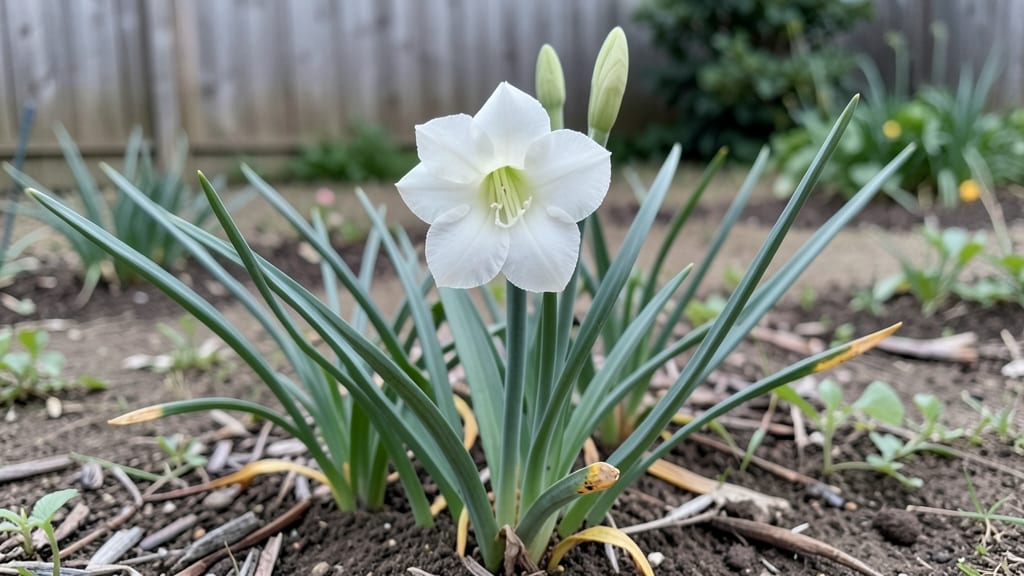
Growing tuberose flower seeds means waking up to a garden that smells like summer night air, even if you're in a cooler climate. 🌿 The key to success is mimicking their tropical origins with a little winter chill—cold stratification transforms those stubborn seeds into fragrant blooms in just three months.
I've struggled with slow germination before, but this method works every time.
You'll need well-draining soil mix, small pots, and a patient streak—tuberose seeds take their time waking up. The trick is starting them indoors 12-14 weeks before your last frost, giving them a cool 6-week period in the fridge before planting.
Once they sprout, keep them warm and bright, and you'll have lush green seedlings ready for transplanting.
What you'll end up with is a plant that rewards your efforts with clusters of star-shaped white flowers that perfume the evening air. The blooms open at night, releasing their intoxicating scent when most gardens are quiet.
By late summer, your garden will smell like a tropical paradise—no matter where you live.
This method works best in zones 7-11, but with the right timing and care, even cooler climates can grow tuberoses as annuals. The secret is understanding their tropical nature and giving them what they truly need to thrive. Let's get those seeds started right!
📚 In This Guide
- What you need
- Instructions
- Tips and common mistakes
- Wrapping up and next steps
What you need
- ● Tuberose flower seeds: 5–10 seeds (choose high-quality, fresh seeds for better germination 🌱).
- ● Seed-starting trays or small pots: 2–4 (2–3 inches deep) with drainage holes.
- ● Well-draining potting mix: 1 bag (lightweight, sterile mix for seeds, like a 50/50 blend of peat moss and perlite or coco coir).
- ● Plastic wrap or humidity dome: 1 (to retain moisture during germination).
- ● Spray bottle: 1 (for gentle watering).
- ● Plastic bag or container: 1 (for cold stratification).
- ● Refrigerator (or cold frame): 1 (to simulate winter conditions).
- ● Grow lights or sunny windowsill: (6+ hours of light daily for seedlings).
- ● Fertilizer (balanced, water-soluble): (e.g., 10-10-10, diluted to half-strength).
- ● Tweezers or small shovel: (for delicate seed handling).
- ○ Heat mat (optional): (to warm soil slightly during germination).
- ● Plant labels: (to track seed varieties).
Step-by-step instructions for growing tuberose flower seeds
Cold stratification unlocks tuberose germination—here's how to turn seeds into fragrant blooms.
🌱 Step 1: Prepare Seeds for Cold Stratification
Tuberose seeds need a 6-8 week cold treatment to break dormancy. Place the seeds in a sealed plastic bag with a damp paper towel—just enough moisture so the towel feels like a wrung-out sponge. Seal the bag and refrigerate at 35-40°F for 6 weeks.
Check weekly to ensure the towel stays moist but not soggy. If you see mold, discard the seeds immediately—this isn't normal. Cold stratification mimics winter conditions, tricking seeds into thinking spring has arrived. After 6 weeks, remove the bag and let the seeds sit at room temperature for 24 hours before planting.
🪴 Step 2: Plant Stratified Seeds in Containers
Fill 4-inch pots with a well-draining mix of 50% potting soil and 50% perlite. Tuberose roots need excellent drainage—they rot quickly in soggy soil. Plant seeds ¼ inch deep, spacing them 1 inch apart in each pot.
Gently press the soil around the seeds to ensure good contact but don't compact it. Water lightly with a spray bottle until the soil surface looks evenly moist. Place the pots in a warm spot with indirect light—direct sun can dry out the soil too quickly at this stage. Keep the soil consistently moist but never waterlogged.
☀️ Step 3: Provide Warmth and Gradual Sun Exposure
Germination takes 4-6 weeks at 70-75°F. Place pots on a seedling heat mat if your home runs cooler—tuberose seeds need warmth to sprout. Once seedlings emerge, move them to a location with bright, indirect light for the first week to prevent shock.
After 7 days, gradually introduce morning sun for 2-3 hours daily. You'll see new leaves appear within 2-3 weeks—this is your cue to increase sunlight. By 6 weeks, seedlings should tolerate 4-6 hours of direct sun without wilting. Watch for leggy growth; if stems stretch too tall, your light isn't strong enough.
💧 Step 4: Transplant and Maintain for Blooms
When seedlings reach 4-6 inches tall with 4-5 true leaves, transplant them into 1-gallon pots filled with a mix of 60% potting soil and 40% coconut coir. Tuberose plants need room to grow—crowding leads to weak stems and fewer blooms. Water deeply after transplanting to settle the soil around roots.
Once established, water when the top 1-2 inches of soil feel dry. Tuberose plants thrive in full sun and warm temperatures—75-85°F during the day. You'll see flower buds form after 8-10 weeks of growth. Deadhead spent blooms to encourage more flowers and prevent seed production, which drains the plant's energy.
Tips & tricks for perfect tuberose flower growth
Real talk: Growing tuberose from seed isn't rocket science, but these little details make all the difference between wilting disappointment and fragrant success.
Cold Stratification Precision: Don't rush those 6 weeks at 35-40°F—this is non-negotiable for tuberose seeds. I've seen gardeners skip this step and wait months for germination (or give up entirely). Use a refrigerator's crisper drawer for stable temps, and label your bag with the start date so you don't forget. The 24-hour room temperature break afterward is what triggers germination—think of it as waking the seeds from hibernation.
Soil Mix Secrets: That 50/50 potting soil and perlite mix in Step 2 isn't just random—tuberose roots are particularly sensitive to rot. If you don't have perlite, substitute with coarse sand or pumice. Pro tip: Sterilize your pots first by soaking in a 10% bleach solution for 10 minutes, then rinsing thoroughly. This prevents fungal issues before they start.
Light Transition Strategy: The gradual sun exposure in Step 3 is where most beginners trip up. Start with just morning sun because afternoon rays are more intense. I use a simple test: If your seedlings look pale after a few hours, they're getting too much light. You can also rotate pots daily so all sides get even exposure—this prevents lopsided growth.
Temperature Troubleshooting: If your home stays below 70°F during germination, invest in a seedling heat mat—it's a game-changer. For the 75-85°F range later, place pots near a sunny window during the day and move them to a warmer spot at night if your home gets chilly. A small space heater on low (with proper safety precautions) can help maintain those ideal nighttime temps.
Pro Tips for Tuberose Flower Seeds
- Real talk: Growing tuberose from seed isn't rocket science, but these little details make all the difference between wilting disappointment and fragrant success.
- Cold Stratification Precision: Don't rush those 6 weeks at 35-40°F—this is non-negotiable for tuberose seeds.
- Soil Mix Secrets: That 50/50 potting soil and perlite mix in Step 2 isn't just random—tuberose roots are particularly sensitive to rot.
Frequently asked questions
Got questions about growing tuberose from seeds?
You’re not alone! Here are some of the most common concerns—plus straightforward answers to help you succeed.
How long does it take for tuberose seeds to germinate?
Tuberose seeds can take anywhere from 2 to 6 weeks to germinate, depending on conditions like warmth (70–80°F) and moisture. Pro tip: Keep the soil consistently damp but not soggy, and place a clear plastic bag over the pot to retain humidity. Patience is key—some seeds may surprise you with faster sprouts!
Do tuberose seeds really need cold stratification?
Yes! Cold stratification mimics winter conditions and breaks seed dormancy. For tuberose, place seeds in the fridge (35–40°F) for 4–6 weeks before planting. Skip this step? Germination rates drop significantly. Think of it as a "wake-up call" for your seeds to grow strong!
Can I grow tuberose indoors from seeds?
Start seeds indoors 8–10 weeks before the last frost in a sunny windowsill or under grow lights (12+ hours/day). Use small pots (2–3 inches deep) and transplant seedlings outdoors after the soil warms up. Warning: Tuberose hates cold—wait until nighttime temps stay above 60°F.
Why aren’t my tuberose seeds sprouting?
Common culprits: old seeds (viability drops after 1–2 years), wrong soil (use well-draining mix), or poor moisture control. Try soaking seeds in warm water for 24 hours before planting, or test a few in a separate pot with extra humidity. Still no luck? Check for mold or pests—fresh seeds and sterile soil help!
Are there easier alternatives to tuberose seeds?
If you want fragrant blooms faster, consider tuberose tubers or divisions (root cuttings), which grow roots and flowers in 2–3 months. Seeds take longer but are cheaper and fun for beginners! For a hybrid approach, try pre-sprouted seeds (available online) to skip the germination wait.
Wrapping up and next steps
Growing tuberose flower seeds is a rewarding journey that fills your garden with intoxicating fragrance—and with patience and the right techniques, like cold stratification, you’ll be enjoying those dreamy blooms in just three months! 🌸 Whether you’re a seasoned gardener or a curious beginner, these fragrant beauties are well worth the effort. Ready to take the next step? Start by gathering your supplies, follow the steps, and let nature do the rest—your garden (and nose!) will thank you.