Lawn
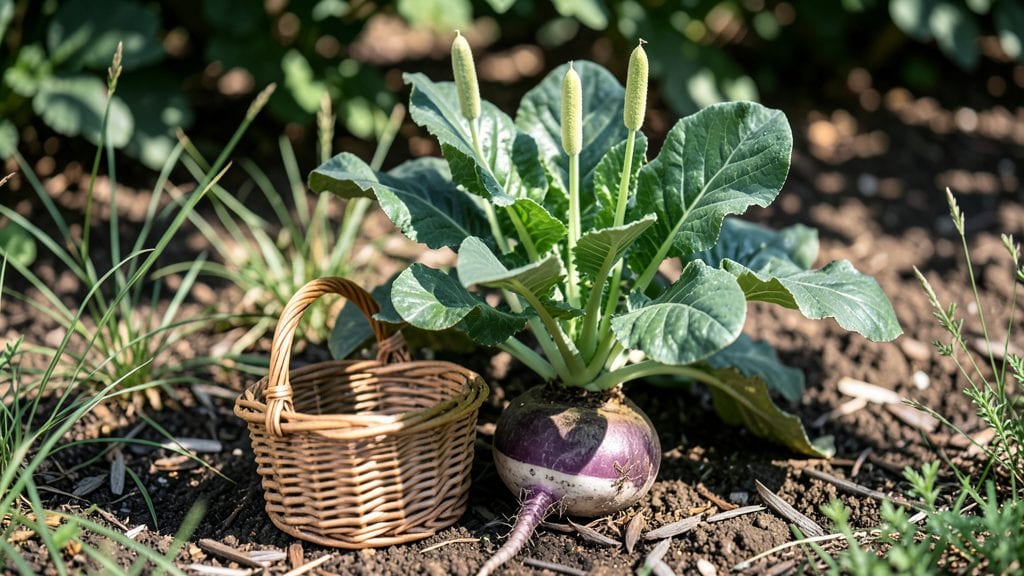
Harvesting turnip seed pods turns last year’s scraps into next season’s starters—something every home gardener should master. 🌱 The moment those pods turn from green to papery brown, they’re ready to collect, and with just a few simple steps, you’ll have seeds that sprout as reliably as store-bought.
I’ve saved seeds from my own garden for three years now, and the difference in freshness and vigor is shocking compared to anything I’ve bought.
The process is simpler than it sounds: wait for the pods to dry fully on the plant, then snip them off and spread them in a dry, well-ventilated spot. A cardboard box with holes punched in it works perfectly—no fancy equipment needed.
Once they’re completely crisp and brittle, you’ll crack them open to reveal the tiny black seeds inside, each one packed with potential for next year’s harvest.
Stored in a cool, dark place like a sealed jar or envelope, these seeds stay viable for years. Imagine planting them in early spring and watching those familiar turnip greens and roots emerge within weeks—faster and more predictably than anything you’d find at a nursery.
The satisfaction of growing from home-saved seeds is unmatched, and the process itself becomes a rewarding part of the gardening cycle.
This method works for any cool-season brassicas, from radishes to arugula, so you’re not just saving turnip seeds—you’re building a seed-saving habit that pays off season after season. Let’s get those pods dried and stored so you can start fresh next spring.
📚 In This Guide
- What you need
- Instructions
- Tips and common mistakes
- Wrapping up and next steps
What you need
- ● Mature turnip seed pods: 10–20 fully dried pods (brown, papery, and crisp—no green or soft spots!). Aim for pods that have naturally detached from the plant or are easily plucked.
- ● Scissors or pruning shears: Sharp, clean pair for harvesting pods without crushing them.
- ● Brown paper bags or breathable fabric sacks: 2–3 medium-sized (12" x 15") to allow airflow during drying.
- ● Drying rack or mesh screen: A sturdy, elevated surface (like a wooden crate with holes or a hardware cloth tray) to promote airflow.
- ● Small paper envelopes or seed packets: 10–20 (2" x 3") for long-term storage. Label with the harvest year and variety!
- ○ Fine-mesh strainer or sieve: Optional but handy for separating seeds from chaff later.
- ● Air-tight glass jars or vacuum-sealed bags: 2–4 (quart-sized) to preserve seed viability for 3–5 years.
- ○ Desiccant packets (silica gel): 1–2 (optional but highly recommended for humidity control).
- ● Permanent marker or labels: For marking storage containers with details like variety, harvest date, and germination notes.
- ● Small funnel: Helps avoid spills when transferring seeds to storage containers.
- ● Dry, well-ventilated space: A cool (60–70°F), dark area (like a basement, closet, or garage) with low humidity for drying and storage.
- ● Sunny windowsill or dehydrator: For speed-drying pods if your climate is damp. No direct sunlight—it can overheat seeds!
- ● Patience: Turnip seeds need 2–4 weeks to fully dry before storage. Rush it, and you risk mold or poor germination.
- ● 💡 Harvest on a dry day: Avoid collecting pods after rain—they’ll take longer to dry and may develop mold.
- ● 🎯 Test for dryness: Squeeze a pod gently. If it crinkles like paper and seeds rattle inside, it’s ready!
- ● 🔥 Store seeds in the fridge: For longer viability (up to 5+ years), place sealed containers in a cool, dark fridge.
How to harvest and store turnip seed pods for next season
Here's the straightforward process I use every year to save turnip seeds—no fancy tools, just patience and timing.
🌱 Step 1: Identify and Harvest Mature Seed Pods
Wait until turnip plants bolt and produce seed pods that turn from green to a dry, papery brown color—this usually happens 60-90 days after planting. Gently twist the pods off the stems when they release seeds easily at the touch. If pods stay green, they're not ready yet.
Harvest on a dry, sunny morning when humidity is low. This prevents mold from forming on the pods before you can dry them. Use clean hands or gloves to avoid contaminating the seeds with oils from your skin.
💧 Step 2: Dry the Seed Pods Thoroughly
Spread the harvested pods in a single layer on a dry, clean surface like a baking sheet or mesh screen. Place them in a warm, dry spot with good airflow—70-75°F and 40-50% humidity works best. Avoid direct sunlight, which can overheat and crack the pods.
Turn the pods every 2-3 days to ensure even drying. They're ready when they rattle when shaken—this means the seeds inside are completely dry. Complete drying takes 7-14 days, depending on your climate.
✂️ Step 3: Extract and Clean the Seeds
Once fully dry, crush the seed pods between your hands or use a small hammer to release the seeds. Place the crushed pods in a clean, dry container and gently shake or rub to separate the seeds from the chaff. Discard any discolored or shriveled seeds—they won't germinate well.
Sift the seeds through a fine mesh screen to remove any remaining debris. Store only the plump, uniformly colored seeds. This step ensures you'll have healthy, viable seeds for next year's planting.
🪴 Step 4: Store Seeds Properly for Long-Term Viability
Place the clean seeds in a small, airtight container like a glass jar or envelope. Label it with the variety and harvest date—turnip seeds stay viable for 3-5 years if stored correctly. Keep the container in a cool, dark place like a pantry or seed storage box.
Check the seeds annually for moisture or pests. If you notice any signs of dampness or mold, transfer them to a new container immediately. Proper storage means you'll have fresh, ready-to-plant seeds whenever you need them.
Tips & tricks for perfect turnip seed pod harvesting
Saving turnip seeds for next season doesn't have to be tricky—just follow these practical tips to ensure you're harvesting and storing them properly.
Timing is Everything: The 60-90 day window for harvesting is crucial, but don't stress too much about exact days. Instead, focus on the visual cues: pods should be dry, papery brown, and release seeds easily when touched. If you're unsure, harvest a few pods early and check their readiness—this way, you won't miss the perfect moment.
Harvesting Conditions Matter: I can't emphasize enough how important it is to harvest on a dry, sunny morning. Humidity is the enemy here—it encourages mold growth on your pods before you even get them home. If you must harvest later in the day, wait until the dew has completely evaporated from the plants.
Drying Strategy: When drying your pods at 70-75°F, think of it like baking a cake—too hot and they'll crack, too cold and they'll never dry properly. A warm, dry spot with good airflow (like a well-ventilated pantry or basement) is ideal. If you're in a particularly humid climate, consider using a small fan to circulate air around the pods.
Seed Selection Tip: During the cleaning process, pay special attention to seed color and size. Discard any seeds that are discolored, shriveled, or irregularly shaped—these won't germinate well. A good rule of thumb is to keep only the seeds that are uniformly colored and plump. This careful selection makes all the difference in your next planting season.
Pro Tips for Turnip Seed Pods
- Saving turnip seeds for next season doesn't have to be tricky—just follow these practical tips to ensure you're harvesting and storing them properly.
- Timing is Everything: The 60-90 day window for harvesting is crucial, but don't stress too much about exact days.
- Harvesting Conditions Matter: I can't emphasize enough how important it is to harvest on a dry, sunny morning.
Frequently asked questions
Got questions about harvesting and storing turnip seed pods? You’re not alone! Here are some of the most common concerns—and their answers—to help you master the process like a pro.
When is the best time to harvest turnip seed pods?
Harvest turnip seed pods when they turn brown and papery, usually 60–90 days after flowering. If left too long, they’ll split open and scatter seeds. Morning harvests prevent dew-related moisture issues. Pro tip: Watch for seed pods to crackle when squeezed—this signals peak ripeness!
How do I dry turnip seed pods properly?
Spread pods in a single layer on a mesh screen or paper towels in a dry, well-ventilated area (like a garage or shed). Avoid direct sunlight or heat sources—aim for 5–7 days of drying time. Stir them gently every 2–3 days to ensure even drying. Troubleshooting: If pods mold, they were too damp—start over with fresh batches!
Can I store turnip seed pods in the fridge or freezer?
Nope! Turnip seeds need cool, dry conditions—not refrigeration. Store dried pods in paper envelopes or breathable fabric bags in a dark, cool pantry (ideally 35–40°F). Seeds stay viable for 3–5 years if kept dry. Warning: Plastic bags trap moisture and cause mold—skip them!
What if my turnip plants don’t produce seed pods?
Missing pods? Your turnips might not have been pollinated. Try these fixes:
- Hand-pollinate with a small brush to transfer pollen between flowers.
- Ensure plants get full sun (6+ hours/day) and well-draining soil.
- Use companion plants like radishes or alyssum to attract pollinators.
Are there alternatives to growing turnip seed pods at home?
Yes! If you’re short on space or patience, buy organic turnip seeds from reputable suppliers like Baker Creek Heirloom Seeds or Seed Savers Exchange. For a budget-friendly option, check local gardening groups or seed swaps—many share homegrown turnip seeds for free!
How do I know if stored seeds are still good?
Test viability by soaking 10 seeds in water overnight. Plant them in damp paper towels—if 70%+ sprout within 7–10 days, your seeds are still fresh. For a quicker check, crush a few seeds between your fingers: they should feel firm, not powdery. Discard old or shriveled seeds!
Wrapping up and next steps
Harvesting and storing turnip seed pods is a rewarding way to ensure vibrant blooms year after year! By following the right techniques—like drying pods properly, cleaning seeds, and storing them in airtight containers—you’ll save money and reduce waste. Your garden’s future is in those tiny pods!
Ready to take the next step? Start small: designate a section of your garden for seed-saving this season. Share your progress or tips with fellow gardeners—every expert was once a beginner! 🌱