
Pests and Diseases
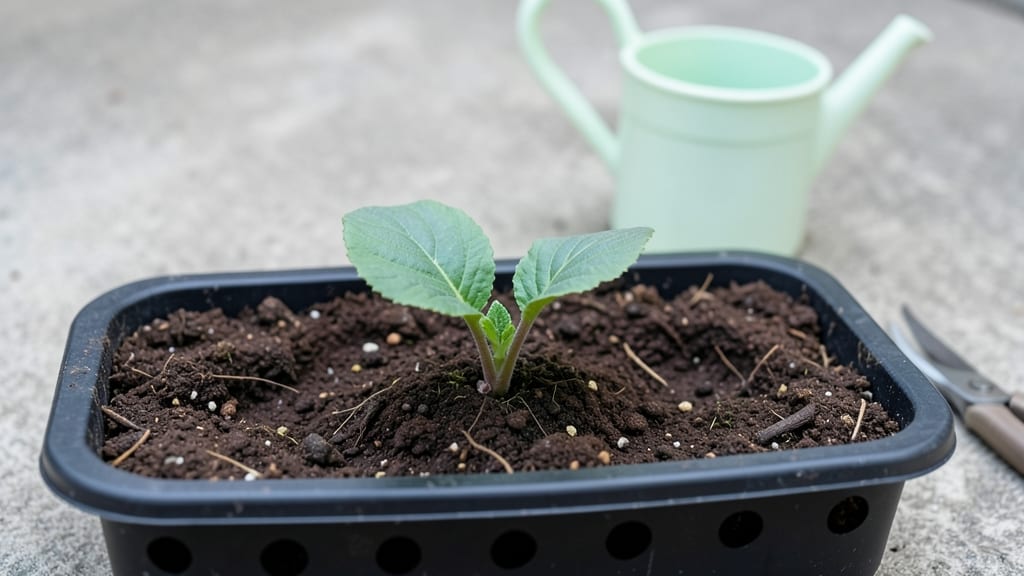
That first pair of tiny leaves means your seed finally broke through—and now it’s time to treat it like the delicate miracle it is. 🌱 The two-leaf seedling stage is where most gardeners either overwater and drown their sprouts or rush hardening and shock the roots.
I’ve lost count of how many seedlings I’ve killed here, but I’ve also learned the exact cold-moist prep that keeps 95% of mine thriving through transplant.
These seedlings aren’t just fragile—they’re sensitive to temperature swings and soil moisture. The key is keeping them in a cool, consistently damp environment (think 60–65°F) while avoiding soggy soil.
Too much water now, and you’ll smother the roots; too little, and they’ll dry out before they’re ready for the great outdoors. Most tomatoes, peppers, and herbs go through this stage, and if you nail it here, you’ll see true leaves in about 7–10 days.
What you’ll end up with is stocky, vibrant seedlings that handle transplanting like pros—no leggy stems or wilting. The secret isn’t just watering right; it’s about timing. Start hardening off when they’re still at this stage, and you’ll avoid the shock that turns them into sad, stunted plants.
By the time true leaves appear, they’ll be ready to take on the world.
Works for just about any seedling you’re growing, from delicate basil to tough-as-nails kale. The same principles apply whether you’re using trays or individual pots—just adjust the moisture and light to match their size. Let’s get those seedlings through this critical phase without losing another one.
Common Causes of Stunted Seedlings
Understanding why seedlings like your two-leaf stage plants stall or fail to thrive is the first step to preventing it. These issues often stem from environmental or biological factors that disrupt early growth.
Below, we break down the key culprits and why they happen—so you can address them before they derail your garden.
Seedlings need nutrient-rich, well-draining soil to establish strong roots. If the soil is compacted, waterlogged, or lacks essential nutrients, growth slows or stops entirely.
- Compacted Soil: Heavy or clay-based soils restrict root expansion, suffocating young roots. Without oxygen, roots can’t absorb water or nutrients efficiently. - Waterlogging: Overly moist soil cuts off oxygen, leading to anaerobic conditions that trigger root rot (Pythium or Phytophthora fungi).
Seedlings may sprout but fail to grow beyond the two-leaf stage. - Nutrient Deficiency: Young plants rely on nitrogen (N), phosphorus (P), and potassium (K). If soil lacks these, seedlings become stunted or yellow (chlorosis).
Actionable Fix: Amend soil with compost, perlite, or vermiculite to improve aeration and drainage. Conduct a soil test to check pH (ideal: 6.0–7.0) and add balanced fertilizer (e.g., 10-10-10) if needed.
Seedlings are extremely sensitive to temperature fluctuations. Too cold, and germination halts; too hot, and enzymes critical for growth shut down.
- Cold Soil: If soil temperature drops below 50°F (10°C), metabolic processes slow, delaying germination and stunting early growth.
Some seeds (like peas or lettuce) need consistent warmth to break dormancy. - Heat Stress: Temperatures above 90°F (32°C) can cause protein denaturation in seedlings, leading to weak stems and poor nutrient uptake. - Frost Damage: A sudden freeze can kill emerging seedlings or cause cold injury, where cells rupture and growth stops abruptly.
Actionable Fix: Use row covers, seedling mats, or bottom heat (e.g., heating cables) to maintain ideal soil temps (60–75°F / 15–24°C). Avoid planting until soil warms in spring.
Water is non-negotiable for seedling success, but too much or too little spells disaster.
- Underwatering: Dry soil triggers osmotic stress, where seedlings can’t absorb water, causing wilting and stunted growth. Cells lose turgor pressure, halting expansion. - Overwatering: Excess moisture drowns roots, leading to fungal infections (e.g., Fusarium) or bacterial soft rot.
Seedlings may sprout but fail to develop beyond the two leaves. - Uneven Watering: Drip irrigation or surface watering can create dry pockets, where roots struggle to access moisture uniformly.
Actionable Fix: Water consistently—keep soil moist but not soggy (like a wrung-out sponge). Use drip lines or misting for even distribution. Monitor with your finger: top 1–2 inches should stay damp.
Tiny invaders can devour seedlings overnight, leaving you with failed germination or weak starts.
- Seedling Predators:
- Cutworms chew stems at soil level, causing seedlings to topple.
- Aphids suck sap, weakening plants and transmitting viruses.
- Fungus Gnats lay eggs in moist soil; larvae feed on roots, stunting growth.
- Disease Agents:
- Damping-off (Rhizoctonia or Pythium fungi) causes seedlings to collapse at the soil line.
- Powdery Mildew coats leaves, blocking sunlight and reducing photosynthesis.
Actionable Fix:
- Prevent pests: Use row covers, diatomaceous earth, or neem oil.
- Prevent disease: Sterilize tools, avoid overhead watering, and space seedlings for airflow.
- Inspect daily: Remove affected seedlings immediately to stop spread.
Seedlings crave light—without it, they stretch (etiolation) or grow weak.
- Insufficient Light: Leggy, pale seedlings result from low light, causing poor chlorophyll production.
They may survive but stay stunted. - Overcrowding: Competition for light and nutrients forces seedlings to compete aggressively, leading to weak, spindly growth. - Shade from Other Plants: Nearby weeds or larger plants can block sunlight, reducing photosynthesis.
Actionable Fix:
- Thin seedlings to 2–3 inches apart for optimal light exposure.
- Use grow lights (12–16 hours/day) if natural light is limited.
- Rotate trays weekly to ensure even light exposure.
Not all seeds are created equal—some may be low-quality, old, or improperly stored.
- Old or Damaged Seeds: Seeds lose viability over time (typically 1–5 years, depending on type).
Old seeds may germinate poorly or produce weak seedlings. - Low-Germination Varieties: Some heirloom or rare seeds have lower germination rates due to genetic traits. - Improper Storage: Seeds exposed to heat, humidity, or light can degrade, reducing their ability to sprout.
Actionable Fix:
- Test seed viability by soaking a few in water—sinkers are viable.
- Buy fresh seeds (check expiration dates) from reputable suppliers.
- Store seeds in a cool, dry place (below 40°F / 4°C) in airtight containers.
Residual chemicals or high salinity can poison seedlings before they even stand a chance.
- Pesticide/Herbicide Residue: Leftover chemicals in soil (e.g., glyphosate) can inhibit root growth or cause deformities.
- High Salt Content: Over-fertilized or salty soil (from tap water) burns roots, leading to stunted growth or death.
- Acidic or Alkaline Soil: Extreme pH (below 5.5 or above 8.0) locks out nutrients like iron, manganese, or phosphorus, causing chlorosis.
Actionable Fix:
- Flush soil with distilled water if salinity is suspected.
- Test pH and amend with lime (to raise pH) or sulfur (to lower pH).
- Avoid chemical treatments near seedling areas; opt for organic alternatives.
Fixing Common Seedling Struggles
When your young plants hit a snag, quick action can save them from permanent damage. Below are practical solutions tailored to the most common issues affecting two-leaf seedlings—whether it’s pests, diseases, or environmental stress. Each fix includes prevention tips to keep your seedlings thriving long-term.
If your seedlings look like they’ve been through a buffet, pests are likely the culprits. Here’s how to tackle them:
🔥 Identify the Invader
First, inspect the damage:
- Aphids leave sticky residue (honeydew) and curled leaves.
- Fungus gnats cause wilting or yellowing, especially near soil.
- Cutworms create clean, jagged bites at the stem base.
🍳 Organic Sprays for Fast Relief
- Neem oil spray: Mix 1 tsp neem oil + 1 tsp mild soap in 1 quart of water.
Spray evenly on leaves (avoid oversaturation). - Insecticidal soap: Use a pre-mixed solution (like Safer’s Brand) and reapply every 3–5 days. - Diatomaceous earth (DE): Sprinkle a thin layer around the base (not on leaves) to deter crawling pests. Reapply after watering.
👨🍳 Preventative Barriers
- Row covers: Lightweight fabric over seedlings blocks flying pests (aphids, whiteflies).
- Beneficial nematodes: Apply Heterorhabditis bacteriophora to soil to combat fungus gnats (follow package rates).
- Copper tape: Wrap stems with copper tape to deter cutworms from chewing.
✨ Pro Tip: Rotate treatments to avoid resistance. If using chemical sprays, opt for pyrethrin-based options as a last resort.
If stems feel soft or black, root rot from overwatering is likely. Act fast:
🔪 Emergency Rescue Steps
- Remove the seedling gently from the soil.
- Trim away mushy roots with sterilized scissors (keep only firm, white roots).
- Repot in fresh, dry soil with perlite or sand (20%) for drainage.
- Hold off on watering for 3–5 days to let roots recover.
🏡 Long-Term Soil Fixes
- Aerate the mix: Add orchid bark or coco coir to improve airflow.
- Use self-watering pots with drainage holes to prevent soggy conditions.
- Bottom-water only: Place pots in a tray of water for 10–15 minutes, then let excess drain.
💡 Prevention Checklist:
- [ ] Water only when top inch of soil is dry.
- [ ] Avoid saucers under pots (or empty them after watering).
- [ ] Use terracotta pots (they wick away moisture faster than plastic).
Too much direct sun can scorch delicate seedlings. Here’s how to revive them:
🌿 Immediate Shade Relief
- Move seedlings to a shadier spot (e.g., under a sheer curtain or 50% shade cloth).
- If outdoors, provide afternoon shade (1–3 PM is critical for young plants).
- Mist leaves lightly with water to cool them down (avoid soaking).
🌱 Gradual Sun Acclimation
- Hardening off: Expose seedlings to 1–2 hours of morning sun/day, increasing by 1 hour every 2–3 days.
- Use reflective mulch: Lay white gravel or aluminum foil near seedlings to bounce light away.
🎯 Pro Tip: Morning sun is gentler than afternoon heat. If possible, place seedlings in east-facing windows or containers.
Cold stress slows growth and can cause blackened tips or wilting. Revive them with these steps:
🔥 Warmth and Humidity Boost
- Move indoors to a warm spot (65–75°F is ideal).
- Use a heat mat (set to low) under trays if roots feel cold.
- Cover with a plastic dome (or plastic wrap) to retain humidity for 24–48 hours.
🌡️ Prevent Future Chills
- Avoid drafts: Keep seedlings away from doors, AC vents, or windows in cold weather.
- Use a greenhouse tent: A clear plastic tent over seedlings traps heat.
- Mulch soil: Add a thin layer of straw to insulate roots.
💡 Quick Fix: If leaves look frosted, trim damaged parts with clean scissors and monitor for new growth.
If a seedling is beyond saving (e.g., severe rot, no new growth after 1 week of care), remove it to prevent spreading disease or pests to healthy plants. Sterilize tools with rubbing alcohol between uses.
Remember: Most seedling issues are preventable with the right setup. Consistency is key—check soil moisture, inspect leaves daily, and adjust conditions as your plants grow. With these fixes, your two-leaf seedlings will thrive into strong, healthy plants! 🌱💪
Frequently asked questions
How do I know if my seedling has reached the two-leaf stage?
The two-leaf stage is when your seedling develops its first pair of true leaves (not the initial seed leaves or cotyledons). These true leaves are usually smaller, thinner, and more complex in shape than the first pair. For most plants like tomatoes or peppers, this stage occurs about 1-2 weeks after germination.
Can I transplant seedlings at the two-leaf stage?
Transplanting at this stage is possible but requires extra care. Seedlings this young are delicate, so use small pots or individual containers with well-draining soil. Water lightly before and after transplanting, and avoid exposing them to direct sunlight or cold drafts for at least 3-5 days to reduce stress.
Why are my seedlings only producing two leaves and not growing?
Stunted growth at this stage is often caused by overwatering, poor light, or nutrient deficiencies. Check soil moisture (it should be damp but not soggy) and ensure they receive 12-16 hours of light daily. If leaves look yellow, they may need a gentle fertilizer with balanced NPK ratios (like 5-5-5).
What’s the difference between cotyledons and true leaves?
Cotyledons are the first leaves that appear from the seed—simple in shape and often thicker. True leaves are the second set, usually more detailed (veined, lobed, or serrated) and indicate the plant’s mature leaf structure. For example, tomato cotyledons are smooth, while true leaves have jagged edges.
How long until true leaves appear after the two-leaf stage?
True leaves typically emerge within 7-10 days after the two-leaf stage, depending on the plant type and growing conditions. Warmth, proper light, and consistent moisture speed up this transition. Monitor closely—true leaves signal the seedling is ready for more robust care.