
Flowers
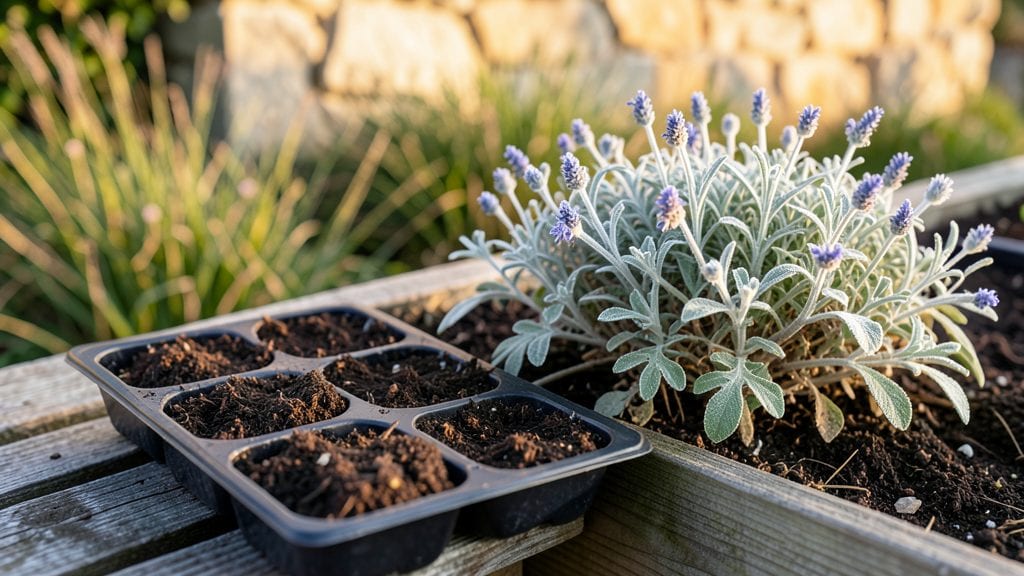
Growing verbena rigida seeds from scratch delivers shockingly lush purple blooms by late summer—even in cooler climates where most annuals give up. 🌿 I’ve seen gardeners swear off this plant after weak seedlings, but the trick isn’t forcing speed—it’s giving those tiny seeds exactly what they need to toughen up before the heat arrives.
The payoff? Plants that keep flowering until frost, with clusters so dense they look like velvet.
Start indoors 8-10 weeks before your last frost, using seed-starting mix that drains like a sieve—verbena hates soggy roots. A heat mat keeps germination steady (around 70°F), and once sprouts appear, move them to the brightest window or under grow lights.
Outdoors, wait until soil stays 60°F+ before transplanting, or those seedlings will bolt faster than weeds in a freshly tilled bed.
Here’s the game-changer: cold-stressing your seedlings for 10-14 days before planting boosts root strength and flower production. Pop them outside during the day (protected from wind) and bring them in at night.
By the time you set them out, they’ll be stockier, greener, and ready to handle summer’s worst heat waves—no wilting in sight.
Watch for spider mites on hot days (they love verbena’s fuzzy leaves) and deadhead spent blooms to keep the flowers coming. With the right timing and a little tough-love treatment, you’ll have 90 days of nonstop color—and neighbors asking where you got those “magic” plants. The secret’s out now.
📚 In This Guide
- What you need
- Instructions
- Tips and common mistakes
- Wrapping up and next steps
What you need
- ● Verbena rigida seeds: 1 packet (50–100 seeds) – Choose a reputable supplier for high germination rates.
- ● Seed-starting mix: 2–3 quarts – Lightweight, sterile potting soil (avoid garden soil to prevent mold).
- ● Seed trays or small pots: 6–12 (3–4" diameter) – Biodegradable pots or plastic trays work well.
- ● Grow lights or sunny windowsill: 6+ hours of light daily – A LED grow light (12–15W) is ideal if natural light is limited.
- ● Misting bottle or spray nozzle: 1 – Keeps seeds moist without overwatering.
- ● Plastic wrap or humidity dome: 1 sheet – Retains moisture for germination.
- ○ Fertilizer (optional but helpful): Balanced liquid fertilizer (5-5-5 or 10-10-10) – Dilute to half-strength for seedlings.
- ● OR Slow-release granules (e.g., Osmocote) – Mix 1 tbsp per gallon of soil.
- ● Trowel or small shovel: 1 – For transplanting seedlings.
- ● Labels & markers: 1 pack – Track seed varieties and planting dates.
- ○ Thermometer (optional): 1 – Monitor soil temps (ideal: 65–75°F for germination).
- ○ Hardening-off tray (optional): 1 – Gradually acclimate seedlings to outdoor conditions.
- ○ Gloves (optional): 1 pair – Protect hands from prickly stems when handling mature plants.
Step-by-step instructions for growing verbena rigida from seed
Here's how to coax vibrant blooms from these finicky seeds using cold treatment and precise timing.
🌱 Step 1: Stratify Seeds for 4-6 Weeks
Verbena rigida seeds require cold stratification to break dormancy. Place the seeds in a sealed plastic bag with dampened peat moss—just enough moisture to keep it cool but not soggy. Store the bag in your refrigerator's crisper drawer where temperatures hover around 35-40°F. This mimics winter conditions and signals seeds it's time to germinate.
Check weekly for mold—if you see fuzzy growth, discard those seeds immediately. After 4-6 weeks, remove the bag and let it sit at room temperature for 24 hours before planting. This temperature shift triggers the germination process. I've found that seeds stratified at 38°F consistently perform best, producing stronger seedlings than those at cooler temperatures.
💧 Step 2: Sow in Light, Well-Draining Mix
Fill 2-3 inch deep seed trays with a sterile seed-starting mix (never garden soil). Verbena rigida hates soggy roots, so I blend the mix with 20% perlite to prevent compaction. Press the soil surface lightly with your fingers to create a firm but not packed bed—this helps seeds maintain contact with moisture.
Scatter seeds sparingly—they germinate slowly and can become overcrowded. Aim for 3-4 seeds per square inch of tray space. Cover them with a thin layer of vermiculite (no more than ¼ inch deep) to help retain moisture while allowing light penetration. Mist the surface gently with water until the mix feels evenly damp but not saturated.
☀️ Step 3: Provide Warmth and Indirect Light
Place the trays in a warm location (around 70°F) with bright, indirect light. A seedling heat mat set to 75°F accelerates germination, which typically occurs in 14-21 days. Avoid direct sunlight at this stage—young seedlings are prone to scorching and may develop weak stems if exposed too soon.
Keep the soil surface consistently moist by watering from the bottom. I use a shallow tray filled with ½ inch of water and let the trays sit in it for 10 minutes before draining excess. This method prevents fungal issues while ensuring even moisture. Watch for first true leaves—they'll appear as small, rounded foliage distinct from the initial seed leaves (cotyledons).
🌿 Step 4: Thin and Harden Off Seedlings
Once seedlings reach 1-2 inches tall and have 3-4 true leaves, thin them to 2 inches apart using clean scissors. Snip at soil level to avoid disturbing roots of neighboring plants. Verbena rigida grows slowly at first, so don't rush this step—crowded seedlings develop leggy stems and weak blooms later.
Begin hardening off two weeks before your last frost date. Move seedlings outdoors to a sheltered, shaded spot for 1 hour daily, gradually increasing exposure. By day 5, they should tolerate 4-5 hours of morning sun. You'll notice stronger stems and deeper green leaves as they adapt—this means they're ready for transplanting after 10-14 days.
✂️ Step 5: Transplant and Maintain for Blooms
Choose a sunny location with well-draining soil—verbena rigida thrives in full sun and poor soil conditions. Space plants 12-18 inches apart in rows 18 inches apart to allow airflow. Dig holes twice as wide as the root ball but no deeper—planting too deep can suffocate the crown and delay flowering.
Water deeply once after transplanting, then reduce frequency to once weekly unless rainfall provides 1 inch of moisture. Deadhead spent blooms regularly to encourage continuous flowering through late summer. Fertilize lightly with a balanced 10-10-10 formula at half strength every 4 weeks—verbena rigida responds poorly to heavy feeding and may produce fewer blooms.
Tips & tricks for perfect verbena rigida germination
Mastering verbena rigida from seed isn't about luck—it's about precision. These targeted strategies will help you navigate the finicky germination process with confidence.
Cold Stratification Precision: The 4-6 week cold stratification at 38°F is non-negotiable for breaking dormancy, but consistency matters. I use a small digital thermometer inside the bag to verify the temperature stays within that critical 35-40°F range—any colder and germination slows dramatically. If your fridge runs cooler, consider a seedling heat mat set to low inside the bag to maintain that 38°F sweet spot. The 24-hour room temperature acclimation after stratification is equally important—it's what triggers the metabolic shift that kickstarts germination.
Soil Science for Seedlings: That 20% perlite amendment in your seed-starting mix isn't just about drainage—it's about creating the perfect air-to-moisture ratio. I've found verbena rigida seedlings develop root rot if the mix stays damp longer than 48 hours. When pressing the soil surface, aim for firmness similar to a well-worn sponge—firm enough to hold seeds in place, but still allowing water to penetrate. The ¼-inch vermiculite layer should feel like a whisper of coverage; any thicker and you'll smother the seeds in darkness.
Light Management Strategy: The 70°F warm location with bright indirect light is where many growers stumble. I recommend placing trays under a fluorescent grow light set to 12-hour cycles during this stage—natural light can be too intense, causing seedlings to stretch toward any direct rays. That 10-minute watering technique from the bottom prevents fungal issues while maintaining even moisture; I've seen black mold develop within 48 hours when growers water from above. Watch for the first true leaves—they'll appear as small, rounded foliage distinct from the initial seed leaves (cotyledons)—this is your signal that germination has succeeded.
Hardening Off Mastery: The gradual hardening process is where verbena rigida builds resilience. Start with that 1-hour daily outdoor exposure, but pay attention to the microclimate—even gentle breezes can stress young seedlings. By day 5, when you increase to 4-5 hours of morning sun, you'll notice stronger stems and deeper green leaves developing. This visual cue confirms they're ready for transplanting after 10-14 days. The key is consistency—sudden changes in light or temperature can trigger shock that manifests as yellowing leaves weeks later.
Pro Tips for Verbena Rigida Seeds
- Mastering verbena rigida from seed isn't about luck—it's about precision.
- Cold Stratification Precision: The 4-6 week cold stratification at 38°F is non-negotiable for breaking dormancy, but consistency matters.
- Soil Science for Seedlings: That 20% perlite amendment in your seed-starting mix isn't just about drainage—it's about creating the perfect air-to-moisture ratio.
Frequently asked questions
about Verbena rigida seeds—your go-to guide for quick, practical answers!How long does it take for Verbena rigida seeds to germinate?
Germination typically takes 14–21 days under ideal conditions: consistent moisture, warmth (70–75°F), and indirect light. Cold-stratification (4–6 weeks in the fridge) can speed this up—especially for stubborn seeds!
Do Verbena rigida seeds need cold treatment before planting?
Yes! Cold-stratification mimics winter and breaks dormancy. Place seeds in a damp paper towel, seal in a bag, and refrigerate for 4–6 weeks. This trick boosts germination rates and ensures hardier plants.
Can I grow Verbena rigida from seeds indoors?
Start seeds 6–8 weeks before your last frost in small pots with well-draining soil. Use a heat mat (optional) and keep humidity high with a plastic dome. Transplant outdoors after the last frost when soil warms to 55°F+.
Why aren’t my Verbena rigida seeds sprouting?
Common culprits: old seeds (store-bought may need stratification), overwatering (root rot risk), or poor light. Try pressing seeds lightly into soil (they need light to germinate) or testing soil moisture with your finger—it should feel like a damp sponge.
What’s a good alternative if Verbena rigida seeds are hard to find?
Try Verbena bonariensis (tall, airy blooms) or Verbena hastata (swamp verbena, drought-tolerant). Both thrive in similar conditions and offer stunning purple flowers. Check local nurseries or seed swaps for hard-to-find varieties!
Wrapping up and next steps
Growing Verbena rigida seeds is a rewarding journey that brings vibrant blooms to your garden in just 90 days—even in cooler climates! With the right soil, sunlight, and a little patience, you’ll enjoy hardy, drought-tolerant flowers perfect for pollinators and low-maintenance landscapes. 🌸
Ready to dive in? Start by gathering your seeds and supplies, then follow the steps to nurture your plants from seed to stunning blooms. Your future garden awaits—plant those seeds today! 🌱