
Flowers
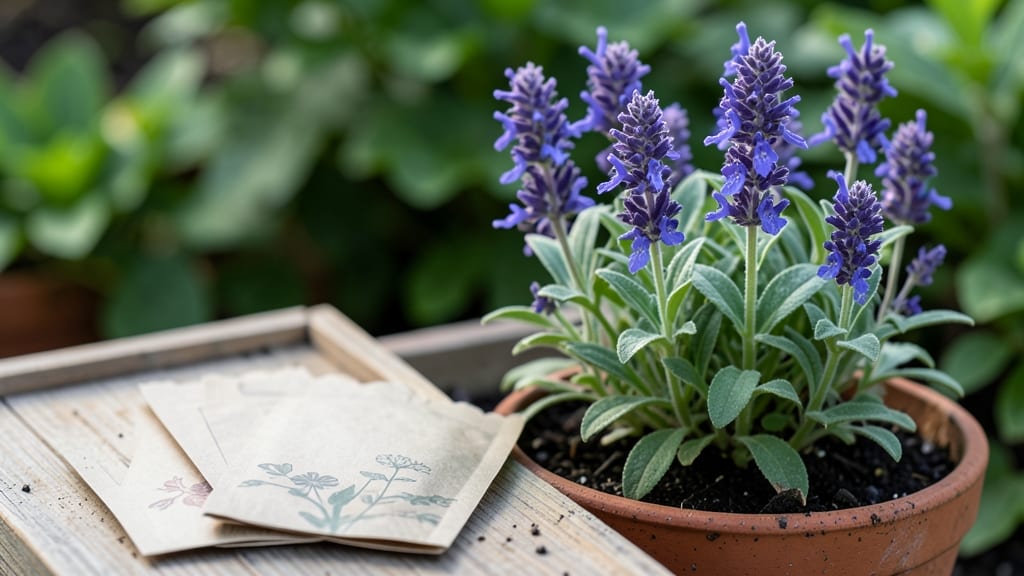
Cold stratification turns those tiny Veronica flower seeds into blooming showstoppers next spring—no waiting for summer surprises. I learned the hard way that skipping this step means weeks of patience instead of instant growth.
The secret’s in mimicking winter’s chill, which breaks dormancy and gets seeds ready to sprout like clockwork.
You’ll need just three things: a damp paper towel, a sealed plastic bag, and your fridge’s crisper drawer. Most gardeners overlook this step, but it’s what turns flimsy seeds into sturdy plants that burst into violet-blue blooms by early summer.
The process takes about 4-6 weeks, but it’s worth every day to skip the guesswork.
Once stratified, you’ll see roots peeking within days of planting. The flowers thrive in full sun and well-draining soil, and they’re tough enough to handle light drought once established. No more weak stems or sparse blooms—just neighborhood-stealing color that lasts for weeks.
Perfect for beginners who want reliable results and seasoned gardeners tired of hit-or-miss germination. Let’s get those seeds ready for their big debut!
📚 In This Guide
- What you need
- Instructions
- Tips and common mistakes
- Wrapping up and next steps
What you need
- ● Veronica flower seeds: High-quality, fresh seeds (check the packet for variety—some prefer full sun, others partial shade).
- ● Cold stratification setup: A ziplock bag or small container (with ventilation holes if using a sealed bag).
- ● Moistened paper towels or peat moss (enough to lightly cover seeds).
- ● Refrigerator space: A fridge set to 35–40°F (2–4°C) for 4–8 weeks.
- ● Planting pots or trays: Small 2–3 inch pots or a seed tray with drainage holes (fill with seed-starting mix).
- ● Grow lights or sunny windowsill: For seedlings after stratification (12–16 hours of light/day).
- ● Spray bottle: For gentle moisture control during stratification.
- ● Label markers: To track seed varieties and planting dates.
- ● Humidity dome: Keeps seedlings cozy until germination.
- ● Thermometer: Monitors fridge temps if you’re extra precise.
Step-by-Step cold stratification for Veronica flower seeds
Here’s how to break dormancy and get vibrant blooms in record time.
Harvest and Prepare Veronica Seeds
Collect fully mature Veronica seeds when the seed pods turn brown and begin splitting open—this usually happens in late summer or early fall. Gently crush the dried pods to release the tiny, winged seeds. I like to spread them on a clean sheet of paper and let them air-dry for 24 hours in a warm, dry place. This prevents mold from forming during stratification.
Once dry, store the seeds in a labeled paper envelope or small glass jar. Keep them in a cool, dark place until you’re ready to stratify. Veronica seeds are light-sensitive, so avoid exposing them to sunlight before stratification—they’ll lose viability faster.
Moisten and Stratify in a Controlled Environment
Place 2 tablespoons of moistened peat moss or coconut coir in a resealable plastic bag. Sprinkle the Veronica seeds evenly over the moist medium—you’ll only need about ¼ teaspoon of seeds for this process. Seal the bag tightly, leaving minimal air inside to maintain humidity. I use a small zip-top bag and press out excess air before sealing.
Store the bag in your refrigerator’s vegetable crisper drawer, where temperatures stay consistently between 35-40°F. This mimics the natural winter chilling Veronica seeds require to break dormancy. Check the bag after 4 weeks—the seeds should look slightly plumped and darker in color. If the medium feels dry, lightly mist it with water and reseal.
Plant Stratified Seeds in Early Spring
Once the last frost date has passed and soil temperatures reach at least 55°F, it’s time to sow. Fill small seedling trays with sterile seed-starting mix and press the surface lightly to firm it. Scatter the stratified Veronica seeds ¼ inch deep—they’re tiny, so I use a fine-mesh strainer to distribute them evenly. Cover lightly with a thin layer of additional mix.
Water gently with a spray bottle until the soil is evenly moist but not soggy. Place the trays in a bright, indirect light area—Veronica seeds need warmth (65-70°F) to germinate. Keep the soil consistently moist by misting daily. Germination typically takes 14-21 days, but be patient if your home runs cooler.
Transplant Seedlings to the Garden
When seedlings develop 2-3 sets of true leaves (not the initial cotyledons), they’re ready for transplanting. Harden them off by placing the trays outside in a sheltered spot for 1 hour daily, gradually increasing exposure over 7-10 days. Veronica thrives in full sun to partial shade, so choose a location with at least 4-6 hours of sunlight daily.
Dig small holes 6-8 inches apart—Veronica grows in low mounds, so spacing prevents overcrowding. Gently remove seedlings from their trays, keeping the root ball intact, and place them in the holes. Water deeply at the base to settle the soil. Mulch with 1 inch of organic mulch to retain moisture and suppress weeds. You’ll see blooms in as little as 6-8 weeks after transplanting.
Tips & tricks for Veronica flower seed stratification
These proven techniques will help you maximize germination rates and get those vibrant Veronica blooms in record time—without the guesswork.
Timing is Everything: The 24-hour drying period in Step 1 isn't just about preventing mold—it's also about ensuring the seed coats are uniformly dry before stratification. I've found that using a small fan on low for the final 30 minutes of this drying period helps prevent any lingering moisture that could trigger premature germination. This step is particularly important for Veronica seeds, which are sensitive to uneven moisture levels during stratification.
Medium Selection Matters: While peat moss is traditional, I've had excellent results using coconut coir for the stratification medium in Step 2. It holds moisture better and provides slightly better aeration than peat. If you choose coconut coir, make sure it's moistened to the consistency of a wrung-out sponge—too wet and you risk anaerobic conditions, too dry and the seeds won't break dormancy properly. The key is maintaining that consistent 35-40°F temperature while keeping the medium just damp enough to prevent desiccation.
Visual Cues for Success: In Step 2, when checking your seeds after 4 weeks, look for two specific visual indicators: first, the seeds should appear slightly plumped compared to their original size, and second, they should have developed a darker, almost bronze hue. These changes indicate successful cold treatment. If you're using clear bags, you might even notice tiny root hairs beginning to emerge—this is a great sign! Remember, the refrigerator's vegetable crisper maintains the ideal 35-40°F range without temperature fluctuations that could stress the seeds.
Germination Environment: For Step 3, I recommend using a seedling heat mat set to maintain 65-70°F under your trays. This consistent warmth is crucial for Veronica seeds, which often struggle to germinate in cooler environments. Place your trays on the heat mat and cover them with clear plastic domes to create a mini greenhouse effect. This combination of warmth and humidity typically results in germination within 14 days, though some varieties may take the full 21 days—patience is key with Veronica seeds.
Pro Tips for Veronica Flower Seeds
- These proven techniques will help you maximize germination rates and get those vibrant Veronica blooms in record time—without the guesswork.
- Timing is Everything: The 24-hour drying period in Step 1 isn't just about preventing mold—it's also about ensuring the seed coats are uniformly dry before stratification.
- Medium Selection Matters: While peat moss is traditional, I've had excellent results using coconut coir for the stratification medium in Step 2.
Frequently asked questions
Got questions about growing veronica flower seeds? You’re not alone! Here are some of the most common queries—plus straightforward answers to help you succeed.
Do veronica flower seeds need cold stratification?
Yes! Veronica seeds benefit from cold stratification (40–50°F for 2–4 weeks) to break dormancy. This mimics winter conditions and boosts germination rates. Skip this step, and you might wait months—or never—see blooms. Check our guide for exact methods!
How long does it take for veronica seeds to germinate?
With proper cold stratification, germination typically takes 10–21 days in warm soil (70°F+). If seeds sit longer than 4 weeks without sprouting, they may need a fresh stratification cycle. Patience is key—some varieties are slower than others!
Can I grow veronica flowers from seeds indoors?
Start seeds indoors 8–10 weeks before your last frost using seed-starting trays. Keep soil moist (not soggy) and provide bright light (grow lights work best). Transplant seedlings outdoors after hardening off—just avoid direct sun until they’re established.
What if my veronica seeds don’t sprout?
Try these troubleshooting steps:
- Check moisture: Seeds need consistent dampness (not waterlogged). Use a spray bottle to avoid disturbing them.
- Verify stratification: Ensure seeds spent enough time in the fridge (or outdoors in winter). Some varieties need longer chilling.
- Test viability: Soak a few seeds in water overnight—if they swell, they’re likely viable. If not, try fresh seeds.
Are there easy alternatives to veronica for beginners?
If veronica seems tricky, try these low-maintenance annuals:
- Zinnias – Fast-growing, colorful, and thrive in heat.
- Marigolds – Hardy, pest-repelling, and great for pollinators.
- Cosmos – Drought-tolerant and self-seeding (no stratification needed!).
Wrapping up and next steps
Growing veronica flower seeds with cold stratification is your ticket to vibrant blooms next spring! By mimicking winter’s chill, you’ll give your seeds the best head start—saving time and ensuring healthier plants. Whether you’re a gardening pro or just starting, this method is simple and rewarding.
Ready to turn your garden into a veronica paradise? Grab your seeds, follow the steps, and watch your efforts bloom into stunning color. Happy gardening! 🌸